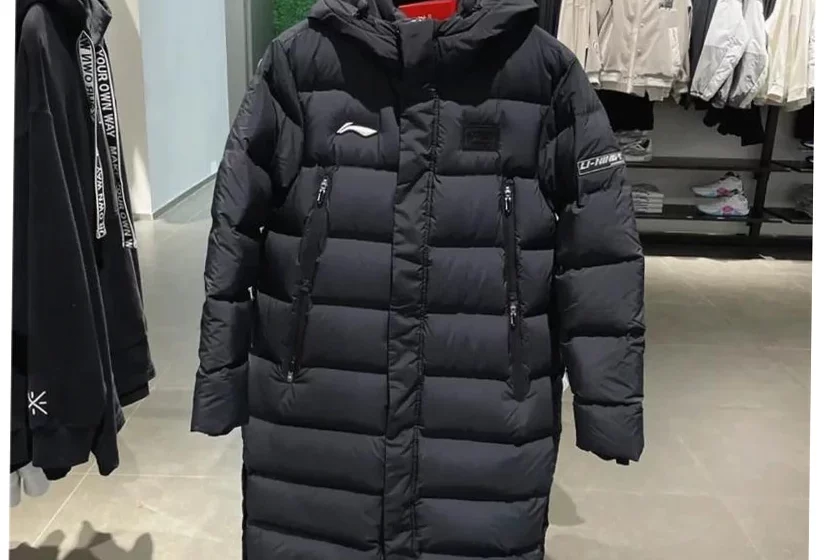

I used to think the coat was the whole answer, but what to wear under a coat to stay warm matters more than most people admit: start with a thin moisture-wicking base, add a wool or fleece mid layer, then let your coat trap dead air instead of squeezing it flat. If you want the complete how to layer clothes for winter framework, this under-coat stack is where it begins.
Table of Content
What Goes Under a Coat First?
Start With a Moisture-Wicking Base Layer
Your first layer is not the thickest thing you own; it is the layer that touches skin and manages moisture. Cotton feels soft, but once you sweat or step into damp cold, it holds water against you and pulls heat away. A thin merino, silk, or technical synthetic base keeps vapor moving so the next layers can trap warmth instead of becoming clammy.
Add Thin Insulation Before Thick Sweaters
A thin grid fleece or lightweight down vest often beats a chunky sweater because warmth without bulk depends on trapped air, not fabric thickness. The mid layer should sit loosely enough to create a still pocket around your torso, yet close enough to stay under the coat without bunching. When you add a thick sweater first, you may compress the base and lose the air gap that actually insulates.
Why Dead Air Beats Tight Layers
Dead air is the invisible insulation in every good winter system. If your coat, sweater, and base layer all squeeze together, there is no room for warm air to linger. That is why an oversized sweatshirt can feel warmer than three tight tops. Leave a little space between layers, especially across the chest and upper back, and your coat will do more work with less weight.
| Layer | Main Job | Best Fabrics | Fit Note |
|---|---|---|---|
| Base | Move moisture away from skin | Merino, silk, synthetic | Close but not compressive |
| Mid | Trap dead air and add warmth | Wool, fleece, cashmere | Loose enough to breathe |
| Insulation | Boost warmth in extreme cold | Down, synthetic fill, grid fleece | Fits under coat without squeezing |
| Shell | Block wind, rain, and snow | Waxed cotton, hardshell, wool coat | Roomy enough for layers |
Which Mid Layers Keep You Warmest?
Wool, Fleece, or Down Under a Coat?
Merino wool regulates temperature and resists odor, which makes it excellent for travel and office days. Fleece dries quickly and adds bulk-free warmth, but it can feel too warm indoors. Down is the lightest insulator for its thickness, yet it loses effectiveness when wet and needs a windproof shell. A wool sweater is usually the most versatile mid layer under a dress coat, while fleece works best under a casual parka.
How Sleeves and Necklines Seal Heat
Heat escapes through the neck, wrists, and waist. A turtleneck or a scarf tucked inside the coat collar blocks that loss, and long sleeves that cover the wrist bones stop the gap between glove and coat. If your coat has a loose collar, add a thin neck gaiter rather than a bulky scarf that pushes the coat away from your body. Small seals often change comfort more than adding another heavy layer.
When to Add a Vest Instead of a Sweater
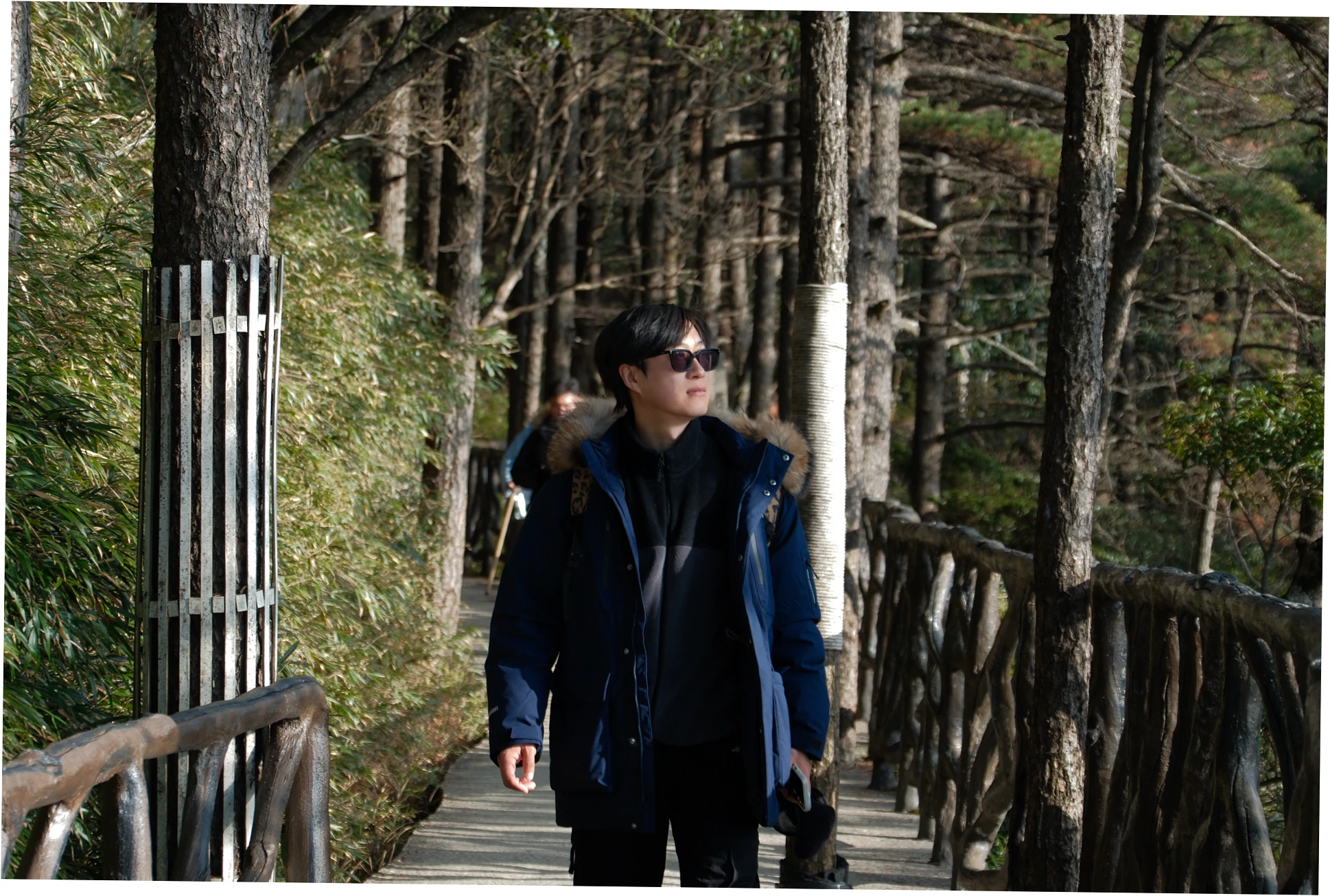
A vest warms your core without adding sleeve bulk, so it fits under tailored coats and car seats. It is ideal for people who need warmth while driving, because full sleeves can feel restrictive. If your arms run cold, choose a vest with a high collar and add silk or fleece sleeves underneath. This is a practical answer for what to wear under a coat when you want warmth without looking like a snowman.
| Material | Warmth for Weight | Moisture Behavior | Best Use | Watch Out For |
|---|---|---|---|---|
| Merino wool | High | Regulates vapor, resists odor | Office, travel, long wear | Higher cost, slower drying |
| Fleece | Medium to high | Dries fast, wicks well | Active walks, casual wear | Can feel clammy if not breathable |
| Down | Very high | Loses loft when wet | Dry cold, stationary wear | Needs windproof shell, bulky |
| Cotton | Low when damp | Absorbs and holds sweat | Short dry trips only | Chills when activity stops |
Best Layers for Different Winter Situations
Commuting and Office Wear
For a cold commute, start with a silk or synthetic tank, add a long-sleeve merino base, then a thin cashmere or wool sweater. If you wait outdoors, add a packable down vest. The same logic applies below the waist; pants for heavy winter jackets need room for a thin thermal base without cutting circulation. In the office, remove the vest first, then the sweater, so you never overheat at your desk.
Travel, Formal Events, and Walking
Formal events are tricky because you want warmth without ruining the silhouette. Choose a silk base layer, a fine-gauge merino turtleneck, and a tailored wool blazer under a long coat. For travel, merino leggings under trousers and a cashmere scarf pack small and adapt to airplanes, trains, and cold stations. Walking outdoors for long periods calls for fleece, wool socks, and a hat; your coat cannot warm feet it never covers.
Active vs Stationary Wear
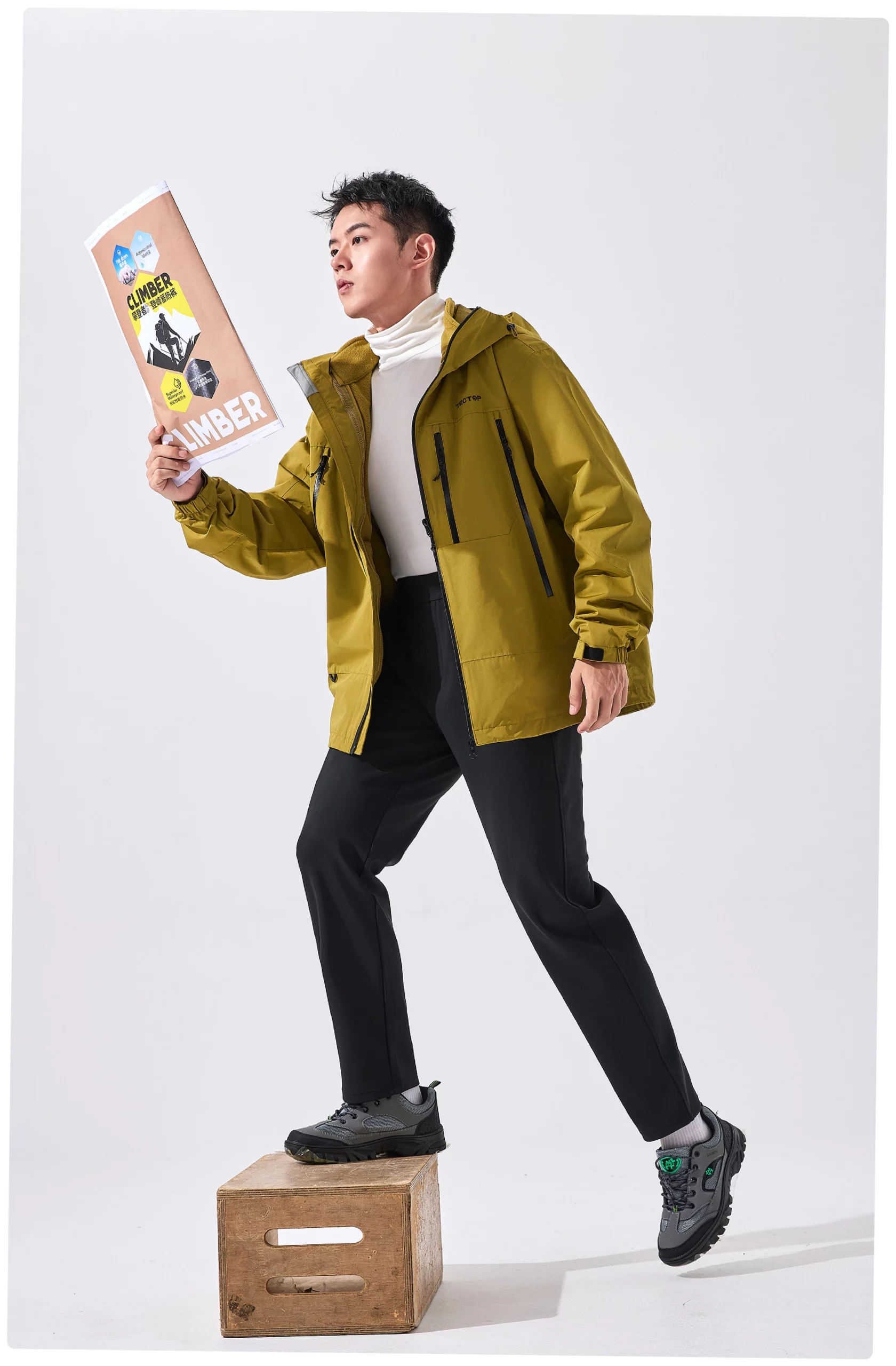
When you move, your body produces heat, so you need less insulation and more moisture management. A synthetic base plus a grid fleece under a shell often beats down, which can trap sweat during exertion. When you stop, add the down jacket immediately. This stop-start pattern is why experienced winter walkers carry a packable vest or puffy layer instead of wearing one fixed outfit all day.
| Common Claim | Standard Advice | Real-World Feedback | Better Move |
|---|---|---|---|
| Tight layers trap more heat | Buy fitted base layers | Tight stacks flatten dead air and feel colder | Keep base fitted, mid layer loose |
| More socks are warmer | Layer multiple socks | Three tight socks cut circulation and cause cold feet | One thin liner plus one roomy wool sock |
| Cotton is fine if thick | Wear a heavy cotton hoodie | Cotton holds sweat and chills you when you stop | Use wool or fleece as the mid layer |
| The coat covers everything | Focus on the jacket rating | Legs, neck, wrists, and feet lose major heat | Add thermal bottoms, gaiter, and longer coat |
What Mistakes Make a Coat Feel Cold?
Too Tight, Too Cotton, Too Many Socks
Tight layers are the most common error. If your base layer leaves marks or your sweater pulls across the chest, you have squeezed out the air that insulates. Cotton is another problem: it absorbs sweat and holds it against your skin, so you feel cold as soon as you slow down. More socks are not better either; cramped feet lose circulation and turn icy, especially in tight boots.
Gaps at Wrists, Waist, and Ankles
Cold air finds every opening. A coat that gaps at the waist lets warm air escape with each step, while short sleeves create a freezing ring at the wrist. Tuck base layers into waistbands, choose long cuffs, and wear high socks or gaiters over the ankle. A longer coat that covers the seat and thighs can make a bigger difference than an extra sweater, especially in wind.
Overheating and Sweat Risks
Overdressing is a real winter risk. Sweat saturates your base layer, and once you stop moving, that moisture chills you quickly. If you feel damp between your shoulder blades, remove a mid layer before you start shivering. People with medical conditions, poor circulation, or low cold tolerance should adjust more gradually and consult a clinician about unusual pain, numbness, or color changes in fingers and toes.
| Scenario | Base Layer | Mid Layer | Extras |
|---|---|---|---|
| Short commute | Short-sleeve synthetic or silk | Merino sweater | Scarf and thin gloves |
| Long outdoor wait | Long merino base | Fleece plus down vest | Hat, neck gaiter, thermal leggings |
| Formal event | Silk thermal top | Fine merino turtleneck | Long wool coat, leather gloves |
| Active winter walk | Synthetic wicking base | Grid fleece | Packable puffy for rest stops |
| Cold office | Camisole plus thin long sleeve | Cardigan or wool blazer | Shawl, warm socks, slippers |
Making Your Coat Work in Real Weather
A Simple 20-Minute Cold Test
Before trusting a new combination, test it outdoors for 20 minutes. Stand still for five minutes, walk briskly for ten, then stand still again for five. You should feel warm but not sweaty; if your back is damp, drop the mid layer. If your arms or thighs feel cold, add a vest or thermal bottoms rather than a thicker sweater. This test reveals whether your layers manage moisture and dead air.
Adjusting Layers Through the Day
Winter comfort changes hour by hour. On a cold morning, wear a base, mid, and vest; by afternoon, remove the vest and open the coat zipper. Keep a thin scarf or neck gaiter in your bag because neck temperature affects how cold you feel overall. The goal is to make small adjustments before you sweat or shiver, not to endure discomfort until you get home.
Building a Reliable Under-Coat Kit
A practical kit includes two base layers, one wool sweater, one fleece, one packable vest, thin gloves, a neck gaiter, and warm socks. Choose pieces that fit under your coat without bunching, and check the brand’s size chart or customer support before buying if you are between sizes. Return policies matter because the right fit is part of the insulation. With this kit, what to wear under a coat becomes a quick decision, not a daily guess.
FAQ About what to wear under a coat to stay warm
Is a hoodie good under a winter coat?
A hoodie can work as a mid layer if it is not cotton-heavy and not too tight. Fleece or wool-blend hoodies trap air well, but a thick cotton hoodie can absorb sweat and feel cold when you stop moving. If your coat is already snug, a thin merino sweater or grid fleece is usually a better choice.
Wool vs fleece under a coat: which is warmer?
Wool and fleece warm differently. Wool handles moisture and odor better, so it is ideal for long wear and office settings. Fleece is lighter, dries faster, and often costs less, but it can feel clammy during hard exercise. For dry cold and low activity, wool wins; for active winter sports, fleece or a synthetic grid layer is often more practical.
Can wearing too many layers make you colder?
Yes. Too many tight layers compress dead air, restrict circulation, and trap sweat. When that moisture cools, you feel colder even though you are wearing more fabric. The fix is to use thin layers with a little space between them, then remove one layer before you begin sweating heavily. More is not automatically warmer.
What should I wear under a coat for a formal event?
Start with silk or thin synthetic thermal underwear, add a fine-gauge merino turtleneck, and choose a tailored blazer or dress with enough room for the base layers. A long wool coat, thin leather gloves, and a cashmere scarf add warmth without bulk. Avoid chunky knits under a fitted formal coat because they distort the line and reduce trapped air.
Do I need thermal pants under jeans in winter?
For short walks in mild cold, jeans may be enough. For long waits, wind, or temperatures below freezing, a thin thermal legging under jeans makes a noticeable difference. Choose a smooth, low-bulk fabric so your jeans do not feel tight. If your thighs sting or your legs ache, add the thermal bottom before adding another sweater.
How do I stay warm under a coat without sweating?
Use a moisture-wicking base, a breathable mid layer, and a coat with vents or an adjustable zipper. Start slightly cool rather than warm, because you will heat up as you move. Open the coat or remove a vest before sweat builds. If you finish a walk with a damp back, your next outfit should have less insulation and better breathability.
Are cotton t-shirts bad under winter coats?
Cotton is not poisonous, but it is a poor base layer for cold, active days. It absorbs moisture and dries slowly, so it can chill you when you stop moving. A cotton t-shirt under a sweater may be fine for a short, dry commute. For longer exposure, choose merino, silk, or a technical synthetic blend instead.

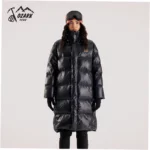
[…] logic barely changes for layers under a winter coat, since the coat itself now blocks wind and precipitation. You can drop the extra shell and let a […]