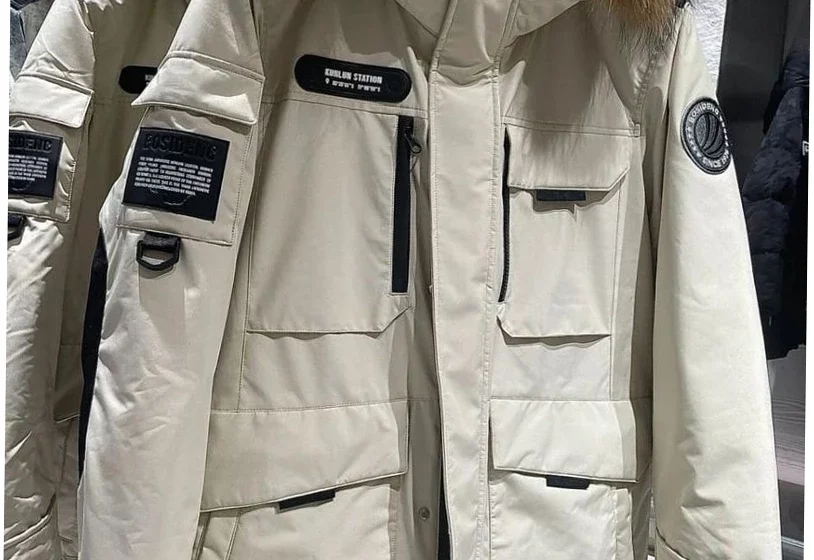

I’ll save you three winters of trial and error: styling a long winter coat is really a fitting problem, not a fashion problem. Get the shoulders right, keep the layers under it thin, and choose a hem that ends where your boots begin, and everything else falls into place. I’ve owned a beautiful wool overcoat that froze me on windy days and a puffer I resented until a genuinely cold January convinced me otherwise. The coat you actually reach for every morning beats the one that only looks good on a hanger.
Table of Content
How Long Winter Coats Should Fit You
Where the Hem Should Land
A long coat lives or dies by its hem. Mid-calf reads dramatic, knee-length reads versatile, and ankle-grazing works only when the shoulders fit properly and the waist has definition somewhere. Coverage below the hips is what keeps thighs warm on windy commutes, which is why people who walk everywhere quietly stop bothering with shorter jackets once temperatures drop below freezing.
Proportion matters more than raw height. An ankle-length coat can look intentional on a five-foot-two frame if the sleeves end near the wrist bone and the waist has shape. Sleeves that swallow your hands, shoulders that sag past your natural seam, or a hem that stops awkwardly mid-shin with no structure create the costume effect nobody wants.
Shoulders, Waist, and Length Balance
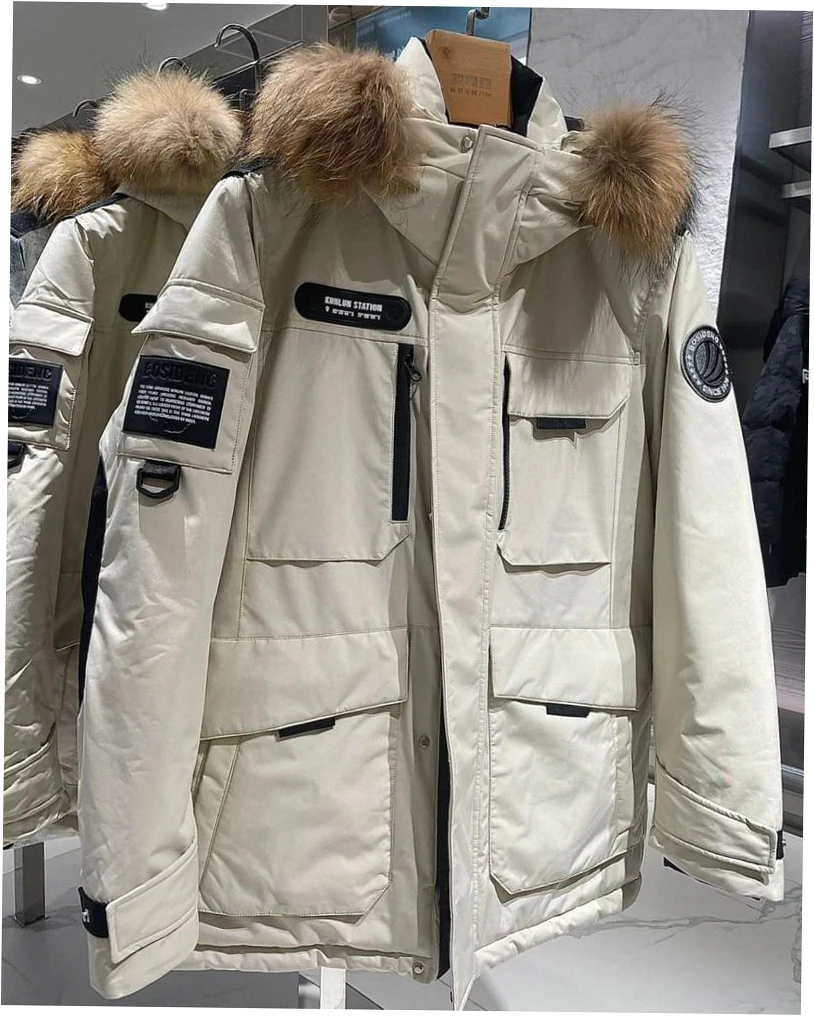
Buy for the shoulders first, because that is the one measurement a tailor cannot easily resize. A long coat should close without pulling across your back and let you raise both arms without the whole garment hiking upward. Waist shaping, whether it comes from a belt, a seam, or simply a narrower cut, keeps a long silhouette from reading like a sleeping bag.
Length and cut should also match how you actually move. If you cycle, drive, or climb stairs all day, a straight-cut knee-length coat is far more practical than a sweeping maxi. If most of your winter is indoor-to-car-to-indoor, a longer, dressier coat earns its closet space and looks worth the money.
Petite, Tall, and Curvy Frames
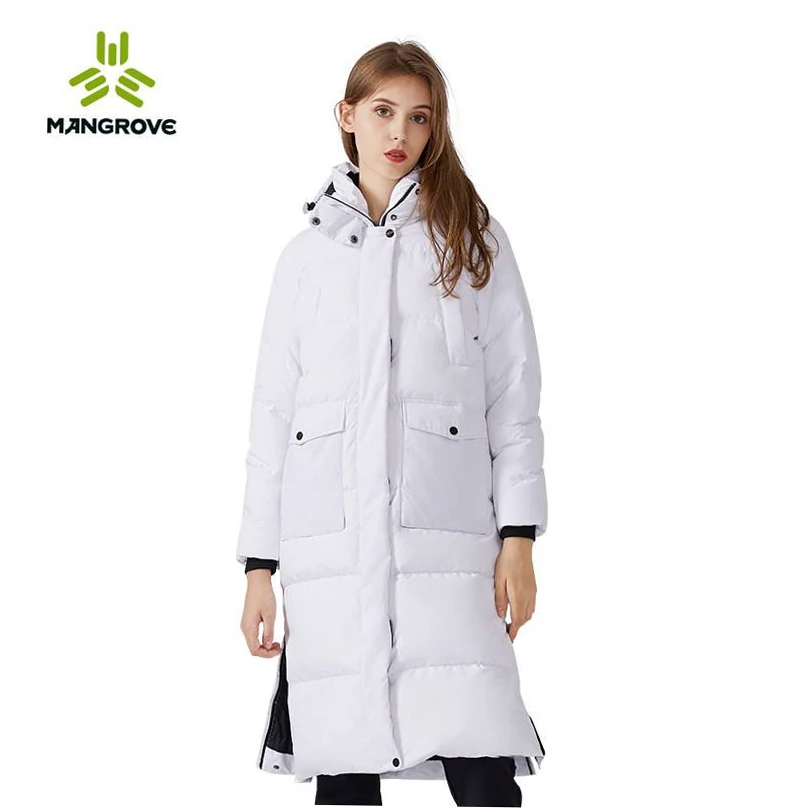
Petite shoppers usually get better results from petites-specific sizing, where the waist, sleeves, and hem are shortened proportionally instead of just chopped at the bottom. The same principle behind slimming winter clothes applies here: vertical lines, a defined waist, and a hem that ends at a flattering point do more than any single styling trick.
Curvier frames do not need to avoid long coats; they need structured ones. A shaped coat that follows the body and then flares slightly reads elegant, while an unshaped rectangle with a belt slapped over it reads bulky. Fit around the shoulders and arms is the deciding factor, not height or dress size.

What to Wear Under a Long Coat
Base Layers That Stay Thin
Heat comes from what sits under the coat far more than from the coat itself. A thermal base layer, a thin long-sleeve top, and a midweight sweater trap warm air without adding visible bulk, and they let you remove a layer once you step onto a heated train or into a shop. One thick layer gives you a single setting: too hot indoors, too cold outside.
Knowing the layers to wear under a coat for warmth, from thermal vest to thicker knit, gives you four adjustable levels instead of one rigid one. Sizing up matters if you plan to layer aggressively, especially with wool coats that have almost no stretch across the back.

Necklines, Sweaters, and Accessories
High necklines do double duty: they keep wind off your chest and visually lengthen the line from chin to hem. Turtlenecks, mock necks, and crew sweaters look cleaner under an open coat than a collared shirt, and they photograph better in the flat winter light that makes everything appear slightly puffier than it really is.
Scarves are optional, not mandatory. A merino wool buff or neck gaiter tucks into a pocket, packs flat for travel, and fills the neckline of a dressier coat without the wrapped bulk. A thicker scarf still earns its place when wind is the main problem and your coat sits open at the throat.
Wool Coats vs Puffer Coats for Winter
Warmth, Wind, and Wet Weather
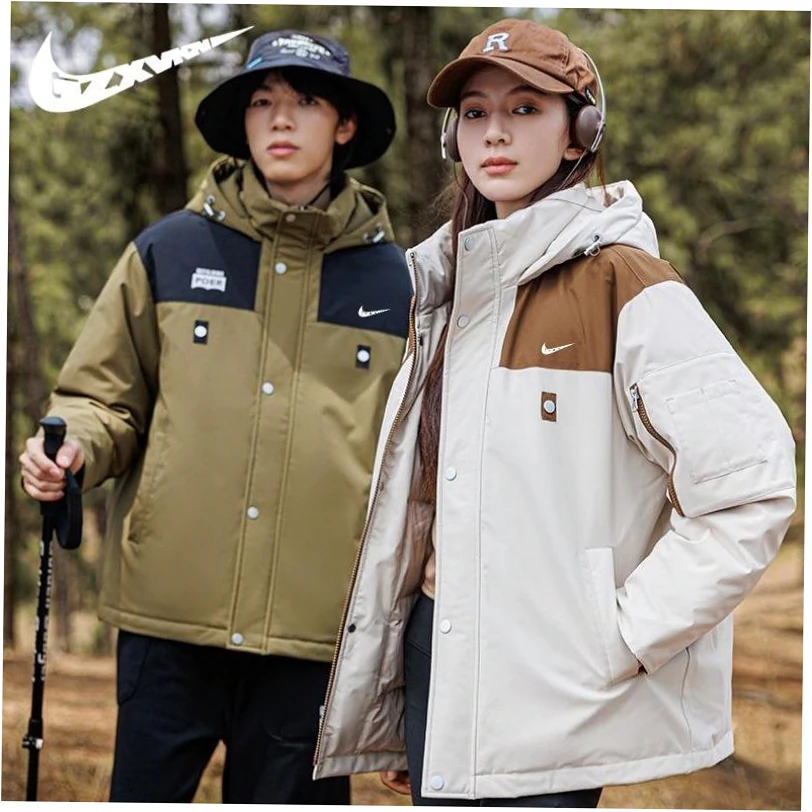
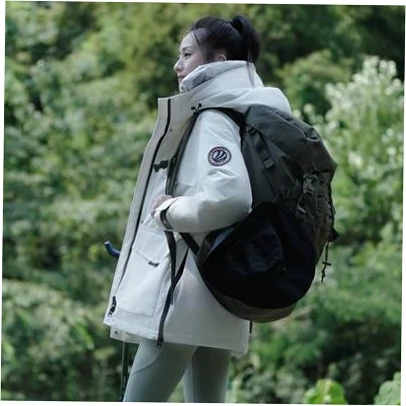
Here is the comparison most styling guides dodge: wool looks better and handles wind poorly, while down and synthetic fills look casual and handle wind, rain, and damp cold far better. In wet, gusty winters, an unlined wool coat over a sweater can feel colder than a lightweight puffer, because trapped air, not fabric weight, does the insulating.
Actual fiber content changes everything. A coat labeled wool but blended heavily with polyester pills, holds dampness, and loses shape within a season. Checking the tag before the label is the habit that separates a coat you wear for five years from one you replace by February.
When Style Still Wins
None of this makes long wool coats a mistake. For commutes that are mostly car, train, and short sidewalk dashes, a tailored knee-length wool coat looks sharper and layers better over office clothes than any puffer will. Two coats for two different jobs beat one compromise coat that does neither job well.
The smarter move for most people is a warm everyday coat plus a dressier one for evenings, interviews, and dinners. That split also solves the layering problem, since the coat you wear on a twenty-minute walk never has to look appropriate for a restaurant afterward.
| Factor | Typical retail claim | Real-world wearer feedback | Practical verdict |
|---|---|---|---|
| Warmth | Premium wool keeps you warm all winter | Wool looks better, but a long puffer feels noticeably warmer on windy days | Puffer wins below freezing |
| Wind resistance | Dense weave blocks wind | Wool alone does not stop wind; layering does most of the work | Layer up or choose synthetic |
| Wet weather | Water-resistant finish handles rain | Rain soaks wool; down loses loft when damp unless treated | Treated synthetics are safer |
| Formality | Wear it anywhere | Wool reads dressy; puffers read casual but are widely accepted | Depends on the setting |
| Layering room | Slim, tailored fit | Extra sweaters get tight fast under a fitted wool coat | Size up if you layer |
Which Pants Work Best With Long Coats
Straight, Wide, and Slim Cuts
Your coat hides the top half of the outfit, so the bottom half carries the styling. Straight-leg trousers and tailored wool pants keep the vertical line running; wide-leg styles need a heel or a shorter coat so fabric does not pool; skinny jeans tucked into boots remain the easiest option under a bulky outer layer.
Fabric weight matters as much as cut. The best pants for heavy winter jackets resist wind, hold a crease, and dry quickly, which usually means wool blends, lined denim, or technical fabrics rather than thin cotton. High-rise cuts also distribute the weight of a heavy coat better than low-rise ones that dig into your waist.
Colors That Balance a Long Silhouette
Dark boots and dark trousers create one uninterrupted column that makes a long coat look even longer and the wearer look taller. Lighter pants break that column, which works beautifully under a cropped or belted coat and looks risky under a floor-skimming one. Monochrome beneath the coat is the lowest-risk formula; color blocking is the highest-reward one.
Weatherproofing your hem matters too. Salt stains, slush splashes, and wet cuffs ruin more winter outfits than bad color choices do, so a slightly shorter length that clears puddles often ends up looking tidier than a perfect-length pair you have to baby all day long.
Which Boots Belong With a Long Coat
Heel Height and Hem Length
Boots and coat hems negotiate with each other. A mid-calf coat looks best with ankle or knee-high boots so the leg line stays visible, while a maxi coat can carry chunky lug soles or a taller shaft without swallowing your feet. Good boots for a long coat either preserve a deliberate gap at the hem or eliminate it cleanly.
Heel height changes everything else. A block heel adds height and stability on ice, flat Chelsea boots read casual and practical, and stilettos in slush are a mistake you make exactly once. Snow and road salt also destroy suede quickly, so leather and treated nubuck are safer winter investments for daily wear.
| Coat length | Best boot style | Why it works | Weather note |
|---|---|---|---|
| Knee-length | Ankle boots or Chelsea boots | Keeps the leg line visible and the silhouette light | Fine for dry cold |
| Mid-calf | Knee-high leather boots | Creates a continuous vertical line | Choose waterproof leather |
| Ankle-grazing maxi | Chunky lug-sole boots | Balances the volume of a very long coat | Best for snow and slush |
| Belted swing coat | Heeled or tall-shaft boots | Adds structure under a flared hem | Avoid suede in wet months |
Weatherproofing Your Footwear
Waterproofing spray, wool socks, and removable insoles turn a stylish pair of boots into a genuinely functional one. Going up half a size to accommodate thick socks prevents the circulation pinch that paradoxically makes feet colder, and a grippy outsole matters more in real conditions than the tread depth printed on the packaging.
Keep a second, drier pair in rotation if you walk a lot. Boots that never fully dry between wears break down faster, smell worse, and lose their shape, which is a hidden cost most people only notice after a single slushy winter of daily use.
Long Coat Styling Mistakes to Avoid
Bulk From the Wrong Layers
The most common mistake is fighting the coat with the layers beneath it. Puffy sweaters under an already-insulated parka create a marshmallow silhouette, and the fix is thin, warm layers rather than fewer thick ones. The one scenario where styling oversized winter coats intentionally pays off is a lightweight puffer hidden under a loose swing coat for extra warmth.
Proportions also fail quietly. A belt cinched too tightly over a thick coat creates bulges at the waist, while one worn too loose lets the coat swing open into a shapeless rectangle. Aim for a defined but breathable waist, and if the coat has no shaping at all, keep everything else in the outfit narrow.
Color, Care, and Budget Traps
Buying your only long coat in a bold statement color feels exciting in November and limiting by January. Neutrals such as camel, charcoal, navy, and black pair with nearly everything and hide salt stains far better. A bright coat works best as a second coat, not as the one you depend on daily.
Care costs are real and often ignored. Wool needs dry cleaning, down needs specialized washing, and cheap blended coats pill or mat after one season of daily wear. Cost per wear, not sticker price, separates a three-hundred-dollar coat worn a hundred and twenty days from a cheap one abandoned by February.
| Mistake | Why it happens | Practical fix |
|---|---|---|
| Oversized layers under an insulated coat | Confusing thickness with warmth | Swap to thin thermal and merino layers |
| Oversized coat plus oversized everything | Comfort-first dressing | Keep exactly one oversized element in the outfit |
| Statement color as the only coat | Sale-season impulse buy | Add one neutral coat to the rotation |
| Skipping tailoring | Assuming off-the-rack fit is final | Adjust shoulders first, then hem and sleeves |
| Low wool or fill content | Judging by label branding | Check the fiber tag before buying |
How to Wear Long Coats Every Day
A Five-Minute Styling Routine
Start with the coat, not the outfit. Pick the coat that suits today’s weather and destination, then build inward and downward: thin thermal layer, mid layer, trousers or jeans that suit the hem, then boots that suit the ground. Dressing in that order prevents the frustrating loop of changing everything twice before you leave.
Check your proportions in a full-length mirror before walking out. The chin-to-hem length, the sleeve break at your wrist, and the gap between hem and boot are the three details people actually notice. Photographing the outfit in daylight reveals bulk and color clashes that indoor lighting conveniently hides.
Spending, Care, and Long-Term Value
Buy the warmest coat you can reasonably afford in a neutral color, then spend the rest of your budget on fit, since tailoring a mid-priced coat often beats buying a designer one that sits wrong at the shoulders. End-of-season sales are when long coats drop the most, because retailers clear bulky inventory in late winter.
Keep a neck gaiter, gloves, and a spare pair of wool socks in one rotation spot so a cold morning never turns into a decision. The coats people reach for a decade are rarely the most exciting ones; they are the ones that fit, dry fast, and match half of the closet.
Long Winter Coat Styling Questions, Answered
How long should a winter coat be to actually keep me warm?
Length adds warmth mainly by covering more skin and trapping more air around your torso and thighs. Knee-length is the practical minimum for walking in real cold, while mid-calf or longer adds meaningful protection on windy days. Below the knee, fit and layering start mattering more than extra inches of fabric.
Is a puffer coat warmer than a wool coat for city winters?
Usually yes, especially in wet or windy cities, because down and synthetic fills block wind and hold loft better than woven wool. Wool wins on formality and looks sharper over office clothing. Many people who walk daily end up owning both and wearing the puffer on genuinely cold days.
What can I wear under a long coat without looking bulky?
Thin thermal base layers, fine-gauge merino sweaters, and lightweight fleece vests add warmth with almost no visible volume. Avoid heavy chunky knits under a fitted coat, since they compress the coat’s own air layer and stiffen your movement. Two thin layers generally beat one thick one for both warmth and appearance.
Why does my long coat make me look shorter than I am?
Usually the shoulders are too wide, the waist has no shape, or the hem stops at the widest part of your calf. Vertical details, a defined waist, and boots that match your trouser color all restore apparent height. Petite sizing or a quick hem adjustment often fixes this faster than buying a new coat.
How much should I spend on a long winter coat?
Spend enough to get real wool content or quality fill, a lining that is not flimsy, and a cut that fits your shoulders. That usually means the mid-range rather than the cheapest option or a designer label. Calculate cost per wear across the roughly hundred days you will actually wear it each winter.
Can shorter or curvier people wear ankle-length coats?
Yes, and many do happily all winter long. The deciding factor is fit around the shoulders and arms rather than total height or dress size, plus a hem that lands somewhere deliberate. Shaped, belted, or slightly flared cuts read better than straight rectangles, and a boot with a defined shaft helps balance the volume.
How do I care for a long coat so it lasts more than one season?
Brush wool after wear, hang coats on wide hangers to preserve shoulder shape, and dry damp coats away from radiators. Dry clean wool sparingly, since frequent cleaning shortens its life, and follow down-specific washing instructions for puffers. Store coats clean in breathable bags to prevent moths and mildew over summer.

[…] dominates the outfit, so your boots either anchor it or fight it. For the bigger framework, my long winter coat styling guide covers proportion, color, and layering in detail. The short answer: choose a boot that matches the […]