
Layering clothes for extreme cold only works when you engineer trapped air: a thin wicking base layer against your skin, a lofty mid layer that holds a gap, and a windproof shell that stops moving air from stealing it. I learned that on a -24°F morning in northern Minnesota, after overdressing my torso and freezing my hands. If you want the wider framework, this guide to layering clothes for winter covers the basics, but extreme cold punishes the details nobody mentions.
Table of Content
How Cold Weather Steals Your Body Heat
What Counts as Extreme Cold
Extreme cold generally means an air temperature at or below -10°F (-23°C), or any reading where wind chill pushes the effective temperature under -20°F. The National Weather Service wind chill chart exists because moving air strips heat from exposed skin dramatically faster than still air, and at those readings frostbite can begin in under 30 minutes on unprotected cheeks, ears, and fingers.
Humidity changes the experience as much as the number itself. Damp cold at 25°F on a coastal evening often feels crueler than dry, still cold at 5°F in the Rockies, because moisture in the air and in your clothing conducts heat away instead of holding it. Practical layering choices should follow your local cold type, not just the thermometer.
Air Pockets, Wind Chill, and Why Loft Works
Still air conducts heat poorly, about 0.026 W/m·K, while water conducts it roughly twenty times better, which is why your layers only work while they hold dry air next to your skin. Wind destroys that boundary layer, so a windproof shell on a gusty day adds more real warmth than another sweater.
This is the most consistent insight shared by people who live through hard winters: warmth comes from dead air trapped between layers. A fitted base layer plus a looser mid layer creates that insulating gap, much like the sealed air space in a double-pane window. Three tight tops stacked on each other do far less than one loose fleece over one snug base.
Your Three-Layer System for Extreme Cold
Base Layer: Fitted and Moisture-Wicking
Pick a thin, snug base layer in merino wool or a synthetic such as polyester or polypropylene. Its job is moving sweat away from your skin, not adding loft. Cotton fails badly here because it holds moisture against you, and wet fabric pulls heat from your body far faster than dry air. Look for OEKO-TEX Standard 100 or bluesign certification, which confirm the fabric has been tested for harmful substances and produced with lower environmental impact.
Fit matters as much as fiber. A base layer should touch your skin everywhere without restricting circulation, since wrinkles create cold spots and tight cuffs can cut off blood flow to your hands. Weight is the dial you turn: roughly 150-200 g/m² for active days and 200-260 g/m² for standing around in serious cold.
Mid Layer: Where Your Warmth Lives
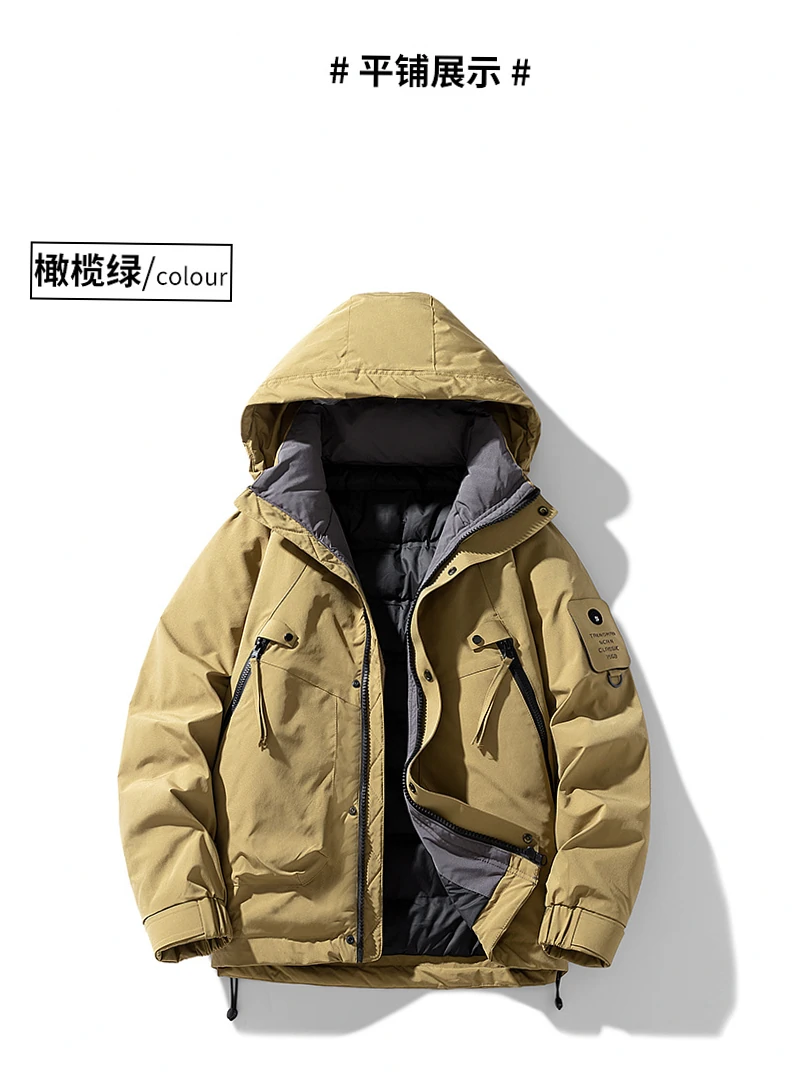
Mid layers trap air, so grid fleece, thick merino sweaters, and light synthetic puffers all qualify. In genuine extreme cold I often run two mid layers, a grid fleece over the base and an insulated vest or puffer above that, because two thin lofted layers manage moisture better than one thick one and let you vent when you start moving.
Down delivers the best warmth for its weight when it stays dry; look for Responsible Down Standard certification, which verifies traceable and humane sourcing, because lofty claims without honest fill are just marketing. Synthetic fills such as PrimaLoft keep insulating when damp, which makes them the safer pick in wet-cold climates even though they pack bulkier.
Shell Layer: Wind and Water First
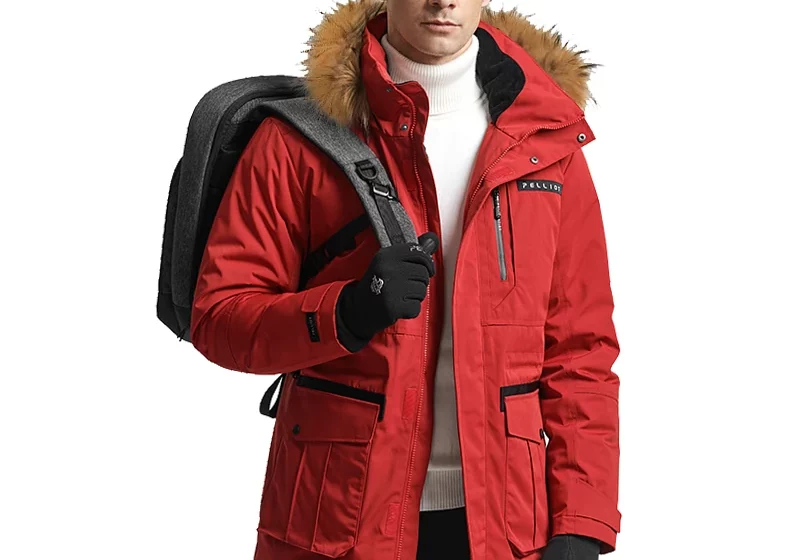
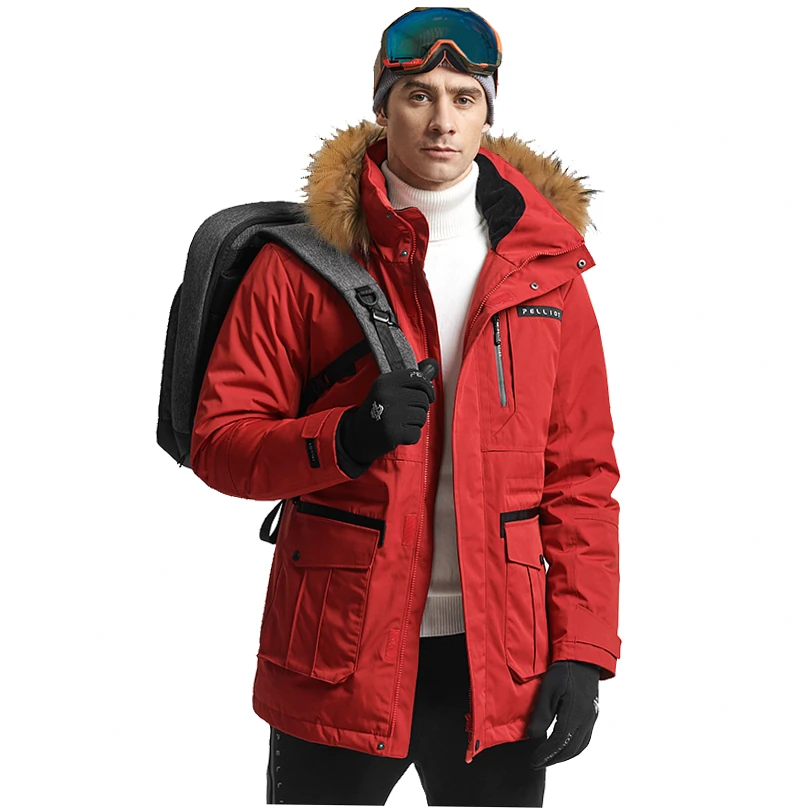
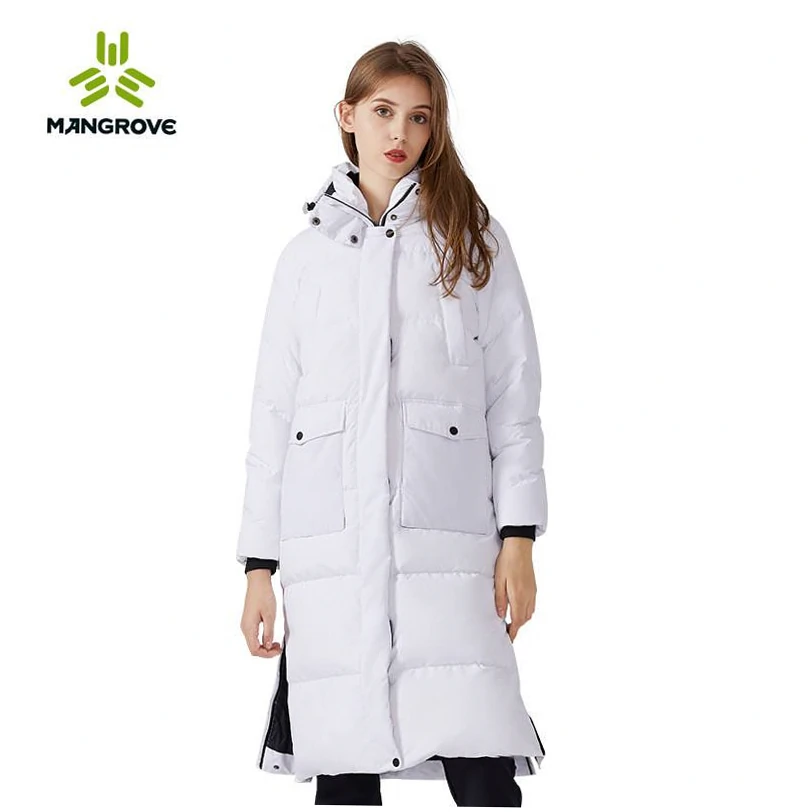
The shell blocks wind and precipitation and should be your loosest layer, never compressed against the mid. A three-layer hard shell with taped seams handles wet snow, while a breathable soft shell feels better in dry, windy cold. Pit zips and chest vents are not luxuries in extreme cold; they are how you avoid soaking your insulation with sweat on a brisk walk.
Thinking of the whole outfit as a formal three-layer winter clothing system keeps you honest: base for moisture, mid for loft, shell for weather. Most complaints about layers not working trace back to a missing or mismatched layer, or a shell that squeezes the loft out of everything underneath it.
| Layer | Primary job | Fabric examples | Extreme cold adjustment |
|---|---|---|---|
| Base | Move sweat off skin | Merino 150-200 g/m², polyester, polypropylene | Add a second thin base below -20°F; never cotton |
| Mid | Trap dead air | Grid fleece, wool sweater, synthetic puffer, RDS down | Stack two thin mids instead of one thick one |
| Shell | Block wind and wet | 3-layer hard shell, soft shell, insulated parka shell | Must fit loosely over mids; no compression |
| Extremities | Protect face, hands, feet | Balaclava, liner gloves plus mittens, wool socks | Treat as mandatory gear, not optional extras |
Layering vs One Heavy Parka: Which Wins?
Where Layering Clearly Wins
Layering wins whenever your activity or environment changes during the day, whether you commute on foot, shovel, hike, or walk a dog. You can unzip, drop a mid layer, or swap the shell without dismantling your whole insulation system. It is also more packable and cheaper than owning several single-purpose parkas that each work in only one temperature band.
If you spend hours outside in real extreme cold, a serious expedition parka over a base and mid layer is still a layered system; it simply has the loft built into the outer shell. Framing this as layering versus parka is a false choice, since the heaviest parka is really just a very thick, windproof outer layer.
Where a Single Parka Makes More Sense
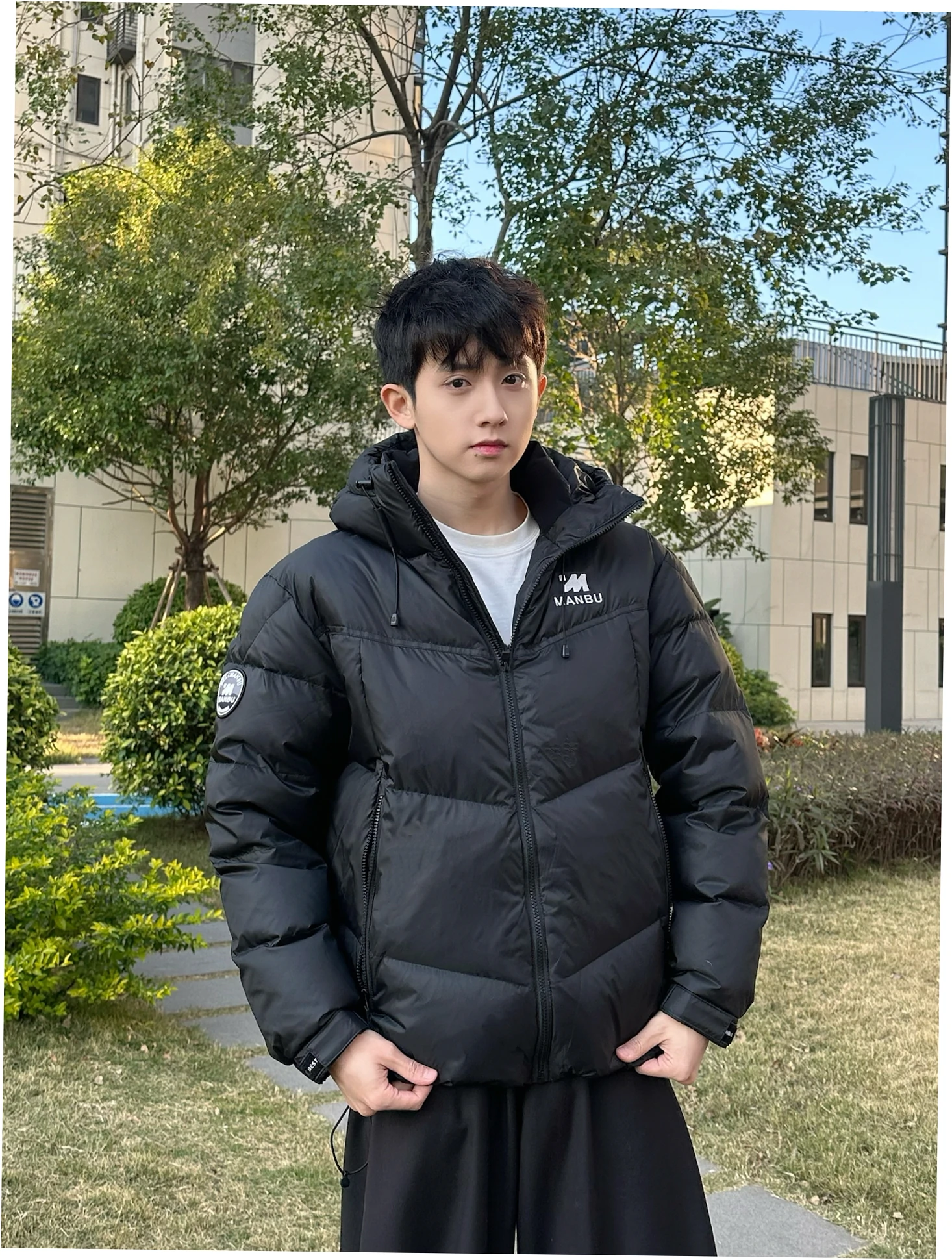
For short, predictable exposure such as a bus stop or the walk from a parking garage into an office, one warm parka over a shirt is simpler, and it is far less annoying once you reach a 70°F room. Peeling off four layers at your desk and finding somewhere to stash them is a real cost that gear reviews rarely mention.
| Common claim or standard practice | What experienced cold-weather users report |
|---|---|
| Three layers handle any winter | Below roughly -20°F with wind, most people add a fourth layer at the core or switch to an insulated shell |
| More layers always means warmer | Tight stacking compresses loft and removes the air gap; slightly loose fits feel warmer in practice |
| Any base layer works if the coat is warm | Cotton bases cause chills once activity stops, especially in wet cold |
| One thick parka beats layering | True for standing still; layered setups win as soon as you move and start sweating |
| Layering is impractical for daily life | Fair for office commutes, which is why many people keep technical layers for trails and simple shells for city days |
One split keeps reappearing among experienced winter residents: people who commute indoors insist a single heavy coat wins, while people who stay active outdoors insist layering is non-negotiable. Both groups are describing the same physics with different priorities, and your day, not someone else’s gear list, should decide which approach you build around.
Matching Layers to Your Body and Day
Commuters, Walkers, and Hard Workers
Activity level, not the thermometer alone, should set your layer count. Someone shoveling snow generates serious heat and needs a thinner mid layer plus open vents, while someone standing at a bus stop needs more loft and better wind protection. Dress for the coldest ten minutes of the trip, then ventilate rather than overdressing from the start.
Office days create a specific puzzle: you need warmth on the street and normal-looking, comfortable clothing indoors. For most people that comes down to layers under a coat that read as ordinary clothing, such as a thin merino base, a lightweight sweater, and a coat roomy enough to trap air without looking inflated.
Staying Warm Without Looking Bulky
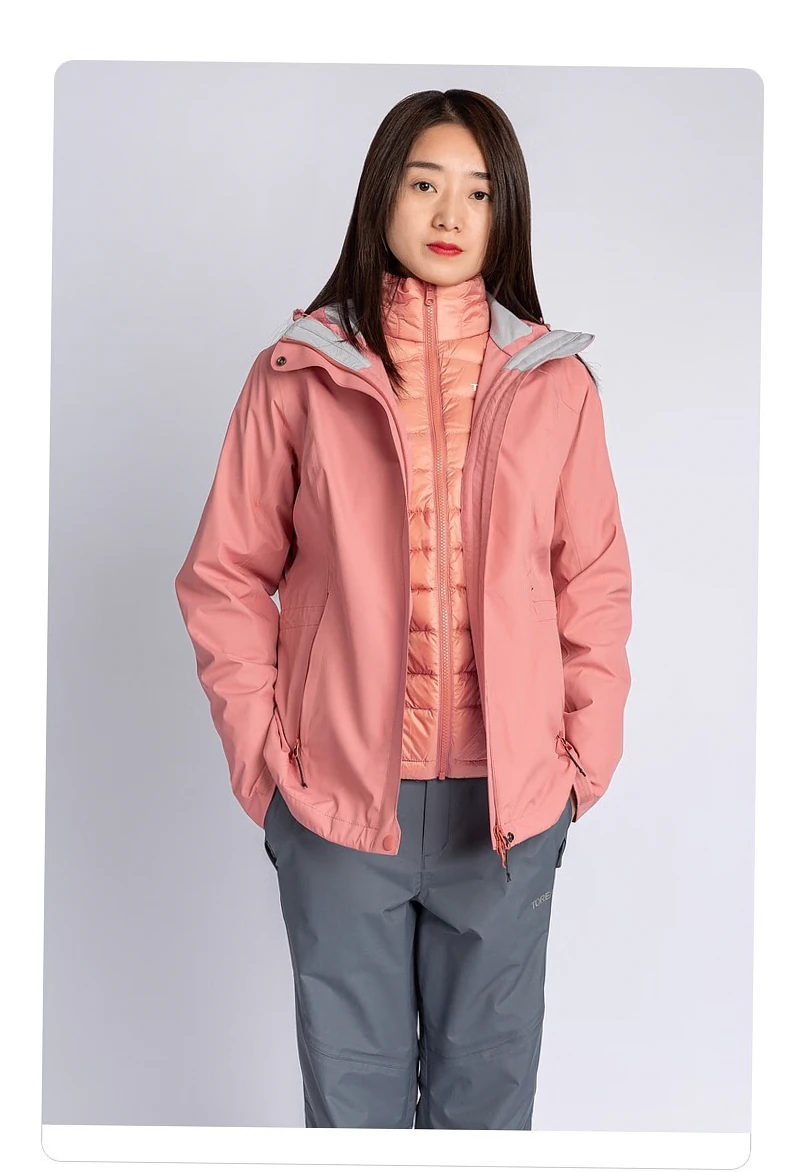
Bulk comes from thick, low-loft fabrics and bad fit, not from the number of layers you wear. A merino base, a thin grid fleece, and a trim insulated shell can look closer to normal clothing than one enormous puffer. Dressing warm without looking bulky is mostly about thin lofted layers, dark matte shells, and a hem that ends at the right place.
City life also imposes practical limits: technical fabrics need more frequent washing, wear out faster, and pick up road salt that degrades water-repellent finishes. Many experienced winter residents keep their specialist gear for trails and longer exposures, then wear simpler layering for short urban trips, which is a reasonable trade between warmth, cost, and durability.
A starter kit covers most extreme cold scenarios: two thin base sets, a grid fleece, an insulated mid, a windproof shell, wool socks, liner gloves, mittens, a balaclava, and a warm hat. Cold-weather clothing essentials earn their place because a missing hat or wet socks can undo everything your torso layers accomplished.
Cold-Weather Layering Mistakes and Risks
Sweat, Cotton, and Sudden Frostbite
Overdressing is the most common extreme cold mistake. Sweat soaks your base layer, then that moisture chills you the instant you stop moving, which is why experienced winter athletes start slightly cold and add layers only when they feel a genuine chill. Venting early is not toughness; it is thermal management.
Frostbite risk climbs quickly in wind, especially on cheeks, ears, nose, fingers, and toes. Warning signs are numbness, pale waxy skin, and a strange disappearance of pain rather than intensifying pain, a detail that makes it easy to ignore. Anyone showing those signs should get indoors, remove wet gear, and rewarm gradually without rubbing or direct high heat.
Hands, Feet, and Face
Hands and feet are hardest to keep warm because they are farthest from your core and blood flow shrinks when your body gets cold. Mittens outperform gloves because fingers share one warm air space; thin liner gloves inside let you still use a phone. Two pairs of socks rarely help if the fit is tight, because loft needs room.
Faces lose heat fast too. A balaclava, neck gaiter, or scarf over the nose and mouth pre-warms incoming air, which matters during hard exercise in extreme cold and reduces the sharp lung ache many people feel below 14°F. Goggles or sunglasses cut wind exposure around the eyes, and none of this is fussy, since one exposed cheek on a windy -20°F day can end an outing.
| Risk | Typical trigger | Warning sign | Fix |
|---|---|---|---|
| Sweat-soaked base layer | Overdressing before activity | Cold, clammy feeling mid-walk | Vent early and start one layer lighter |
| Frozen extremities | Tight boots or gloves, reduced circulation | Numb, pale, waxy skin | Dry socks, mittens with liners, wiggle fingers and toes |
| Compressed loft | Too many tight layers | Warm at first, then suddenly cold | Keep air gaps and size up outer layers |
| Wind breakthrough | No shell on a windy day | Chest and arms feel cold despite layers | Add a windproof shell and seal cuffs |
| Wet-cold chill | Rain or sleet soaking the outer layer | Persistent dampness and shivering | Waterproof shell with synthetic insulation |
Before your next genuinely cold day, run one dry test: dress in your planned extreme cold layers, walk around the block, and note where you feel cold, damp, or restricted first. Then adjust a single variable, whether that is base fabric, mid loft, or shell, because changing three things at once teaches you nothing. Jot a two-line note for each temperature band you actually face, and -20°F mornings stop being a guessing game.
Extreme Cold Layering Questions, Answered
How many layers do I actually need at -20°F?
Most people do well with three functional layers, a base, a mid, and a shell, then add a fourth thin mid layer over the core when they are standing still. The honest answer depends on wind, humidity, and activity. Start with three, carry a spare lightweight mid layer, and let your body temperature decide instead of a number.
Is a single heavy parka better than layering in extreme cold?
For short exposures and indoor commutes, a single parka is simpler and just as warm. For anything active or longer than an hour, layering wins because you can regulate heat instead of sweating through your only insulation. Many people use both: a parka for errands, layered technical gear for trails and long outdoor work.
Can I wear cotton if I am only outside for ten minutes?
Ten minutes in dry, still cold is usually fine, but ten minutes in wet snow or wind is where cotton becomes a problem, because it holds moisture against your skin and cools you quickly once you slow down. If there is any chance of sweating or getting wet, choose merino or synthetic instead.
Why do my feet stay cold even with two pairs of socks?
Usually because the boots are too tight, so there is no trapped air and circulation is reduced. One good wool sock in a roomy boot beats two compressed pairs. Insulated, loose-fitting boots, a moisture-wicking liner, and a warm core do more for your feet than adding sock layers.
How should I layer for shoveling or winter hiking?
Start one layer lighter than you think you need and carry the extra mid layer. Use a breathable shell with open pit zips, wick sweat with a synthetic or merino base, and add insulation only when you stop or turn into the wind. Sweat is the enemy, so aim for steady warmth rather than maximum heat.
Are expensive merino base layers worth the money?
Merino regulates temperature well, resists odor across multiple wears, and feels less clammy than many synthetics, which matters on multi-day trips. Cheaper synthetics wick faster and dry quicker, though they smell sooner. Look for Responsible Wool Standard certification if animal welfare matters to you, and buy one good set rather than three mediocre ones.
What should someone who always feels cold wear differently?
People who run cold often benefit from an extra thin mid layer over the core, an insulated vest, and warmer accessories rather than one thicker coat. Adding warmth near the torso and neck helps extremities more than piling on gloves, because circulation follows core temperature. Test changes one at a time.