
Learning how to dress warm without looking bulky cost me four winters, three returned parkas, and one sweaty afternoon at a bus shelter. The conclusion I would hand a friend: bulk is rarely the price of warmth — it is usually the price of bad layering. Two thin animal-fiber sweaters and a windproof shell kept me warmer last January than a stuffed ski jacket ever did, and once layering clothes for winter finally clicks, you stop looking like a sleeping bag with legs.
Table of Content
Why Do Warm Layers Look So Bulky?
Warmth Comes From Trapped Air
Still air conducts heat at roughly 0.026 W/m·K, which is lower than nearly every textile fiber, so insulation is really a scaffold that holds air in place. That single fact explains why a 3 mm merino knit can beat a 10 mm acrylic one. Stop chasing thickness and start chasing trapped air inside a small space.
The practical consequence is simple: your job is to create many thin air pockets, not one thick slab of padding. Three 2 mm layers give you two extra air gaps compared with a single 6 mm sweater, and those gaps cost no visible width at all.
Compression Steals Warmth and Adds Bulk
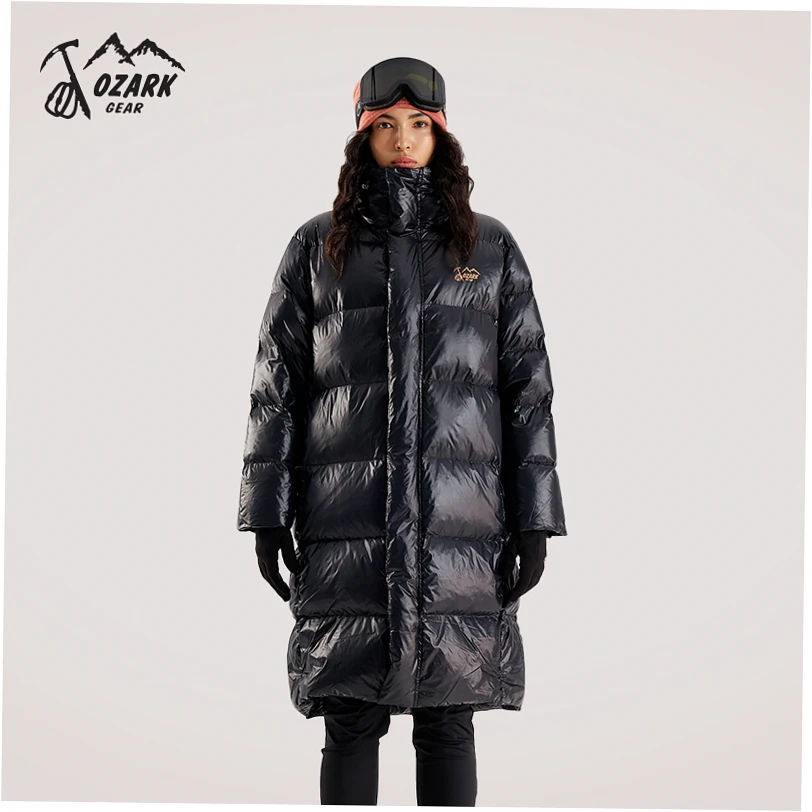
Over-tight layers squeeze the loft out of each other. When a base layer presses against a sweater, both flatten, you feel cold, and you add a third piece that finally makes you look inflated. A finger-width gap between layers does more for warmth than an extra garment does. Size up mid layers; never compress them.
This is why the person in three tight layers often looks puffier and feels colder than the person in two loose ones. Loft is a physical quantity you can protect, and protecting it is the cheapest warmth upgrade available.
Where Winter Bulk Actually Comes From
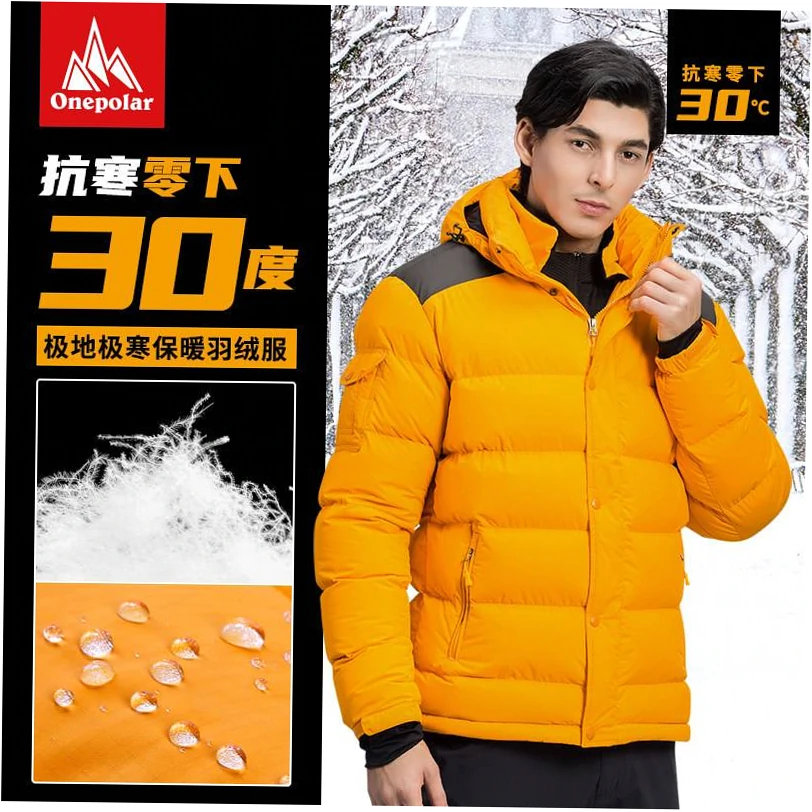
Most visible puffiness comes from three places: padded shoulders, a thick collar, and a hem that flares at the hip. Slim raglan sleeves, a low-profile hood, and a coat that ends mid-thigh keep your silhouette intact while insulation works underneath. Bulk is a design choice, not a thermodynamic requirement.
Vertical quilting channels narrow the shoulder line, while horizontal channels widen it. If two jackets offer identical warmth, the one with vertical stitching and a trimmed collar will photograph as noticeably smaller on almost every body type.
Which Thin Fabrics Beat Bulky Knitwear?
Merino, Cashmere, and Silk for Thin Base Layers
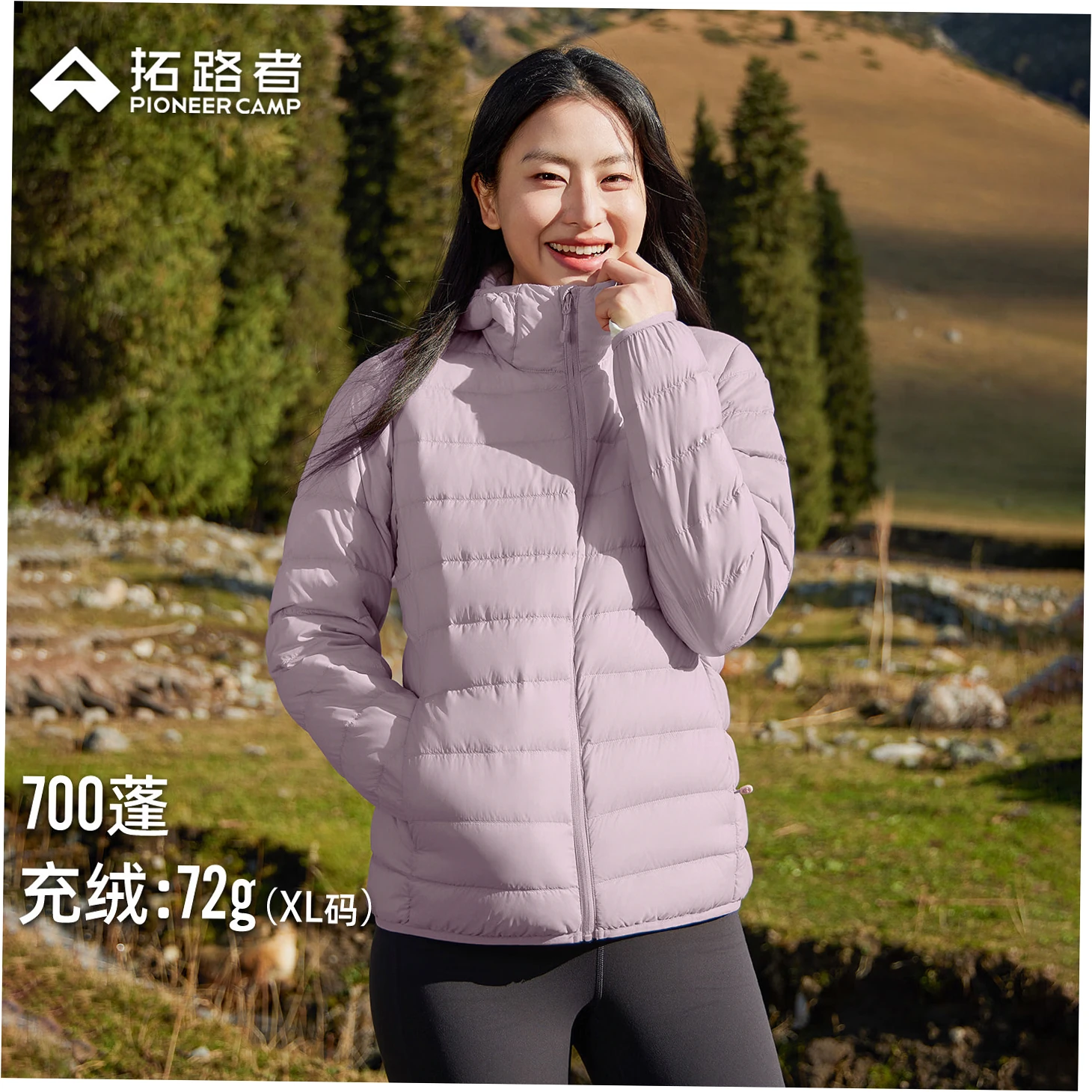
Fiber diameter decides whether wool feels thin or scratchy. Fine merino runs 17–19 microns, cashmere 14–19, and ordinary wool 25–30, so luxury fibers pack real warmth into a knit you can hide under a shirt. Silk adds almost no measurable thickness and dries quickly against skin.
Animal fibers also manage moisture better than most budget synthetics, which is why they resist that clammy, chilled feeling twenty minutes into a walk. A thin merino long sleeve over silk is the closest thing to invisible insulation I have found.
Down vs Synthetic Insulation for Stealth Warmth
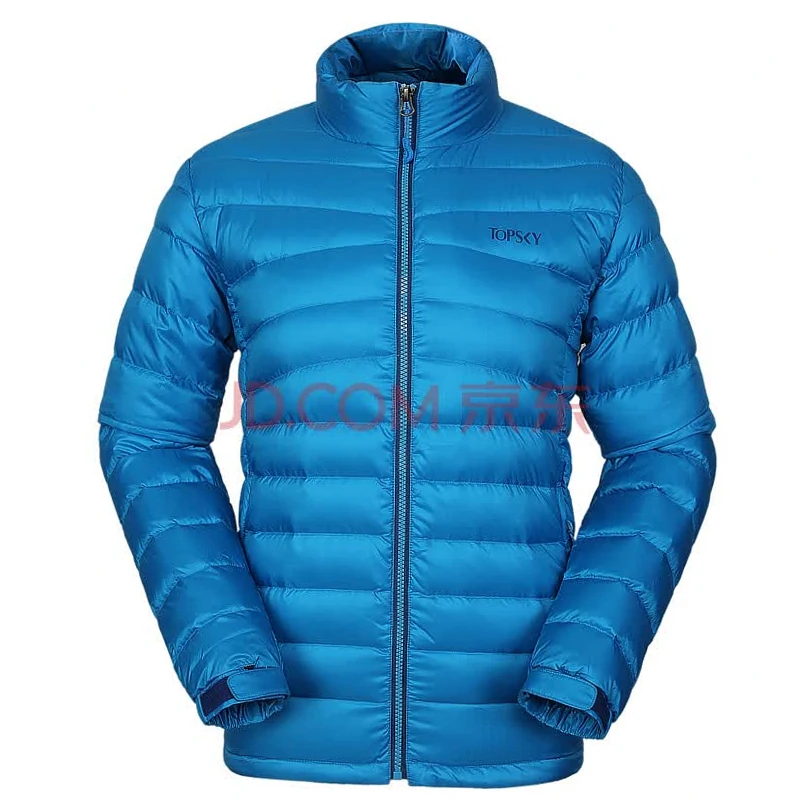
High fill-power down wins on warmth per gram. A 700–800 fill jacket roughly halves the thickness you would need from a basic synthetic batt for comparable insulation. Synthetics keep more warmth when damp and cost less, so they suit wet cities and long commutes where soaked down would collapse into a flat pancake.
Check certifications before you buy. RDS (Responsible Down Standard) verifies that down is traceable and not live-plucked, and OEKO-TEX Standard 100 confirms the finished fabric has been tested for harmful substances — useful signals that a thin jacket is built from decent materials rather than filler.
| Fabric | Typical thickness | Warmth per gram | Behaviour when damp | Visible bulk |
|---|---|---|---|---|
| Fine merino (17–19 µm) | 2–3 mm | High | Retains warmth, dries slowly | Very low |
| Cashmere | 2–4 mm | Very high | Moderate | Very low |
| Silk | Under 1 mm | Low alone, excellent base | Dries fast | Negligible |
| Down, 700–800 fill | 25–40 mm loft | Highest | Collapses when soaked | Low for its warmth |
| Synthetic batt | 40–60 mm | Moderate to high | Retains most warmth | Moderate |
| Acrylic knit | 6–10 mm | Low | Traps sweat | High |
| Cotton fleece | 8–12 mm | Low to moderate | Soaks and chills | Moderate |
How to Layer Thin Clothes Properly
Base Layers That Disappear Under Everything
Getting clear on what to wear under a coat settles most of the bulk problem before you touch a jacket. Pick a fitted, sweat-wicking base in merino, silk, or a thin technical knit, then let the mid layer breathe above it rather than pressing down on it.
Base layers should finish against your skin, not against your sweater’s inner lining. That small trapped gap is where warmth lives, and it costs nothing in silhouette because the fabric sits inside the outline of your coat.

Mid Layers You Can Shed Indoors
The mid layer is your thermostat. A thin cashmere or merino crewneck adds warmth and comes off in one motion when a bus or office turns tropical. Heavy hoodies belong elsewhere, since they trap sweat and force you to choose between overheating inside and freezing the moment you step back out.
If you run hot, a quilted vest gives you a warm core without arm bulk — it also slides under a tailored coat without distorting the shoulder line, which is the single most common reason slim winter outfits suddenly look lumpy.
Outer Shells That Do the Heavy Lifting
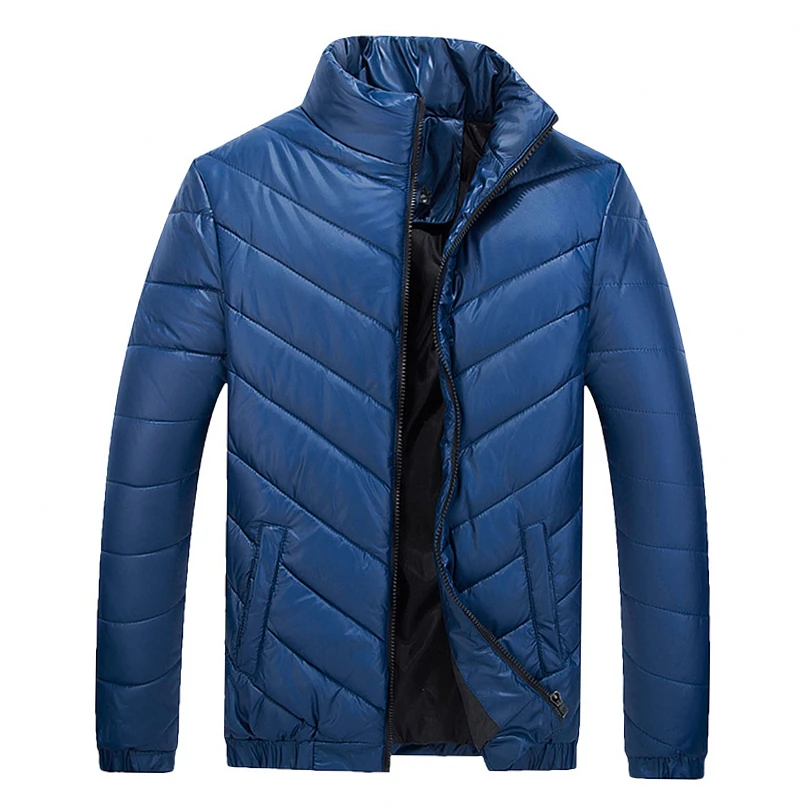
Your coat should block wind and shed rain, two jobs that have nothing to do with thickness. A windproof membrane can cut convective heat loss dramatically on a gusty day, letting a thinner jacket feel warmer than a fat one. Look for a high collar, adjustable cuffs, and a hem that covers your seat.
Those details decide how warm a coat feels far more than its padding statistics do. Wind is the reason a 300 gram jacket can outperform a 900 gram one on the same street corner in the same temperature.
Biggest Mistakes That Add Winter Bulk
Compressing Your Insulation Kills Warmth
Stuffing a down jacket into a tight backpack, or wearing it under a snug shell, flattens the loft and permanently reduces performance. Down clusters need space to expand. If a jacket feels flat after storage, shake it out and let it sit for an hour before judging whether it still works.
The same rule applies to knitwear: a compressed sweater warms you less than a loose one of identical weight. When in doubt, buy the mid layer that fits over your base with room to spare, not the one that clings.
Cold Gaps at Neck, Wrists, and Ankles
People overlook the small openings. An exposed neck, bare wrists, and ankles showing between sock and trouser hem drain heat fast, and no amount of torso layering fixes it. A thin cashmere scarf, longer sleeves, and socks that sit above the boot line close those gaps without adding visible bulk.
Warm feet genuinely change how warm the whole body feels. One pair of merino socks inside roomy boots outperforms three pairs crammed together, because stacked socks restrict circulation and cut the air space that was doing the insulating.
Trusting Marketing Claims Over Real Testing
Labels describe fabric, not your body. Two people in identical 700-fill jackets can have completely different experiences depending on activity level, wind exposure, and how much they sweat. Treat every warmth rating as a starting point, then adjust based on your own twenty-minute walk rather than a brochure.
Numerical ratings usually assume dry conditions, moderate wind, and light activity — pretty far from a real commute. That gap between lab numbers and lived experience is exactly where most bulk-related frustration comes from.
| Common claim | What the label promises | What wearers actually report |
|---|---|---|
| Thicker is warmer | Bulkier knits and padded coats equal more heat | Thin cashmere and fine merino often feel warmer than heavy acrylic, because air traps more efficiently in fine fibers |
| Down is always warmest | Best warmth-to-weight of any fill | Down collapses once it soaks, so wet-city commuters report synthetics holding up better over a full day |
| Synthetic layers breathe fine | Moisture-wicking, quick-drying | Budget synthetics trap sweat on walks and leave wearers chilled; wool manages moisture more gracefully |
| You need layers on your legs | Insulated trousers for cold weather | Many regular commuters skip leg layers unless they are outdoors for hours, relying on windproof trousers |
| Three pairs of socks beat one | Extra socks mean extra warmth | Stacking tight socks restricts circulation; one merino pair inside roomy boots feels warmer to most |
| Bulk is unavoidable below −15°C | Heavy parkas required in extreme cold | Some seasoned wearers agree, others pair a windproof shell with thin down if they keep moving |
How to Build a Slim Winter Uniform
Match Layers to Your Real Temperature Range
Start with the coldest temperature you will actually stand in, not the number on the forecast. A fifteen-minute walk at −5°C needs far less than two hours at a bus stop. Most people over-dress for transitions and under-dress for standing still, which is why they end up bulky and clammy at once.
Write down your personal threshold — the temperature where you genuinely need a third layer. Mine sits near −8°C with wind. Knowing it stops me carrying a coat I never wear and wearing one I always regret, which is the quiet efficiency behind every slim winter wardrobe.
Test, Adjust, and Pack for Transitions
Wear the full setup for a twenty-minute walk before committing to it all day. Note where you sweat first and where you feel wind. Then remove a layer from that zone and add a wind-blocking piece instead. This trial takes a week and saves years of guessing.
Keep a packable down vest in your bag for the walk home and a thin scarf for gusts. The ability to add warmth in thirty seconds, without changing your overall outline, is what separates people who look put together in January from people who look like they gave up in November.
| Scenario | Base | Mid | Outer | Bulk risk |
|---|---|---|---|---|
| Car commute to office, 0 to 5°C | Merino tee | Thin cashmere crew | Tailored wool coat | Low |
| Two-hour outdoor walk, −5°C | Silk or merino long sleeve | Quilted vest | Windproof shell with thin down liner | Low to moderate |
| Wet city commute, 0°C | Technical synthetic base | Light fleece | Waterproof shell, synthetic fill | Moderate |
| Standing at a bus stop, −10°C | Merino long johns and long sleeve | Down mid layer | Long parka, high collar | Moderate |
| Home with heating at 15°C | Cotton tee | Wool socks, shearling slippers | Loose knit cardigan | Very low |
| Airport and transit, −2°C | Merino base | Packable down vest | Unlined wool coat | Low |
Tomorrow morning, do one thing: swap your heaviest top for two thin ones and see how you feel after twenty minutes outside. Layer one thin merino base, one fine-knit mid layer, and a windproof outer, then note where you still feel cold. That note is the only sizing and insulation data that genuinely matters for your body.
Frequently Asked Questions About Slim Winter Layers
Do I really need three layers to stay warm without looking bulky?
Three is a useful default, not a rule. Two thin layers plus a windproof outer cover most urban winter days down to about −5°C. Add a third only where you lose heat fastest, usually the core, and leave limbs with single thin layers so your outline stays clean.
Is down or synthetic insulation better for a slim winter coat?
Down gives more warmth per millimetre in dry cold, which makes it the better choice for the slimmest possible silhouette. Synthetics retain more warmth when wet and cost less, so pick them for wet, windy cities where a soaked down jacket would flatten and stop insulating.
Can I stay warm in deep winter without any bulk at all?
Honestly, no — below roughly −15°C, some visible thickness is unavoidable, and pretending otherwise is how people end up cold. The realistic goal is selective bulk: padding where you lose heat fastest, thin layers everywhere else, and a shell that blocks wind instead of adding fill.
What is the biggest mistake people make when layering thin clothes?
Compressing the loft. Wearing a tight shell over a fitted mid layer squeezes out the trapped air that actually insulates you, so you feel cold and add more clothes. Loosen the mid layer, keep a small air gap, and you will stay warmer with less visible volume.
How much should a thin, warm winter wardrobe cost?
You can do it on a modest budget: a merino base, one fine mid layer, and a windproof shell cover most conditions. Cashmere and high fill-power down are expensive because of fiber fineness and traceability, so spend there only if you want maximum warmth per millimetre.
Does a slim winter outfit work for every body type?
Yes, with adjustments. Broader shoulders suit raglan sleeves and vertical quilting; shorter frames do better with hip-length coats; anyone who runs hot should favour vests over full sleeves. Fit and proportion matter far more than the number of layers you wear.
How do I stop sweating when I wear layers indoors?
Build for removal, not for maximum. Choose a mid layer you can peel off in one motion, keep your base thin and moisture-wicking, and avoid heavy fleece against skin. Synthetics that trap sweat are the main culprit behind the chilly, damp feeling that follows a warm bus ride.