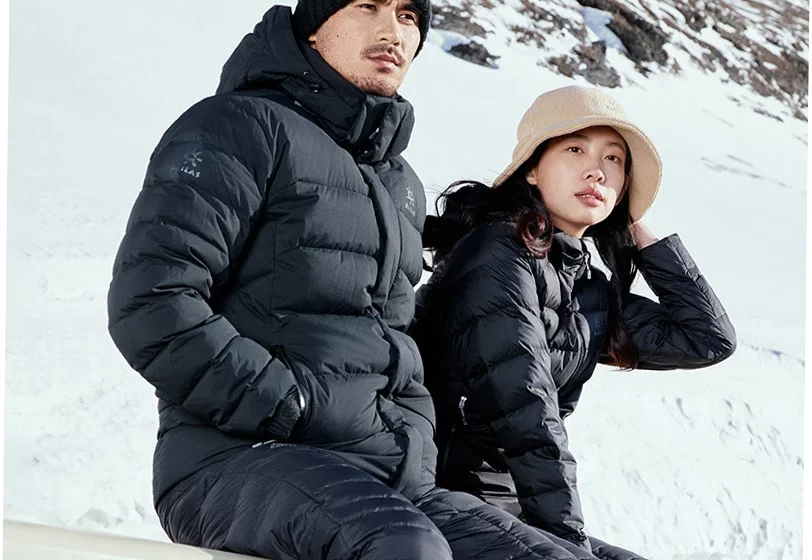

How Winter Layering Actually Keeps You Warm
I learned how to layer clothes for winter the hard way, shivering through a Canadian January in a coat I had saved for months to buy. The fix was never thicker fabric. It was order: a thin base layer that pulls sweat off my skin, a fluffy middle layer that traps warm air, and a wind-blocking shell that keeps that air where it belongs. Get the sequence right and you will feel warmer in lighter clothes.
Table of Content
- How Winter Layering Actually Keeps You Warm
- Which Layers Belong in a Winter Outfit
- Best Cold Weather Layer Combos by Temperature
- How to Dress Warm Without Looking Bulky
- Common Layering Mistakes That Leave You Cold
- Layering vs One Heavy Parka: Real Trade-Offs
- Build a Layering System Around Your Day
- Common Winter Layering Questions, Answered
Cold rarely punches straight through a jacket. It quietly drains the warm pocket of air your body builds up, and every layer you add creates another still-air gap that slows that loss. Still air is one of the best insulators we have, which is exactly why double-glazed windows and down duvets work. Fabric conducts heat away; trapped air does the real work.
So why does squeezing into a tight coat leave you colder? Compression. Push the air out of your layers and you have destroyed the insulation you were trying to build. Two loose sweaters routinely outperform one thick fleece, and three pairs of socks jammed into snug boots will chill your feet faster than a single wool pair in roomy footwear.
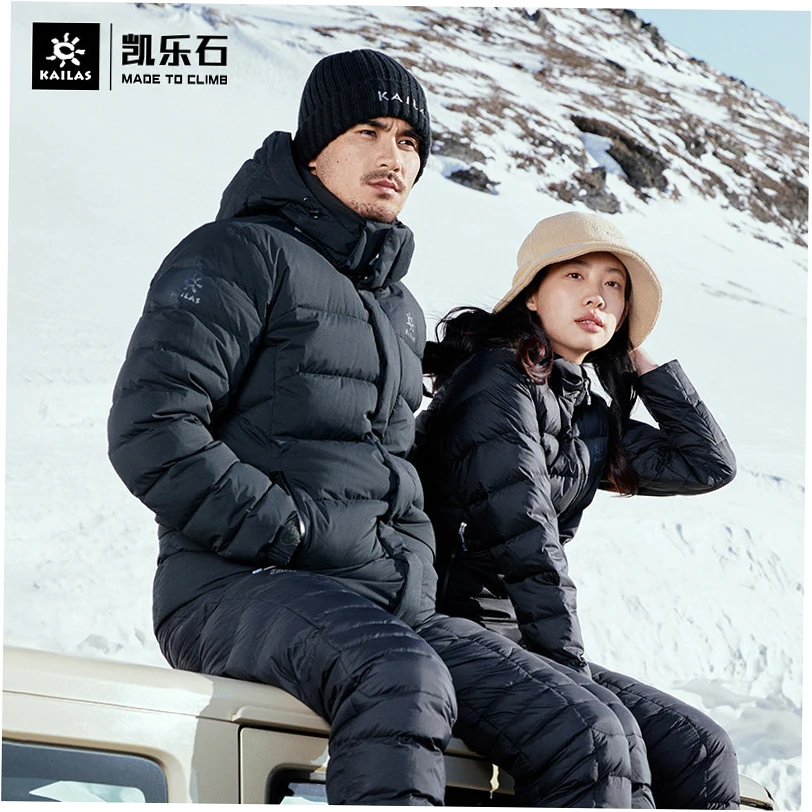
Why Air Pockets Matter More Than Fabric Weight
Materials are not irrelevant, they just matter mostly for moisture. Wool keeps insulating when damp, synthetics dry fast and move sweat away from skin, and cotton soaks it up before chilling you. A heavyweight fabric that wets out performs far worse than a light one that stays dry. That single fact explains most of the gap between people who stay comfortable outside and people who quietly endure winter.
Fit behaves the same way. A base layer should touch your skin without cutting off circulation, while each outer layer sits a little looser, stacking warm air pockets like a set of nesting bowls. That graduated fit is why the same three garments can feel right at 40°F and hopeless at 15°F depending only on how you have worn them.
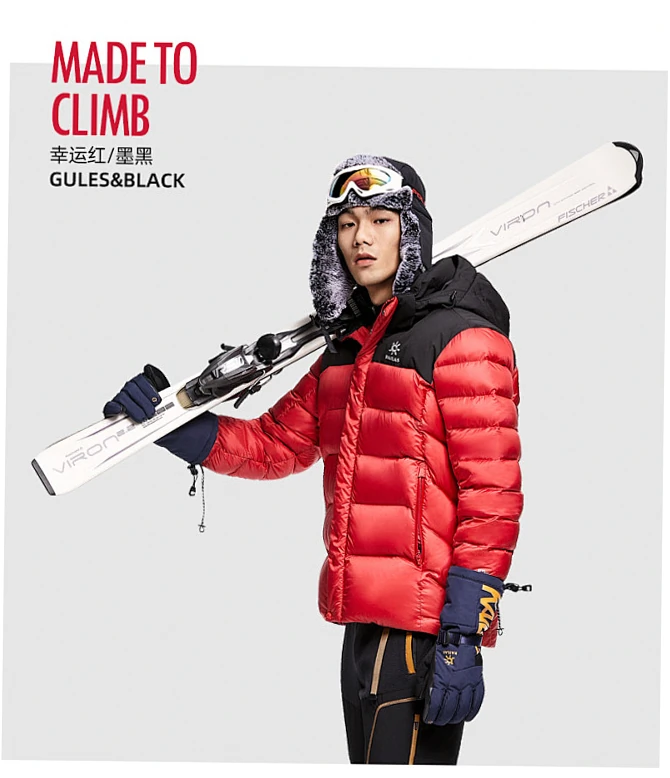
The Three Roles Every Winter Layer Plays
Every functional winter outfit answers three questions: what touches your skin, what holds heat, and what blocks the weather. Those roles map onto a three-layer winter clothing system, where each piece solves one problem instead of solving all three badly at once. Once that clicks, shopping gets cheaper, because you stop hunting for one heroic jacket and start buying ordinary pieces that cooperate with each other.
Adjustability matters more than maximum warmth. Overheating on the walk to the train leaves you damp, and damp clothing at 20°F is genuinely risky rather than merely uncomfortable. A layered setup lets you crack a zipper, shed a mid layer once you are indoors, or add fleece the moment the wind picks up on the platform.
| Layer | Main job | Typical fabrics | What to watch |
|---|---|---|---|
| Base layer | Move sweat off your skin | Merino wool, polyester, silk blends | Must fit close; cotton against skin is the biggest trap |
| Mid layer | Trap body heat and build air pockets | Fleece, down, wool knits | Must stay lofted; compression kills it |
| Outer shell | Block wind, rain, and snow | Hardshells, insulated jackets, windbreakers | Does not need to be thick, just windproof |
Which Layers Belong in a Winter Outfit
Base Layers That Wick and Fit Close
Treat your base layer as plumbing rather than insulation. Its job is moving moisture off your skin so the next layer can do its job properly. Merino wool, polyester blends, and silk all work, and the closer they sit the better the transfer. A baggy base layer bunches, rubs, and leaves cold spots under your arms and across your lower back.
Cotton is the one fabric worth actively avoiding against skin. It holds moisture instead of releasing it, so a sweaty walk becomes a cold, wet band against your ribs for the rest of the afternoon. Wool-blend base layers cost more, but they resist odor far better across a multi-day trip, and that matters more than most gear reviews care to admit.
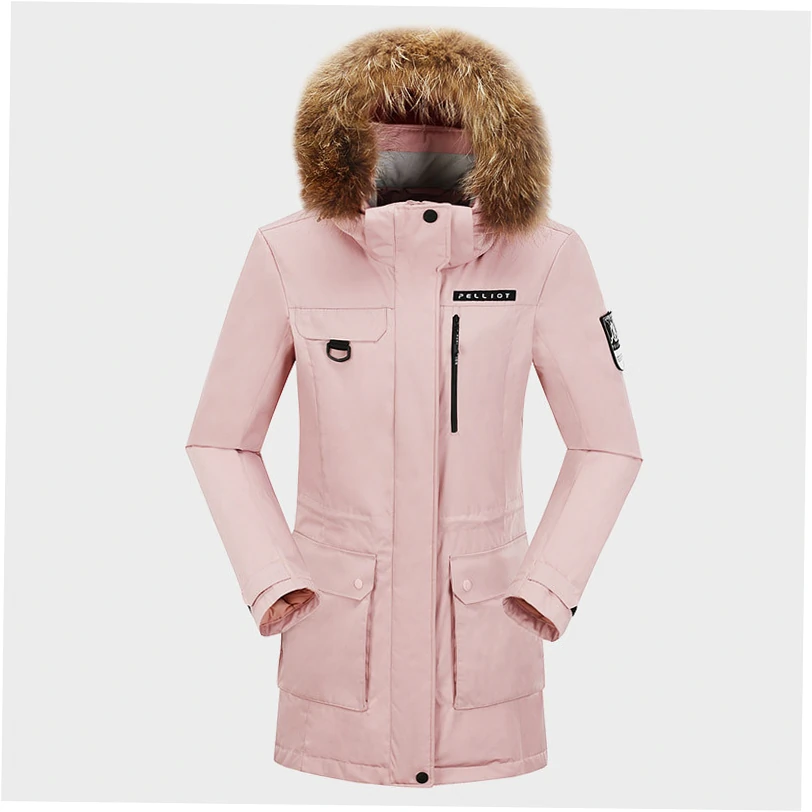
Mid Layers That Trap Body Heat
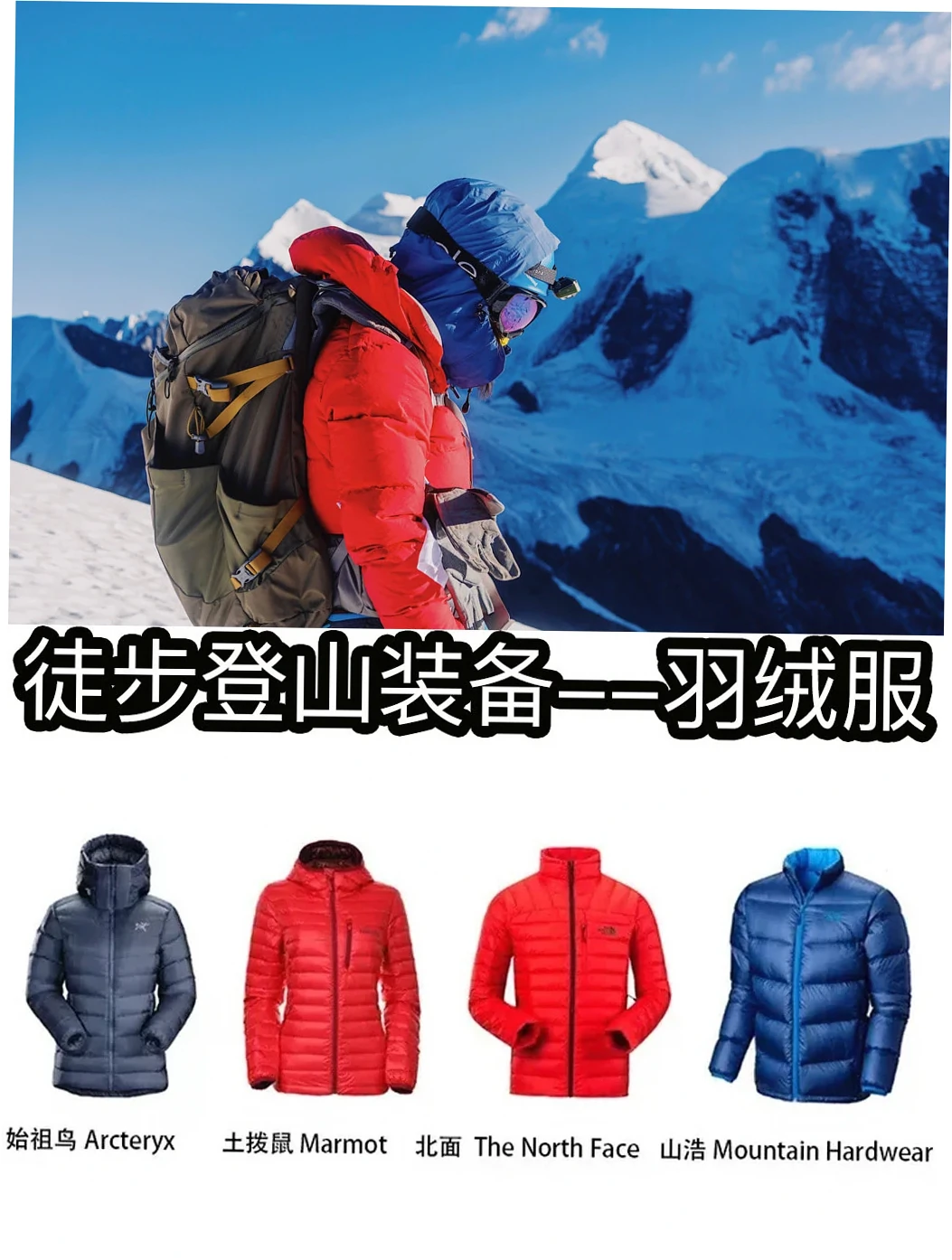
The middle layer is where warmth actually happens, and loft is the specification that counts. Fleece, light down, and chunky wool knits all trap air effectively. What matters is thickness and how freely it sits over the base layer. A mid layer that hugs too tightly loses the air pocket that makes it useful, so size up slightly if you plan to wear it over more than one thin layer.
Some people prefer one substantial mid layer, while others stack two thin ones. Both approaches work. Two thin layers give finer control on days that swing twenty degrees between morning and evening, while a single thicker piece is simpler to manage and packs down better when you are moving fast and stopping rarely.
Outer Layers and What Goes Under a Coat
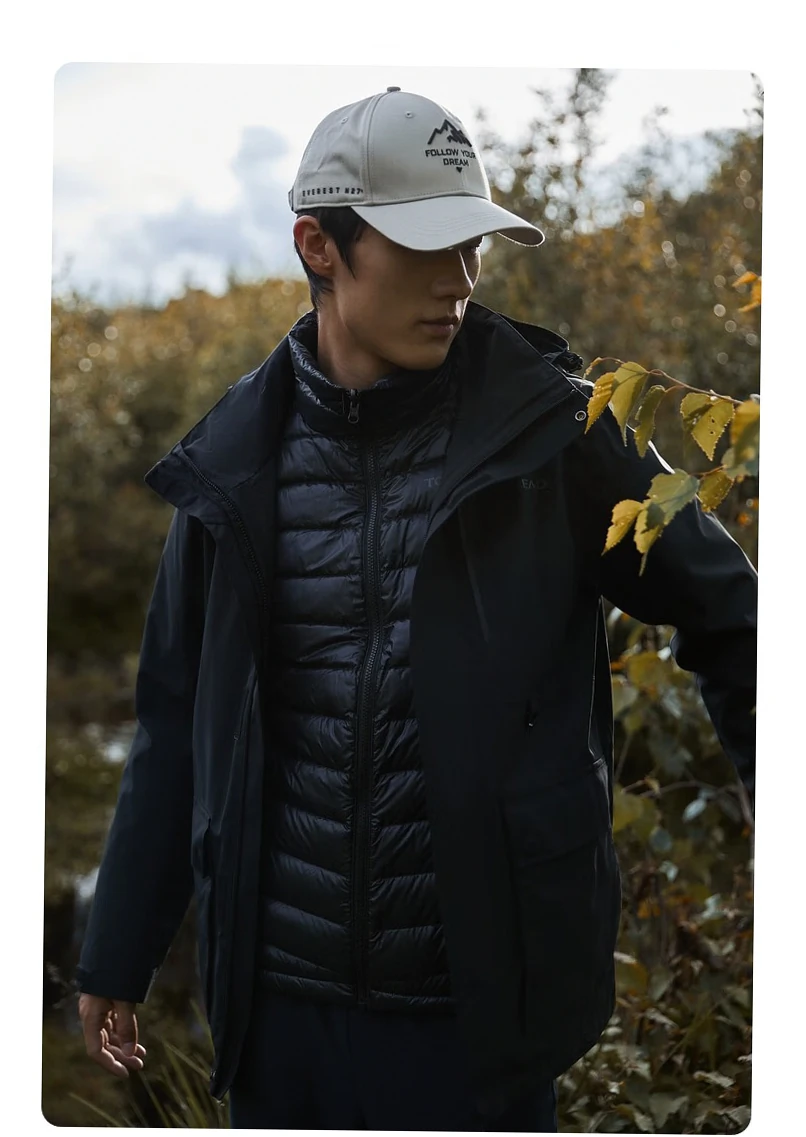
Your shell handles wind, rain, and snow, the three things that strip warmth fastest. A windproof shell over two modest layers usually beats a bulky coat over a t-shirt, because the shell keeps the warm air you already built from being scrubbed away. Look for sealed seams and an adjustable hood rather than a high fill number printed on the tag.
That logic barely changes for layers under a winter coat, since the coat itself now blocks wind and precipitation. You can drop the extra shell and let a mid layer carry more of the load. The mistake is treating a big coat as a replacement for structure instead of the final piece of it.
Accessories are not an afterthought. A hat, mittens or gloves, and a neck gaiter protect the extremities where circulation drops first, and they cost far less than another jacket. A scarf alone can change how a 20°F walk feels, because exposed skin at the neck and wrists loses heat very quickly.
Best Cold Weather Layer Combos by Temperature
| Conditions | Base layer | Mid layer | Outer layer | Extras |
|---|---|---|---|---|
| 40°F / 5°C, dry | Short-sleeve synthetic tee | Light fleece or sweater | Unlined jacket or softshell | Usually none |
| 30°F / -1°C, breezy | Long-sleeve merino or synthetic | Fleece plus thin knit | Lightly insulated jacket | Thin gloves, light hat |
| 15°F / -9°C, windy | Midweight top and leggings | Down or heavy fleece | Windproof shell over insulation | Hat, gloves, neck gaiter |
| 0°F / -18°C and below | Heavyweight base, full coverage | Down mid layer plus fleece | Hardshell with a parka-rated layer | Balaclava, mittens, insulated boots |
Mild Winter Days Around Freezing
Around the freezing mark you are managing sweat more than cold. One mid layer under an unlined shell covers most days, and the real risk is dressing for the temperature you feel standing still in the doorway instead of the temperature you will feel after ten minutes of walking. Start slightly cool and adjust as you go.
Sleeves matter here too. Push them up before you overheat, and pick a shell with pit zips if you run warm. People who consistently feel comfortable at 30°F are usually not wearing more clothing than everyone else, they are removing it earlier and more often.
Deep Freeze and Extreme Cold
Below roughly 10°F, priorities shift from adding pieces to eliminating gaps. Every cuff, collar, and waistband becomes a leak point where warm air escapes and wind sneaks in. Tucking your base layer into your waistband and overlapping your mid layer over it matters more than the thickness of any single garment you own.
The math changes again well below zero, where layering for extreme cold becomes about coverage instead of count. Exposed skin, metal zippers against your chin, and boots that are too tight all undercut an otherwise solid setup. If your feet go numb while your torso stays warm, the problem is usually footwear volume, not insulation quality.
Wet, Windy, and Slushy Conditions
Wet cold is harder to dress for than dry cold, because water conducts heat away roughly twenty-five times faster than still air. A waterproof outer layer stops the worst of it, but the real fix is redundancy. Carry a dry pair of gloves and socks, and swap them the moment they soak through, because wet insulation simply stops insulating.
Wind adds a second problem by pushing cold air through every weave and seam. A thin, fully windproof layer worn outside your insulation often beats adding a fourth sweater underneath, and it weighs almost nothing in a bag when the wind dies down later in the day.
How to Dress Warm Without Looking Bulky
Thin Fabrics With Serious Loft
Bulk is usually a symptom of poor fabric choice rather than an unavoidable cost of warmth. Down and high-loft synthetics trap more air per millimeter than heavy cotton fleece, and fine-gauge merino adds real warmth without adding visual volume. Choosing thinner, higher-loft pieces lets you keep the same layer count while looking noticeably slimmer.
Color and proportion help too. Dark mid layers under a darker coat break up the silhouette, and a coat that ends mid-thigh rather than at the knee often reads as less puffy even when the fill weight is identical. Practical warmth and a clean look are not actually competing goals once you stop equating thick with warm.
| Fabric | Warmth per thickness | Handles damp | Best suited to |
|---|---|---|---|
| Down (600–800 fill) | Very high | Poor when wet | Dry cold, low activity |
| Synthetic loft | High | Good | Active days and wet snow |
| Mid-weight fleece | Moderate | Good | Wearing under shells |
| Fine merino knit | Moderate | Good | Offices and commuting |
| Cotton sweatshirt | Low | Very poor | Dry, short trips only |
Office and Commute Outfits That Stay Slim
Commuting is the hardest layering problem, because you need warmth outdoors and respectability indoors. The workaround is making your visible layer do double duty. A fine merino sweater or a tailored quilted vest reads as office wear and insulates well, while the technical fleece stays buried in the layer nobody sees.
If dressing warmly without bulk is your main goal, tackle leg layers next. Thin fleece-lined tights or merino leggings under trousers add meaningful warmth and almost no visual weight, which is the single highest-return change most commuters can make before winter starts.
Common Layering Mistakes That Leave You Cold
Dressing Too Warm Before You Move
The most common mistake is wearing your coldest-weather configuration for a walk that will warm you up within ten minutes. Movement produces a surprising amount of heat, and once sweat soaks your base layer you stay cold for hours afterward. Start one layer lighter than feels right and add insulation when you stop moving.
Ventilation is free temperature control. Unzipping a shell, opening pit zips, or pulling off a hat before you sweat costs nothing and prevents the damp chill that ruins an otherwise solid system. Experienced winter walkers adjust constantly rather than dressing once in the morning and enduring the consequences all afternoon.
Compressed Layers and Tight Accessories
Tight is not warm. Elasticated cuffs that leave marks, narrow boot shafts, and waistbands that dig in all restrict circulation and flatten the air pockets you worked to build. Swap thick socks for a thinner pair plus roomier boots, and check that you can pinch fabric at your forearms and ankles without tugging hard.
Compression also happens invisibly under a snug coat. If your jacket fits tightly over three layers, you have effectively squeezed your insulation down to nothing. A shell should feel slightly roomy over your mid layer, with enough slack to raise both arms overhead without the hem riding up.
Layering vs One Heavy Parka: Real Trade-Offs
| Scenario | Standard advice | What wearers often report |
|---|---|---|
| Waiting for a bus | Layer up for flexibility | One big parka over a t-shirt works fine, and there is nothing to strip off indoors |
| All-day outdoor activity | A single heavy coat is enough | Layering is nearly irreplaceable because output changes hour by hour |
| Office commute | Treat layers as a portable thermostat | Peeling off four layers in a 70°F room is annoying and leaves you holding a pile of clothes |
| Below-zero cold | Keep adding layers | Returns diminish fast; eliminating gaps beats adding bulk |
Where a Single Heavy Coat Wins
If your winter is mostly short, stationary stretches such as waiting for a bus, walking to a car, or standing on a platform, one substantial parka over a normal shirt is genuinely simpler and often just as warm. There is nothing wrong with choosing convenience when your exposure is measured in minutes rather than hours.
Where Layering Wins
Layering wins whenever your activity level or environment changes during the day. Skiing, snowshoeing, hiking, and long commutes all involve temperature swings that a single coat cannot handle. Being able to strip down on a climb and add insulation at a windy summit is the entire point, and no parka replicates that flexibility.
The honest middle ground is what most experienced people actually do. They own one serious outer piece for stationary cold and a handful of thin layers for everything else, then choose based on the forecast rather than on loyalty to either approach.
Build a Layering System Around Your Day
Start by writing down your three most common winter scenarios: the commute, a weekend walk, and the coldest thing you do each year. Each one needs a different combination, and most people already own enough clothing to cover all three. Buying more gear is usually the last thing you need, not the first.
Test new combinations on short trips near home rather than on a full day out. Change one variable at a time, swapping a cotton base for merino, adding a wind shell, loosening your boots, and note what actually shifted. Two or three experiments usually reveal whether your weak point is your feet, your hands, or the gap at your waist.
Before spending on expensive shells, check the brand warranty and return policy. Reputable outdoor brands typically offer limited lifetime coverage on seams and zippers, and a generous return window matters when you are ordering layers you have never tried on. A layer that does not fit your body will not work, no matter how good the specification sheet looks.
Finally, keep a small repair kit and a spare pair of gloves in your bag from November onward. Dry gloves and working zippers matter more at 15°F than an extra hundred dollars of fill power, and the people who look effortlessly warm in winter have simply done that boring maintenance once and then forgotten about it.
Common Winter Layering Questions, Answered
How many layers do I actually need for winter?
Three is the working standard: a fitted base layer, an insulating mid layer, and a wind or waterproof shell. From there, activity and wind decide the rest. Standing still at 20°F might need four layers plus accessories, while a brisk walk at 35°F is comfortable in two. Judge by what you will be doing, not by a fixed number.
Is it better to wear two thin layers or one thick one?
Two thinner layers usually beat one thick one because you can remove half of the warmth without losing everything. The exception is a genuinely high-loft piece that traps a lot of air on its own. What defeats both options is compression, since squeezing layers flat removes the air that does the insulating work.
Why do I stay cold even with five layers on?
Two culprits dominate. Either your layers are tight enough to collapse the air pockets between them, or you have sweated through your base layer. Cotton makes the second problem much worse. Check the fit first, then the fabric, then whether exposed skin at your neck, wrists, or ankles is quietly leaking heat.
Do I need expensive gear to layer for winter?
Not at all. A cheap fleece, a synthetic base layer, and an ordinary windbreaker worn in the right order keep most people warm through a normal winter. Spend money where it changes your comfort the most: the layer touching your skin, your socks, and the one blocking wind. Everything between can be budget-friendly.
Can I just wear a regular cotton t-shirt as a base layer?
For a short dry trip, such as walking from a car into a building, cotton is fine. For anything that makes you sweat, it is a poor choice, because it holds moisture against your skin and then cools you rapidly once you slow down. Merino or a synthetic blend fixes this for very little money.
How should I layer for a commute that ends in a heated office?
Push your warmth into the invisible layers. Wear a merino base, add a thin fleece or light down mid layer, and finish with a coat that looks appropriate for work. Then remove the mid layer before you sit down. Technical shells and bulky fleece belong outdoors, not draped over an office chair all day.
Do thick socks actually keep my feet warm?
Only if your boots have room for them. Cramming thick socks into snug boots restricts circulation and often leaves feet colder than a thin pair would. A better setup is a thin merino or silk liner sock under a roomier wool sock, with enough toe room to wiggle freely. Warm feet also depend on warm legs above them.

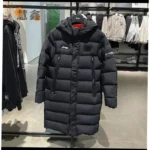
[…] 3 Layer System vs Heavy Parka: What Works […]
[…] after overdressing my torso and freezing my hands. If you want the wider framework, this guide to layering clothes for winter covers the basics, but extreme cold punishes the details nobody […]