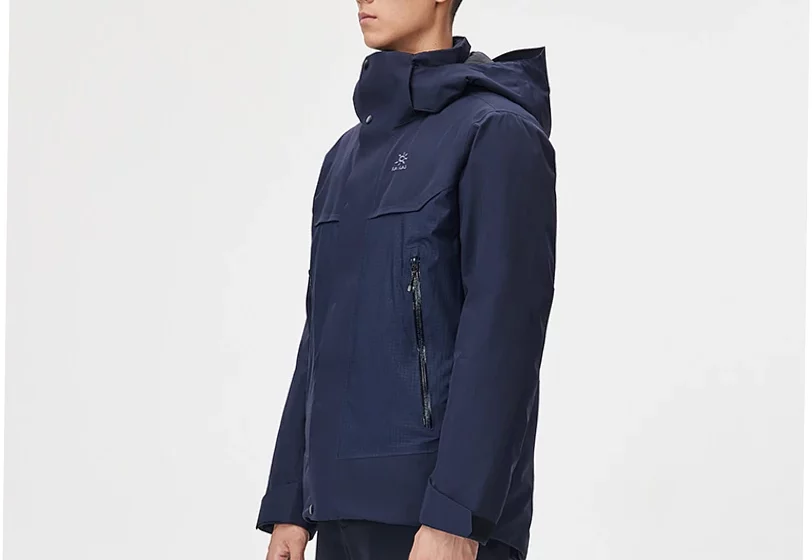

I rebuilt my minimalist winter capsule wardrobe last November with 28 pieces, and the change that mattered most wasn’t the number — it was planning complete outfits instead of buying isolated items. After four winters of trial and error, I’ll say this plainly: the item count is the least important decision you’ll make, and the outfit logic is the one that decides whether you still like your closet in February.
Table of Content
Why Minimalist Winter Capsules Beat Overflowing Closets
What a Minimalist Capsule Really Means
A minimalist winter capsule is a deliberately small, season-locked set of clothes where every piece works with the others: think 25 to 35 items, three or four colors, and no orphans that match nothing. The mechanism is simple arithmetic — a new piece has to combine with at least five existing ones. If you want the bigger framework first, a winter capsule wardrobe guide lays out the structure before you narrow it down.
The payoff is arithmetic rather than aesthetics: thirty pieces worn twice a week across five months adds up to roughly 1,300 wears, so cost per wear collapses fast. Fewer items also means less laundry sorting, faster mornings, and a rail where everything fits. Winter rewards this discipline more than summer, because coats and boots consume both space and budget.
The Outfit-First Rule Most People Skip
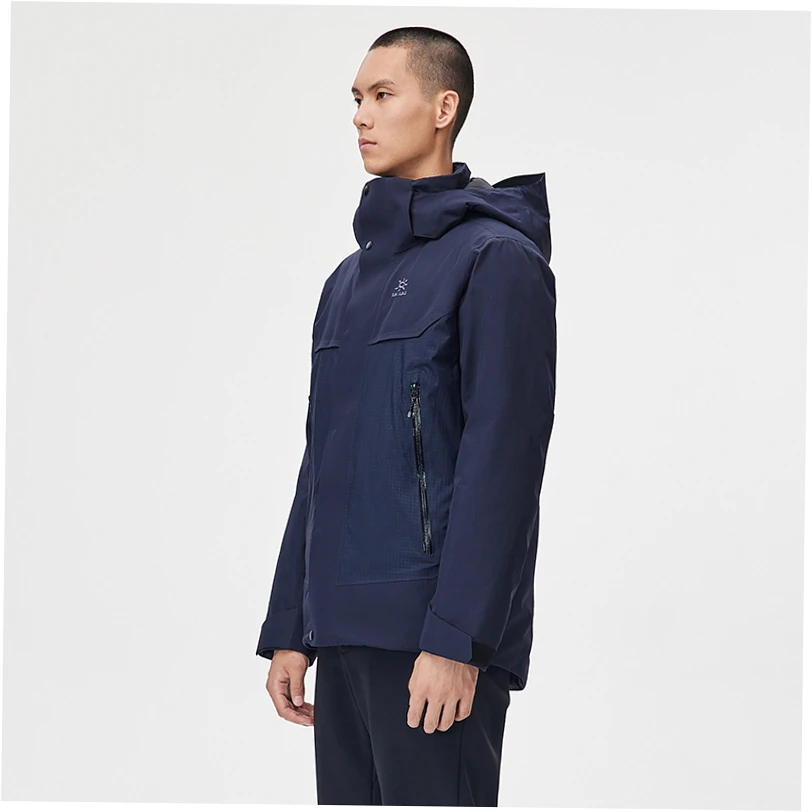
Plan head-to-toe outfits before you plan items. I sketch seven or eight complete cold-weather looks — boots to scarf — and then check how much those outfits actually share. That single shift, borrowed from people who abandoned item-count capsules altogether, kills the morning puzzle and stops me buying a beautiful sweater that completes nothing.
What long-term wearers keep reporting is that the relief comes from decided outfits, not from a small number. People who plan complete sets describe dressing as fun again; people who only count items describe a rule they eventually broke. That distinction shapes everything below, including how many pieces your winter genuinely requires.
| Approach | What you plan | Biggest strength | Where it breaks |
|---|---|---|---|
| Item capsule (33-piece style) | 33 items for three months | Laundry rotation stays simple | Orphan pieces never form outfits |
| Minimalist winter capsule | 24 to 34 season-specific pieces | Higher cost per wear, less clutter | Boredom by mid-February |
| Outfit-first planning | 7 or 8 head-to-toe looks | Almost zero morning decisions | Less mix-and-match freedom |
| Hybrid (my current setup) | 28 pieces plus 8 planned outfits | Variety and speed together | Needs a 60-minute seasonal review |
How to Build a Minimalist Winter Capsule
Start With Your Coldest Week
Build for your coldest realistic week, not your average one: pull out what you actually wore during last January’s worst seven days and count the layers. Most people discover that three bases, two mid-layers, one heavy coat, one pair of boots and two scarves already covered 90% of those days. Everything beyond that is comfort, not function.
Then audit honestly. I keep a one-page inventory of the essential clothes for cold weather in my own climate — insulated boots, a windproof outer layer, gloves that survive a bus stop — and record how often each item was worn. Anything under five wears in a season becomes a removal candidate rather than a sentimental keeper.
Counting Pieces Without Overthinking It
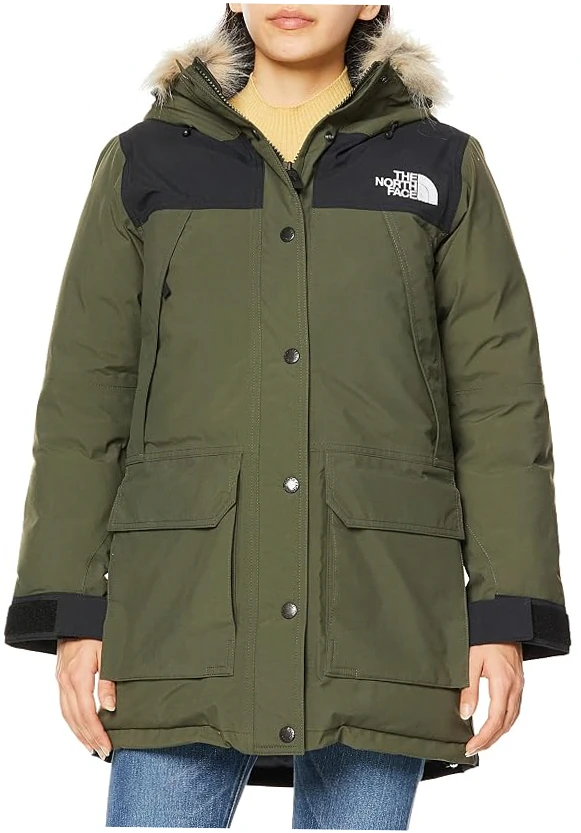
Let temperature set the count instead of a trend: a mild coastal winter needs 20 to 26 pieces, a continental one with real snow needs 30 to 36, and a severe prairie or Nordic winter justifies 40 including serious boots and a down parka. The number is an output, never a target you force.
Layer math keeps you honest: every garment above your base has to work with at least two other pieces, or it is a costume rather than a wardrobe. I test each candidate by building three outfits on the spot — one for work, one for a walk, one for dinner — before it earns rail space.
| Outside temperature | Base layer | Mid layer | Outer layer | Notes |
|---|---|---|---|---|
| 10 °C to 5 °C (50–41 °F) | Cotton or light merino tee | None needed | Unlined wool coat | Scarf optional |
| 5 °C to −5 °C (41–23 °F) | Merino long-sleeve | Fine knit or fleece | Lined wool coat | Add gloves |
| −5 °C to −15 °C (23–5 °F) | Thermal merino base | Sweater plus vest | Down or insulated parka | Wool socks and hat |
| Below −15 °C (below 5 °F) | Thermal base with liner | Heavy knit plus fleece | Parka with windproof shell | Face protection matters |
Which Winter Fabrics Earn Their Space
Wool, Cashmere, and Honest Blends
Fabric decides whether a small wardrobe survives real weather: fine merino traps warmth without bulk, lambswool resists pilling longer than most shoppers expect, and cashmere earns its price through weight and drape rather than raw heat. Blends are not cheating either — wool mixed with nylon or a little elastane holds its shape through constant wear.
The unglamorous part is care. Down needs infrequent washing and low-heat drying, cashmere needs hand washing and a de-pilling comb, and anything that must be dry cleaned adds a hidden annual cost. I check the care label before the price tag, because a fabric I cannot maintain will not survive a full season.
| Fabric | Warmth for weight | Pilling risk | Care effort | Best use |
|---|---|---|---|---|
| Fine merino wool | High | Low to medium | Machine wash cold, dry flat | Base layers |
| Lambswool | Medium to high | Medium | Hand wash or dry clean | Everyday sweaters |
| Cashmere | Very high | Medium | Hand wash, regular de-pilling | Lightweight mid-layers |
| Down, 600 to 800 fill | Highest | Not applicable | Wash rarely, dry on low heat | Outer layers |
| Recycled polyester fleece | Medium | Low | Machine wash, air dry | Active mid-layers |
Neutral Palettes That Still Feel Like You
Neutral does not have to mean beige and bored: charcoal, navy, camel, cream and one deliberate accent will mix into dozens of combinations. I keep a rough 80/20 split between neutrals and color, which makes neutral winter outfit ideas simple to assemble and easy to repeat without looking like a uniform.
Color logic also protects against impulse buys. If a piece cannot pair with three items already in the palette, it is a two-wear wonder no matter how good it looks on the hanger. I have donated several of those over the years, and each one taught the same expensive lesson about buying clothes in isolation.
Where Minimalist Winter Capsules Go Wrong
Capsule Fatigue Nobody Warns You About
Boredom is the real failure mode: by week eight, the same eleven combinations start feeling like a uniform, and that is when people quietly abandon the entire system. Planning variety in advance works far better than buying mid-season panic pieces that match nothing you already own.
I learned this the hard way two winters ago, when I bought three bright sweaters in one frustrated afternoon and wore each exactly once. Capsules rarely fail through too few items; they fail through restriction fatigue. Now I schedule one deliberate reset piece per season and treat it as maintenance rather than a loophole.
Shopping Drift and Hidden Costs
A capsule is not automatically cheaper: good wool, down and leather cost more per item, and dry-cleaning bills climb if you choose fabrics you cannot wash at home. The savings usually appear in year two, once the core holds and you stop replacing cheap layers every November.
Returns and warranties matter more than people admit. Before committing to a coat I check the return window, the repair policy and whether the brand stocks replacement buttons or zips, because a repairable coat outlives three disposable ones. A capsule only pays off when the pieces stay serviceable.
| Advice you hear | Expected result | What wearers report | What I do instead |
|---|---|---|---|
| Stick to 33 items | Effortless mornings | Counting alone feels restrictive, so people quit | Count outfits, not pieces |
| Buy only neutrals | Everything matches | Wardrobes feel flat by February | 80% neutrals, 20% accent |
| A capsule saves money | Lower annual spend | The first winter often costs more | Expect savings in year two |
| One capsule covers all | Fewer daily decisions | Work, weekends and events need separate rules | One capsule plus two event outfits |
Keep Your Winter Capsule Working All Season
Match the Capsule to Your Week
A capsule should mirror your actual week. If you commute three days and work from home two, build for the commute and let home days run the same base layers with softer bottoms. Shopping for an imaginary social calendar is the fastest route to owning clothes you never wear.

Repair, Rotate, and Track Wear
Treat upkeep as part of the system: rotate two coats rather than exhausting one, air knitwear between wears, and re-stitch hems before they fail. I log wear counts in a notes app, so anything below five wears by March either gets altered into something useful or leaves my closet for good.
When a Capsule Is Not for You
Capsules suit people who dislike decisions, but they are not universal. Anyone in a client-facing role with a strict dress code, or someone who genuinely enjoys daily variety, may do better with planned outfits and a looser item count. Honest limitations beat forcing a system that makes you dread getting dressed every morning.
Common Questions About Minimalist Winter Capsules
How many pieces should a minimalist winter capsule wardrobe have?
Most people land between 24 and 34 pieces for a full winter, including outerwear, shoes and accessories. The number depends on your climate and laundry access more than on any rule. I would rather see someone with 40 items worn constantly than 25 items they quietly resent, because wear rate is the only metric that truly matters.
Is a minimalist winter capsule wardrobe actually cheaper?
Rarely in the first year. Quality wool, down and leather carry higher upfront prices, and tailoring or repairs add more on top. The savings arrive in years two and three, when you are not replacing thin fast-fashion layers every November. Track your spending across two winters before deciding whether the economics worked for you.
Can I wear the same winter capsule to the office and on weekends?
Partly. Shared base layers and outerwear do most of the work, but office and weekend wardrobes usually need different bottoms and shoes. I keep one capsule plus two or three predetermined event outfits, which covers weddings and funerals without polluting the everyday rotation with pieces I never wear.
What is the biggest mistake people make when starting?
Buying a fixed number of items before planning outfits. The second mistake is choosing fabrics you cannot maintain, which turns a careful purchase into a dry-cleaning subscription. Start with your coldest week, sketch complete outfits on paper, and let the piece count fall out of that exercise rather than driving it.
Does a minimalist capsule work in very cold climates?
Yes, with real insulation rather than clever layering. Below minus fifteen degrees you need a windproof shell, genuine down or heavy wool, and boots rated for ice. Capsules work badly when people keep the count low by choosing thin fashion coats instead of equipment actually built for the temperature.
How do I stop getting bored with a winter capsule by February?
Plan a mid-season reset instead of improvising one. I add a single accent piece in January, swap scarves and hats, and rotate two coats so neither goes stale. Wear tracking helps too, because seeing your ten most-used combinations makes it obvious what genuinely needs refreshing.
Sources and further reading:
Courtney Carver’s Project 333, the widely copied 33-item, three-month challenge, remains the most cited benchmark for capsule wardrobes. The Ellen MacArthur Foundation’s A New Textiles Economy (2017) reported that clothing utilisation has dropped sharply while under 1% of the material used to make clothing is recycled into new clothing — the strongest available argument for buying fewer, better winter pieces. As Vivienne Westwood put it, quot;buy less, choose well, make it last. quot;