
I spent three winters looking like a toddler in someone else’s coat before I cracked how to style oversized winter coats: keep the shoulders fitted, expose the wrist, and let the volume live in the body rather than the seams. That one adjustment turned a shapeless size-up wool coat into the piece I grab every morning. Longer silhouettes obey the same logic, which is why proportion drives styling a long winter coat just as much as drama does. Here is what I actually wear, tailor and re-wear.
Table of Content
Why Do Oversized Coats Swallow Petite Frames?
Blunt answer: volume without anchor points reads as borrowed clothing. An oversized cut only looks deliberate when something on your body stays defined, whether that is your shoulders, your wrists or your ankles. Once every measurement floats, the eye stops seeing style and starts seeing someone wearing a bigger person’s coat. Wearers of petite frames describe the same trio of fixes again and again: fitted shoulders, a hem at or before the wrist, and a drape that hangs down rather than spreading sideways.
The Shoulder Seam Rule That Changes Everything
Check the shoulder seam before length, colour or price: it should land on your natural shoulder line or no more than two centimetres past it. Anything wider collapses the silhouette inward, which is exactly why standard sizes so often need shoulder tailoring. I have every oversized wool coat I own adjusted at the shoulder, wrist and lightly at the hem, because volume that belongs to your body beats volume that owns you.
If chasing a slimmer silhouette in winter clothes is the goal, this logic matters even more, because good oversized tailoring separates cosy from costumey. Extra fabric across the back and shoulders adds visual mass, while a clean shoulder line and a visible wrist pull attention back to your real frame. Buying big and then having the coat adjusted sounds contradictory, yet it is the entire secret.
Where Lapels and Hem Land
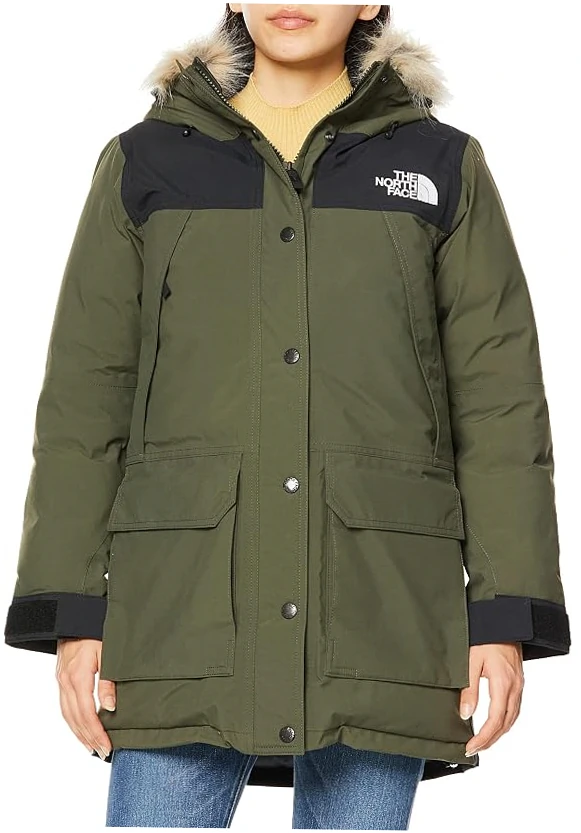
Lapel height quietly decides whether a coat lifts you or drags you down. Low, wide lapels on a big coat pull the chest downward, and on a shorter torso that effect is merciless, so single-breasted cuts with a higher notch usually work harder. Hem placement matters just as much: mid-calf flatters most heights, ankle length works once the shoulder is tailored, and anything grazing the top of your shoe asks for heels or platforms.
Which Oversized Silhouette Actually Suits You?
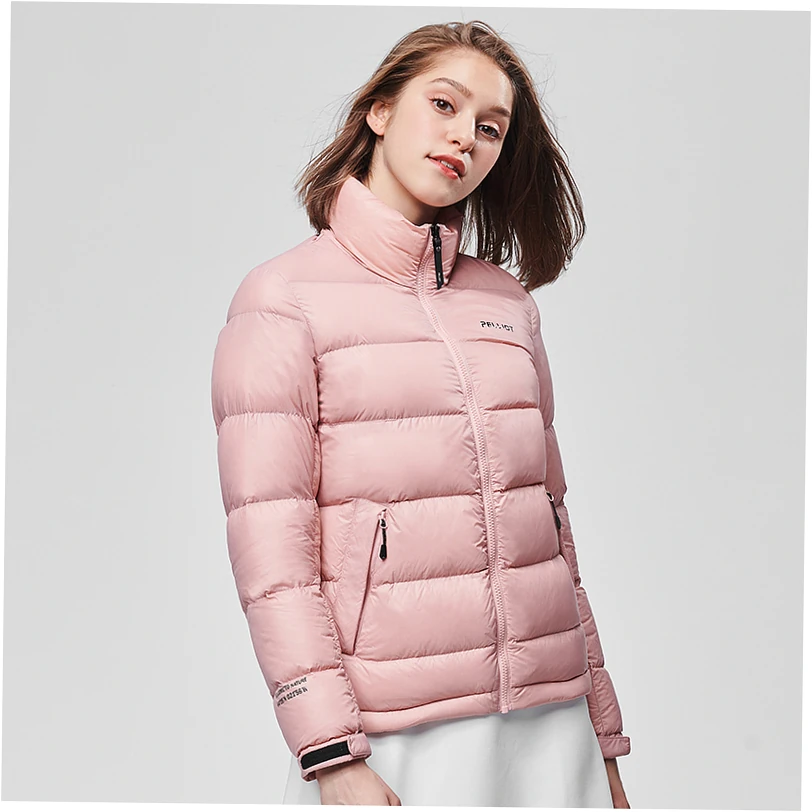
Not every oversized coat is oversized in the same way, and mixing those ways up is where styling goes sideways. Volume placed at the back reads elegant; volume spread across the sides reads padded. Before blaming your height or your frame, work out which cut you are actually wearing, because a cocoon coat and a slouchy overcoat behave like completely different garments even when both run a size large.
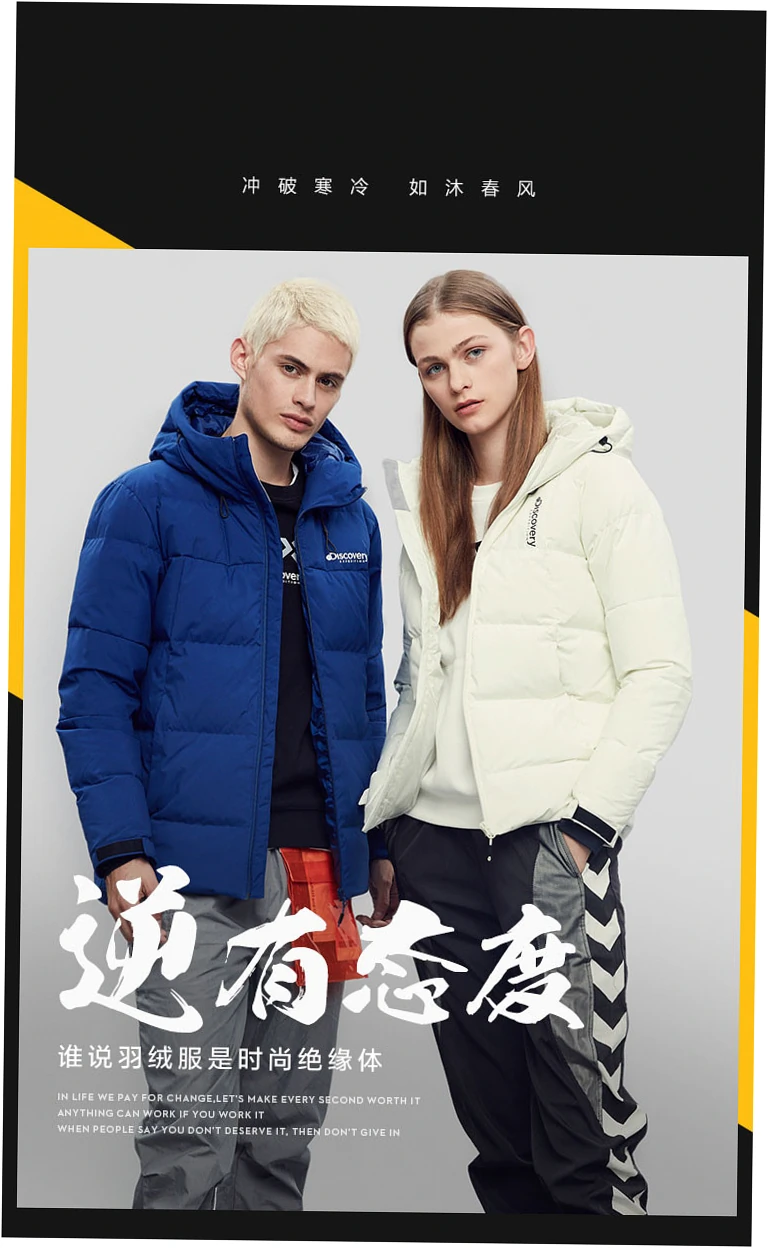
Cocoon, Robe, Trench or Slouchy Overcoat?
| Cut | Where volume sits | Works best for | Main risk |
|---|---|---|---|
| Cocoon coat | Back and hips | Hiding the waist on casual days | Hips can read wider |
| Robe coat | Open front wrap | Dressing up or down quickly | Pools open without a belt |
| Structured oversize trench | Shoulders and full length | Ankle-skimming drama in wind | Needs shoulder tailoring |
| Slouchy wool overcoat | Soft drape through the body | Everyday commuting | Looks shapeless when sleeves run long |
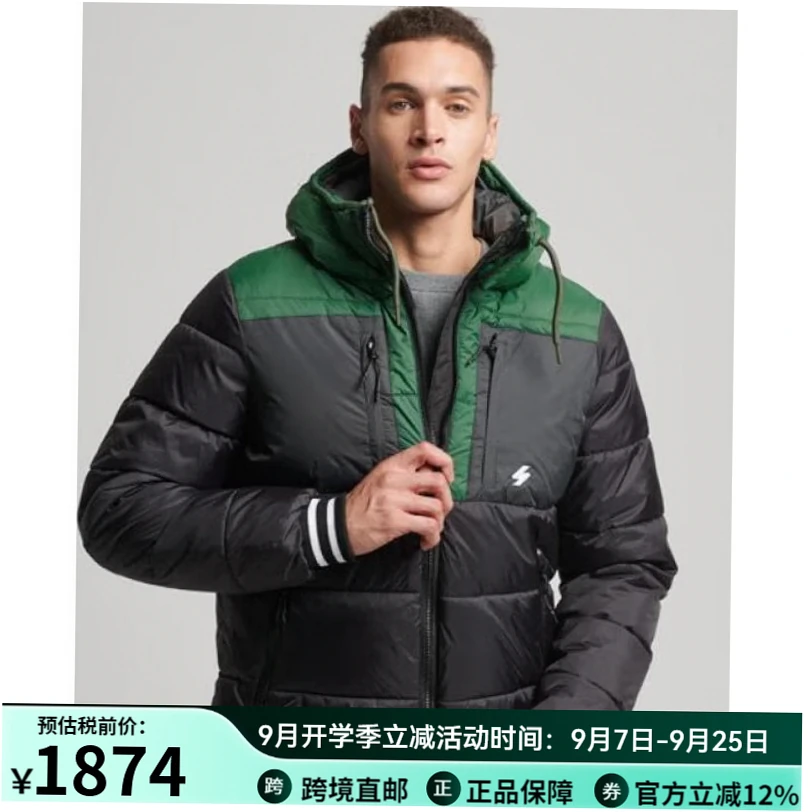
| Oversized puffer or parka | Uniform all-round padding | Deep cold and gusty streets | Adds visual mass everywhere |
Read that table as a map rather than a ranking. Cocoon shapes hide the waist but can widen the hips, robe coats need a belt or they pool open, and a structured ankle-skimming trench holds its line in wind while giving you real drama. Slouchy wool blends are the easiest everyday option, while oversized puffers trade sharpness for pure warmth and ask for a leaner leg line underneath them.
Oversized Cuts vs Fitted Cuts: Real Trade-offs
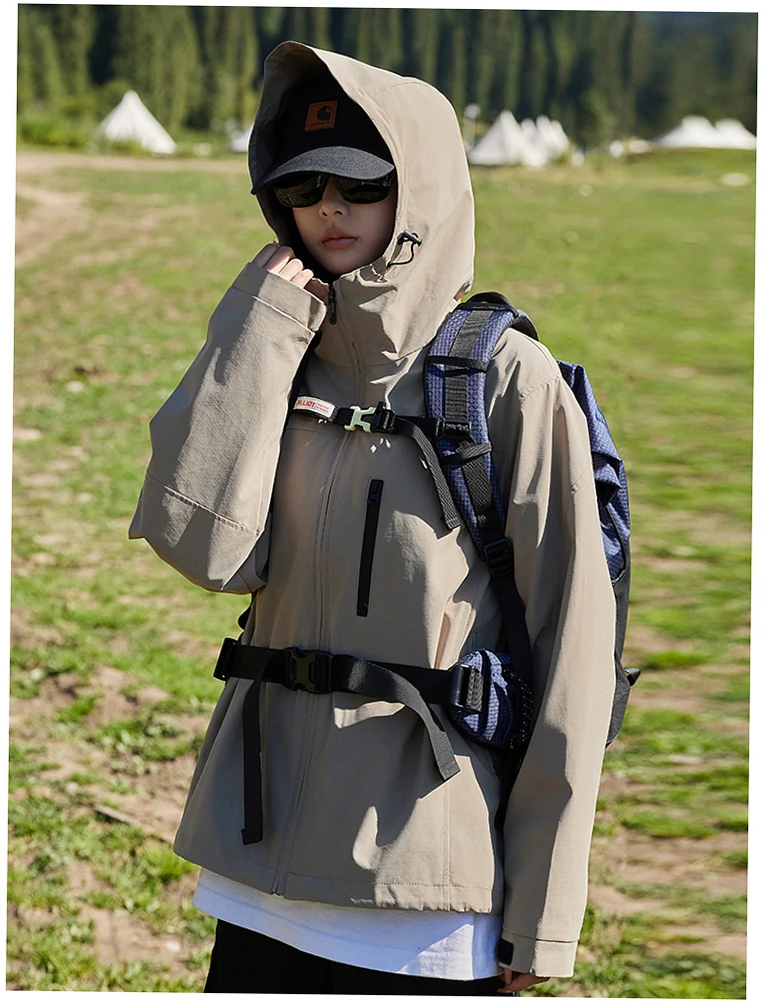
Fitted coats flatter instantly and photograph beautifully, but they limit what fits underneath, so you end up choosing between warmth and shape. Oversized cuts solve layering and deliver that easy dramatic line, at the cost of needing tailoring and discipline elsewhere in the outfit. Most people who own both keep one structured fitted piece for occasions and one genuinely oversized coat for the cold daily commute.
How to Layer Under Oversized Winter Coats
Layering is where oversized coats earn their keep and also where they go wrong. My rule: thin, warm base layers close to the skin, one substantial mid-layer, then the coat as the shell. Bulk belongs in the coat, never in the shirt, because three chunky knits under a big coat produce exactly the puffed-up mirror moment everyone dreads, warm but shaped like a tyre advert.
Match Your Layers to the Temperature
| Outside temperature | Base layer | Mid layer | Finishing touches |
|---|---|---|---|
| 10C to 5C | Long-sleeve tee | Light sweater | Coat worn open |
| 5C to -5C | Merino or heat-tech | Cashmere or thin fleece | Scarf and gloves |
| -5C to -15C | Thermal base plus fleece | Chunky knit or thin down vest | Windproof shell, hat |
| Below -15C | Thermal base plus fleece | Down vest under knit | Two-way zip fully closed |
Treat the chart as a starting point and adjust for wind, terrain and how far you actually walk. Heat-tech or merino base layers do most of the work below freezing, cashmere punches above its weight for its thickness, and fleece belongs in the mid-layer slot rather than against your skin. Layering under a winter coat matters far more than the coat’s own bulk once temperatures drop properly.
What Goes Under the Coat, Not Over It
Below the coat, keep the line lean: straight-leg trousers, thermal leggings or slim jeans all read cleaner under volume, and a wide leg only works when the coat is cropped or belted. Footwear should add weight, because delicate shoes vanish beneath an oversized hem. Anything tucked under the coat should sit flat across the waist instead of bunching, since bunched fabric shows through the drape.
Mistakes That Make Oversized Coats Look Sloppy
Most oversized coat regret comes from three places: buying volume without a tailoring plan, judging fit in a heated fitting room, and letting accessories fight the silhouette. The coat itself is rarely the problem. What usually fails is the missing adjustment and the styling built around it, and both are fixable long before you spend money on a replacement you will like just as little next winter.
Buying Big Without a Tailoring Plan
Size up for layering, yes, but only if you accept the second cost, which is alteration. Shoulder seams, sleeve length and hem depth are the three adjustments that decide whether a big coat looks intentional. Budget roughly ten to fifteen percent of the coat price for tailoring and treat it as part of the purchase. Many tailors favour traditional fits, so bring photos of the silhouette you want.
Trusting the Mirror in a Heated Store
Fitting rooms are warm, brightly lit and angled for flattery, which hides drag and bulk. Take the coat outside, walk twenty steps, sit down, then raise both arms overhead. A well-cut oversized coat stays roughly in place through all three; if the shoulders ride up towards your ears or the hem swings into your knees, that volume is fighting your body rather than draping over it.
What Wearers Report vs What Brands Promise
| Common guidance | Real wearer experience | Practical fix |
|---|---|---|
| Size up so chunky knits fit underneath | Too much fabric drowns shorter frames and the coat gets returned | Size up once, then tailor shoulders and sleeves |
| Winter coats are not designed to flatter your figure | A defined shoulder and a visible wrist still read slimmer | Anchor one point: shoulder, wrist or ankle |
| Relaxed shoulders and low lapels are the trend | Low lapels drag the torso down on petite frames | Choose a higher notch and lift the shoulder seam |
| Trust the tailor to tell you if the fit is wrong | Many tailors only accept traditional fits and push back on volume | Bring reference photos before the fitting |
| A two-way zip solves movement | An open hem lets cold air rush in on windy streets | Unzip from the bottom only while walking or driving |
The pattern there is hard to ignore. Standard guidance optimises for warmth and durability, while real wearers optimise for proportion, and those two goals only align when the coat is adjusted to the person inside it. Wind and cold are honest testers: one walk through a January gust tells you more about drape and fit than any floor-length mirror ever will.
Build an Oversized Coat Outfit That Works
Here is the sequence I run every autumn, and it takes about an hour. Pull out your oversized coat, put on the outfit you would genuinely wear beneath it, then photograph yourself from the front, side and back. Photos expose proportion problems instantly, in a way mirrors politely hide. Fix in this order: fit first, then layering, then accessories, then footwear.
Start With the Shoulder and Wrist Test
Confirm two things before anything else: the shoulder seam sits where your shoulder ends, and your wrist stays visible with arms hanging. If either fails, that is tailoring work rather than styling work. A visible wrist, an exposed ankle or a firm shoulder line each act as an anchor point, and one anchor is usually enough to make an oversized silhouette look like a decision instead of an accident.
Style Everything Else Around the Coat
Treat the coat as the outfit and keep the rest quiet. The best pants for winter jackets are structured rather than soft, so straight trousers or slim jeans with boots hold a clean line under volume, while leggings with sneakers suit gentler days. A high crossbody strap or a belt at the natural waist interrupts the fabric deliberately; narrow scarves fill the neckline without bulking the collar.
One Coat In, One Coat Tailored
My rule for building a rotation: every new oversized coat gets tailored within two weeks or goes back to the shop. Unworn coats usually mean an unfixed fit rather than a bad style. If three already hang in your wardrobe untouched, pick the one with the best shoulders, have it adjusted, and wear it for a full week before buying anything else. Most people discover the coat was fine all along.
Oversized Winter Coat Styling FAQ
How do I style an oversized winter coat if I am short?
Fit beats styling for short frames. Keep the shoulder seam on your natural shoulder, choose a hem between mid-calf and just above the ankle, and make sure your wrist stays visible. Then keep the bottom half lean: straight trousers or thermal leggings with chunky boots. Wide-leg trousers under a long oversized coat usually shorten you further, so save them for a belted, shorter cut.
Should I size up and tailor, or just buy my normal size?
Buy the size that fits your shoulders and tailor the rest if you plan to wear chunky knitwear underneath. Sizing up twice for sweater room usually backfires, because the shoulders widen beyond what most tailors can reduce without rebuilding the coat. One size up plus shoulder and sleeve adjustments is the sweet spot for most bodies.
Can an oversized coat still keep me warm?
Yes, and often better than a tight one, because trapped air insulates. Two caveats: the collar and cuffs need to close against wind, and a hem that flaps wide open lets heat escape. A two-way zip helps, but unzip from the bottom only while walking or driving. Windproofing matters more than volume, so check the outer fabric and the closures.
Do belts, bags and scarves help or hurt an oversized silhouette?
They help when they interrupt the volume in one clear place, such as a belt at the waist, a strap high on the chest or a narrow scarf at the neck. They hurt when several compete at once. Honestly, I stopped carrying a shoulder bag with my biggest coat because the strap kept dragging the collar off-centre. One accessory with a job is enough.
How much should I expect to pay for tailoring an oversized coat?
Shoulder work is the expensive part, usually more than a hem. As a planning figure, set aside ten to fifteen percent of the coat price; a simple hem and sleeve shortening sits at the lower end, while shoulder adjustments push higher. Ask for a quote before committing, and find a tailor who has handled intentionally oversized garments rather than only traditional fitted styles.
What pants and shoes work best with an oversized winter coat?
Structured, straight or slightly tapered trousers with chunky boots are the safest combination, because they hold a line under all that fabric. Slim jeans with ankle boots work on shorter frames, and long skirts need a heel or a platform so the hem does not swallow them. Avoid very wide, soft trousers in the same colour as the coat unless you want one continuous shape.
Is an oversized coat worth it if I only get four months of winter?
If your winters are mild, the payoff comes from layering flexibility rather than raw warmth. An oversized wool coat worn over a light sweater covers autumn through early spring, and the same coat with a thin down vest underneath handles a genuine cold snap. If you rarely dip below freezing, a fitted coat will probably give you more wear per dollar.