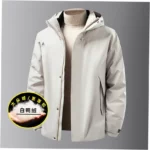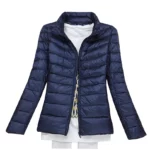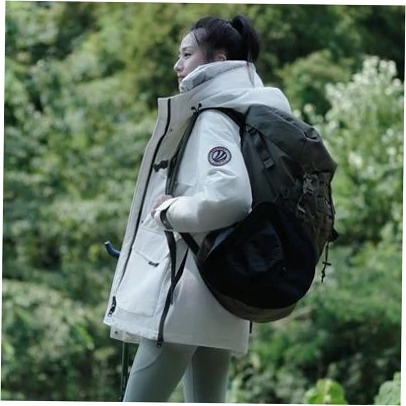

I spent ten Januarys looking like a duvet with legs before I worked out how to look skinny in winter clothes, and the answer is almost never wearing less: it is controlling where the volume sits. Fit beats fabric weight, vertical lines beat horizontal puff, and one deliberate bit of waist definition does more than any crash diet. Once styling a long winter coat clicks, everything underneath reads slimmer.
Table of Content
Why Winter Clothes Make You Look Bulky
Bulk is rarely caused by one heavy item: it comes from stacking pieces that each add width at the same point on the body. A chunky knit, then a ribbed vest, then a padded coat triples the circumference of your torso, and no amount of posture fixes geometry. The slimming move is to push warmth toward places where width does not matter — legs, feet, neck — and keep the torso line close.
The Bulk Equation: Fabric Weight vs Cut
Thin, dense fabrics win almost every time: merino, cashmere and fleece-lined tights deliver serious heat at a fraction of the thickness of chunky acrylic knits, and they compress instead of ballooning. Of two sweaters with comparable warmth, the tighter-gauge one with a defined shoulder seam photographs narrower. Look for OEKO-TEX Standard 100 or Responsible Wool Standard labels if you also care how the fiber was produced.
Cut matters as much as weight. A boxy hem that lands mid-hip chops your torso into two short blocks, while a hem that stops at the hip bone or falls below the widest part of your hip keeps one continuous line. If you fix one thing this winter, fix hem length.
| Fabric | Warmth per millimeter | Added visual width | Best placement |
|---|---|---|---|
| Chunky acrylic knit | Low | High | Rarely worth it |
| Fine-gauge merino or cashmere | High | Low | Torso, tucked in |
| Fleece-lined tights | High | Very low | Legs, under trousers |
| Down or synthetic puffer (600 fill power) | Very high | High but compressible | Outer layer only |
| Sherpa fleece | Medium | High | Avoid under coats |
Why Fit Beats Size Every Single Time
Sizing down is a trap I fell into for years: a too-small coat pulls across the back and creates horizontal wrinkles that read as width. The real rule is that oversized elements earn their place only when the rest of the outfit is fitted. A dropped shoulder, an extra-long sleeve and a crew neck can each survive alone, but stacked in one knit they erase your shape completely.
Which Warm Layers Slim Without Freezing You
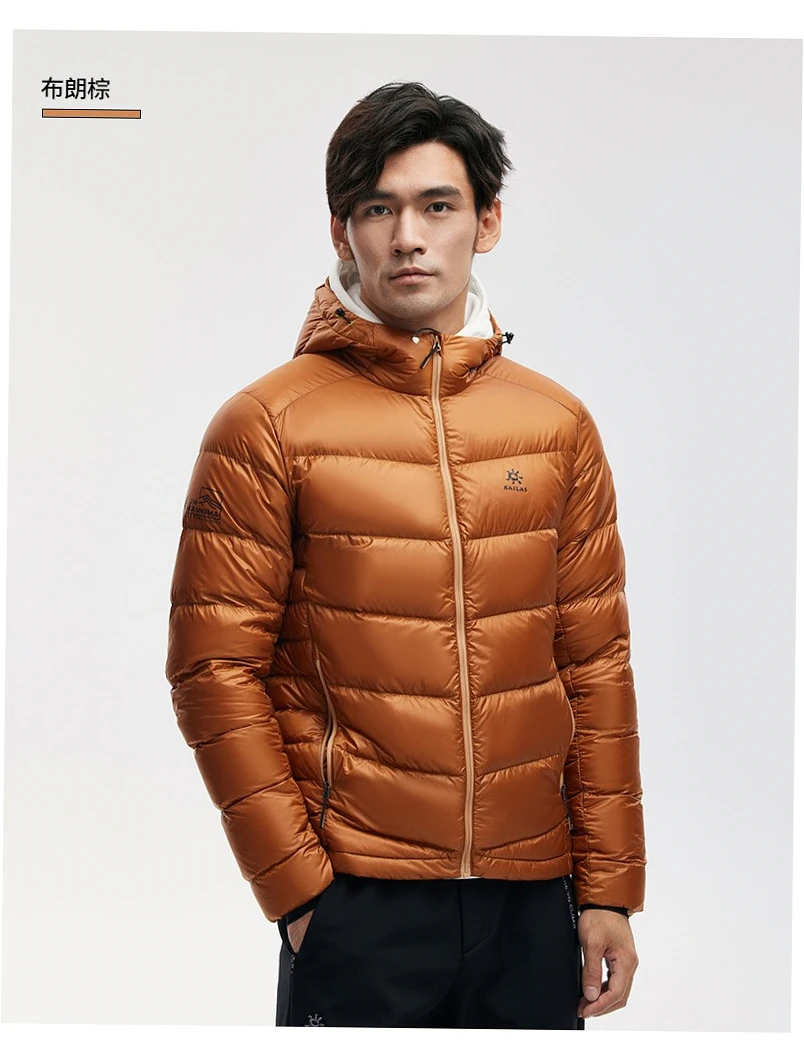
Most of the skill in dressing warmly without looking bulky lives in the first layer, the one nobody sees. Thin thermal tops, silk or merino long underwear and undershirts with 5–7% spandex add measurable warmth while adding roughly a millimeter of width, and they stop you from piling on three sweaters because you are still cold.
Base Layers That Vanish Under Everything
Fleece-lined tights and wool long underwear under wide-leg trousers are the biggest cheat code in cold-weather dressing: they let you keep wearing the looser bottoms that actually flatter you. Avoid thick fleece backing around the waist if you bloat easily, because high-waist compression versions dig in after lunch and leave a visible ridge under fitted knits.
Mid-Layers That Hold Their Shape
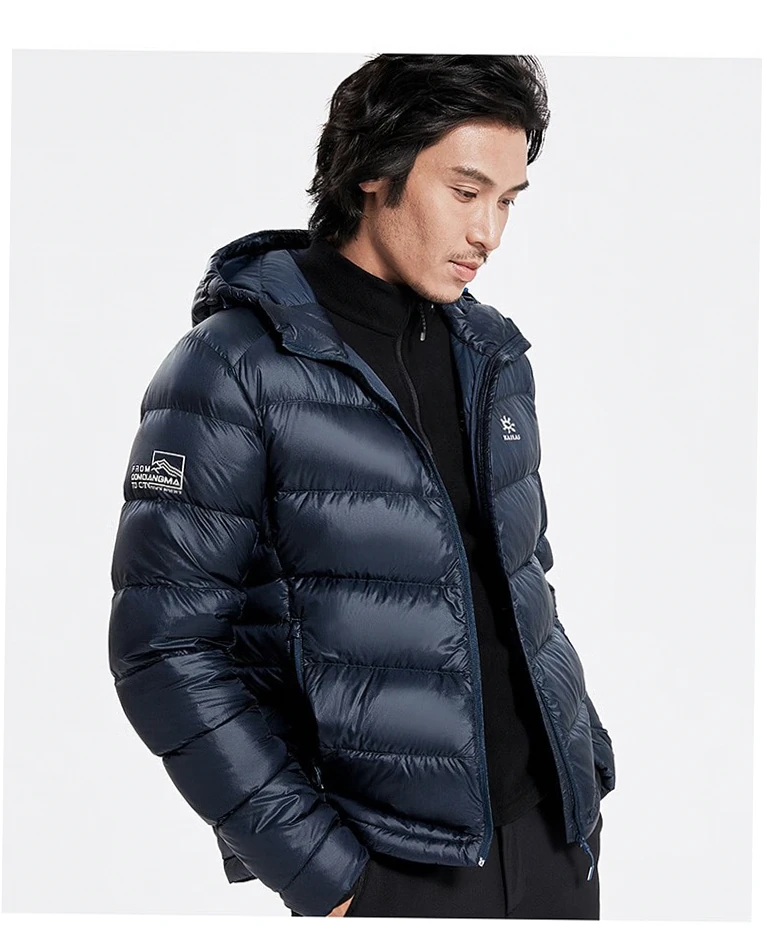
Body-hugging turtlenecks tucked into high-waisted jeans are the most repeated formula in winter styling for a reason: the tucked waistline creates a visual break that reads as a waist rather than a block. Boat necks and wide scoop necks do the opposite, leaving your collarbone area open and cold while adding nothing back.
Cashmere and fine merino crews are worth the money here, since one dense layer at the neck keeps you warm enough to skip the bulky scarf indoors. Ribbed knits offer stretch without shine, and they photograph slimmer than flat synthetic jersey every time.
Outerwear That Draws a Vertical Line
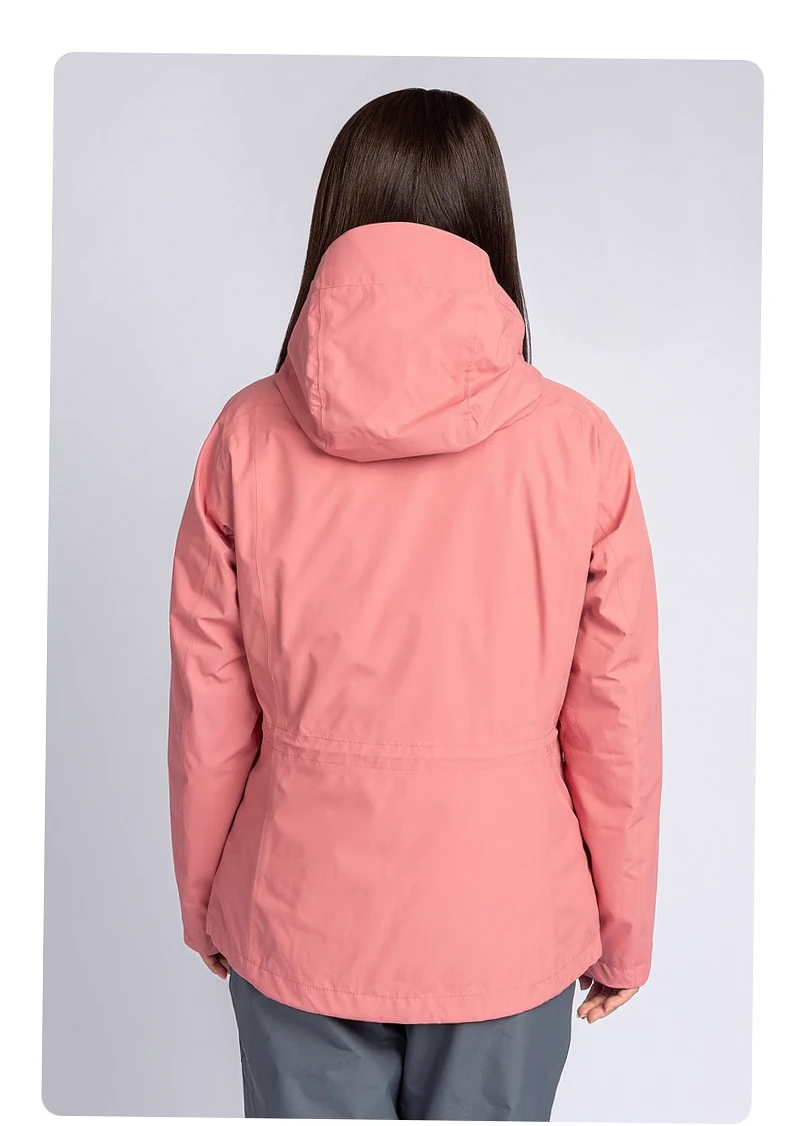
A long, simple coat in one dark or regal tone does most of the work in the outfits people actually compliment, because a straight vertical edge from shoulder to knee outranks a cropped puffer. Single-breasted beats double-breasted on small frames, and an open coat in transit accidentally reveals a narrow column of torso that reads slimmer than a zipped one.
| Layer combination | Warmth level | Added width | Works best for |
|---|---|---|---|
| Thermal top fine knit long wool coat | High | Low | City commuting, -5°C to 5°C |
| Turtleneck vest puffer | Very high | High | Extreme cold, -15°C and below |
| Thermal top sweater unlined wool coat | Medium | Low | Mild winter, 0°C to 10°C |
| T-shirt chunky knit parka | Medium | Very high | Low-movement days |
How to Balance a Slim Winter Silhouette
Silhouette is a ratio game. You want one narrow element next to one wider element, never two wide ones stacked and never two tight ones competing for space. Once that logic lands, outfit decisions get faster and, frankly, cheaper.
Fitted Top, Wider Bottom — and the Reverse
Loose high-waisted trousers leave room for tights and high socks while a fitted top balances the look and rebuilds a waist. Flip the formula for pear shapes: a slim straight-leg trouser under a slightly A-line coat creates the same contrast. What breaks it is a wide top over a wide bottom, which is why oversized sweaters plus wide-leg jeans often look heavy in winter photos.
Waist Lines, Belts and Long Coats
Belting a long coat is the fastest waist definition available, but only when the coat’s own seam sits at your natural waist. A belt placed under a dropped-waist coat just adds a horizontal line across your hips. Mid-layered belts over thin cardigans work too, as long as the knit is slim enough that the belt does not create a shelf.
Boots That Keep Your Legs in One Line
Boots that cut the leg in half, which most ankle and Chelsea boots do on shorter frames, visually shorten everything above them. Sock boots in a tone close to your trousers or tights keep one continuous line instead. Wide-silhouette boots over leggings handle snow, while a heeled sock boot covers office days.
Mistakes That Add Winter Bulk Instantly
If an outfit feels heavy and you cannot say why, run down this list before buying anything new. In my experience, at least half of all I look huge in winter problems are fit and fabric errors rather than body problems.
Color and Fabric Traps
Heavy white knits genuinely add visual width, especially in chunky gauge, because light values expand under flat winter light. Shiny synthetic fleece and stiff quilted linings do the same, sitting away from the body and holding their own shape. Matte, dark, finer-gauge fabrics absorb light and drape closer, which is why a charcoal merino crew reads slimmer than an identically sized cream acrylic one.
Fit Failures You Can Spot in a Mirror
Pants that gather and bunch in awkward places are almost always the wrong shape for you rather than the wrong size: if fabric pools at the crotch or knee, sizing up makes it worse. Sleeves that swallow your hands, shoulders that drop past your natural joint and hems that land on the widest part of your hips all add width at once.
Do Puffy Coats Really Make You Look Fatter Than Wool?
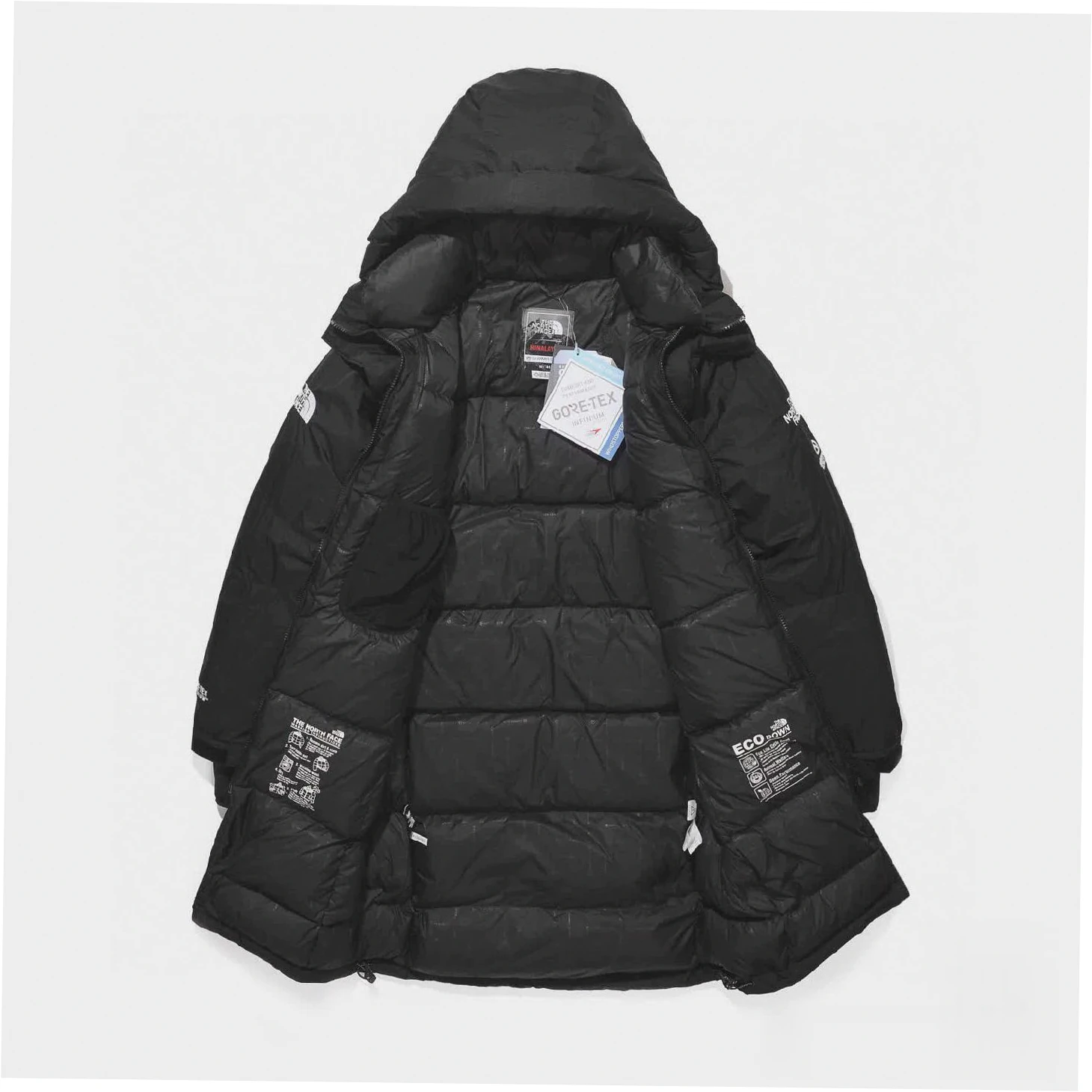
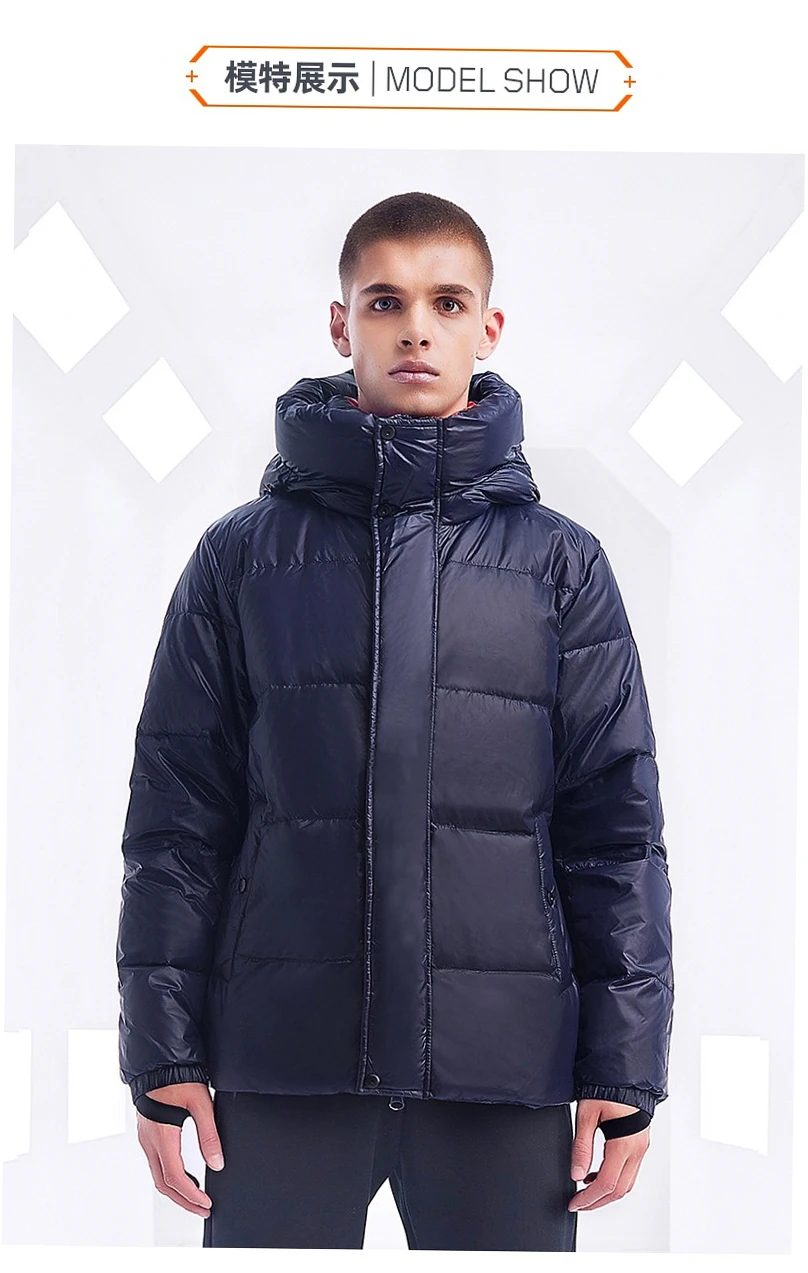
This argument never ends, and both camps are partly right. Puffers win on warmth per gram, and in a matte finish with a defined waist or a long straight silhouette they read sleek rather than swollen. Wool wins on drape. In genuinely brutal winters an unfilled wool layer alone is not enough, so the practical answer is a long puffer with a clean line instead of avoiding puff altogether.
| Point of debate | Common style claim | What real wearers report |
|---|---|---|
| Puffer coats | Puffers always look bulky | Sleek when long, matte and waist-defined; unmatched warmth per gram |
| Big scarves | A huge scarf frames the face | Great as a removable third piece, but they swallow smaller frames |
| Layer count | More layers means warmer | Two dense layers beat four thin ones; extra layers add width, not heat |
| Wide-leg trousers | Wide trousers hide everything | They need a fitted top and a straight coat, or they add volume |
| Cashmere knitwear | Cashmere is overpriced hype | Wearers call it a miracle for warmth-to-thickness, but note it is fussy in fluctuating temperatures |
Building Your Own Slim Winter Uniform
Here is how I actually get dressed on a minus-five morning, and it takes under five minutes once the pieces live in the same corner of the closet. The system matters more than any single item you can buy.
A Five-Minute Cold Morning Routine
Start with a thin thermal top and fleece-lined tights. Add a fitted fine-gauge knit tucked into high-waisted trousers. Pull on the long coat, then choose exactly one accessory — a scarf, a belt or a pair of earrings, never all three. That single-accessory rule is what keeps a winter outfit from collapsing into a pile.
Adapting This to Harsh Winters and Long Commutes
In real cold, warmth wins the tie-break, so swap the wool coat for a long puffer and keep everything underneath slim. Walking commuters should treat footwear as non-negotiable: snow boots outdoors, a lighter pair of shoes in the bag, because cold feet ruin an otherwise good outfit. Some days will be about survival rather than silhouette, and these slimming rules are heuristics, not physics — they rest on how contrast, line and drape behave in person and on camera, and individual proportions always override them.
Winter Slimming Questions, Answered
Can I look skinny in winter clothes without being cold?
Yes, and the honest version requires better fabrics rather than fewer clothes. Thin thermal base layers, fine-gauge wool and fleece-lined tights replace several mid-layers at once, so you end up warmer and narrower simultaneously. The trade-off is upfront cost: merino and responsibly sourced down simply cost more per gram than acrylic.
Do puffy coats make you look bigger than wool coats?
A short cropped puffer usually does, because it stops at the widest part of the hip. A long, matte, single-tone puffer with a defined waist often looks slimmer than an unstructured wool coat, since it holds a straight vertical line and keeps you warm enough to skip extra knitwear underneath.
Are white or cream sweaters really unflattering in winter?
In chunky gauge and stiff fiber, yes — light values expand and the fabric holds its shape away from the body. In fine merino or a fitted cream turtleneck they are perfectly workable, especially if you keep the bottom half in a darker tone so the eye has somewhere to rest.
How many layers can I wear before I look bulky?
Practically, two dense layers plus an outer coat covers most winter temperatures down to roughly minus ten. Beyond that the issue is not layer count but placement: a fourth thin layer at the neck and feet adds almost nothing visually, while a fourth layer at the waist adds real width.
Is it worth buying fleece-lined tights and thermal underwear?
For anyone in a cold climate, they are the highest-return purchase on this list. They cost little, take up no visible space and let you keep wearing the bottoms that actually flatter you. Check for OEKO-TEX Standard 100 certification if your skin is sensitive, since these garments sit against it for hours.
What shoes make your legs look longer in winter?
Anything that continues the line of your leg: knee-high and over-the-knee boots in a tone close to your trousers, or heeled sock boots. Ankle boots in a contrasting color create a horizontal break at the widest part of your calf, which shortens the visual leg even on tall frames.
Does shapewear help under winter clothes?
Occasionally, and less than people hope. Smoothing layers help under thin knits, but thick compression garments add their own ridge and get uncomfortable across a long cold day. Most of the slimming effect people credit to shapewear actually comes from well-fitted clothes in the first place.