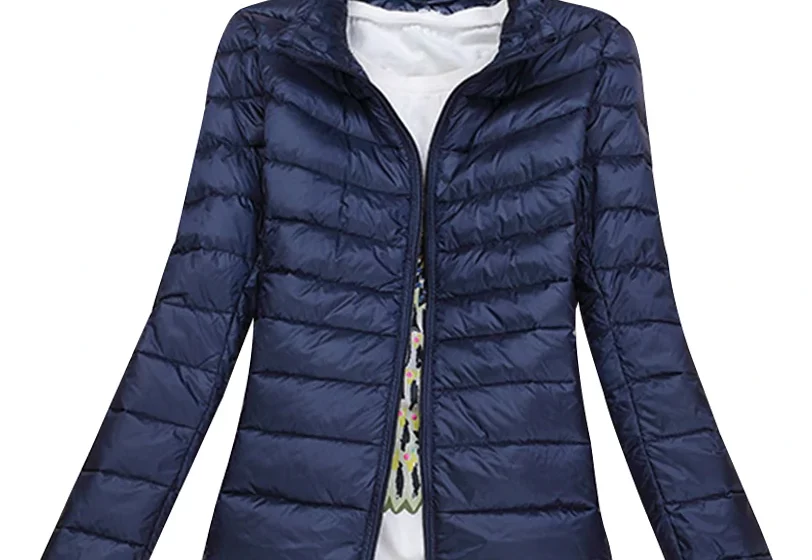

After moving from a tropical city to a place where January mornings hit 5°F, I learned the expensive way that guessing at essential clothes for cold weather wastes money fast. My conclusion: you need fewer pieces than you think, but each one has to earn its place. That realization pushed me to rebuild my closet around a complete winter capsule wardrobe instead of buying random layers every November.
Table of Content
What Counts as Essential Cold-Weather Clothes
The Three-Layer System Explained
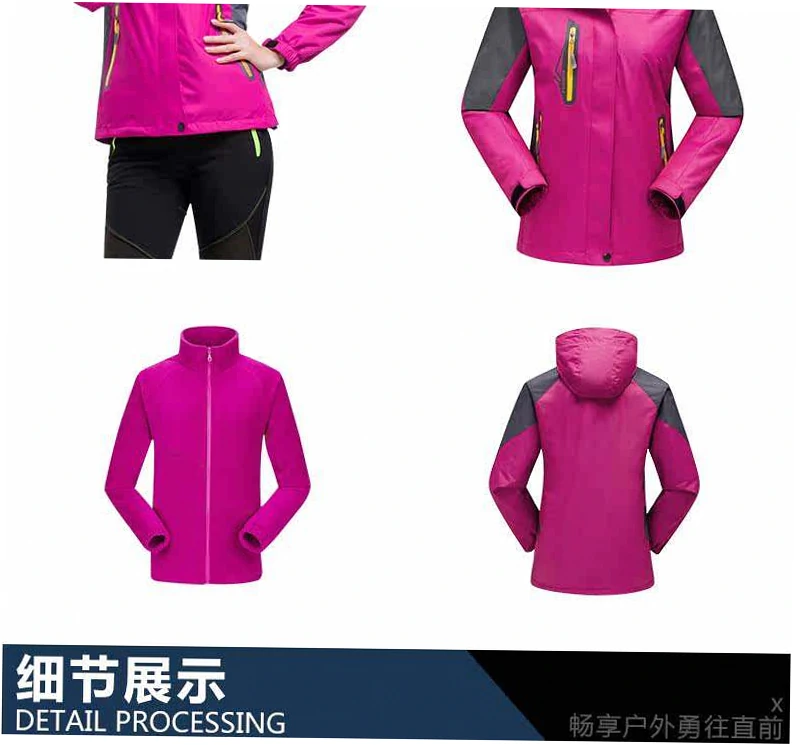
Cold-weather dressing is never about one heroic coat: it is a stack of three jobs working in sequence. A base layer manages sweat against your skin, a mid layer traps body heat, and an outer shell blocks wind, rain, and snow. Understanding this changed how I shop, and it is the same logic behind layering for extreme cold, where every layer has a distinct job rather than a random thickness.
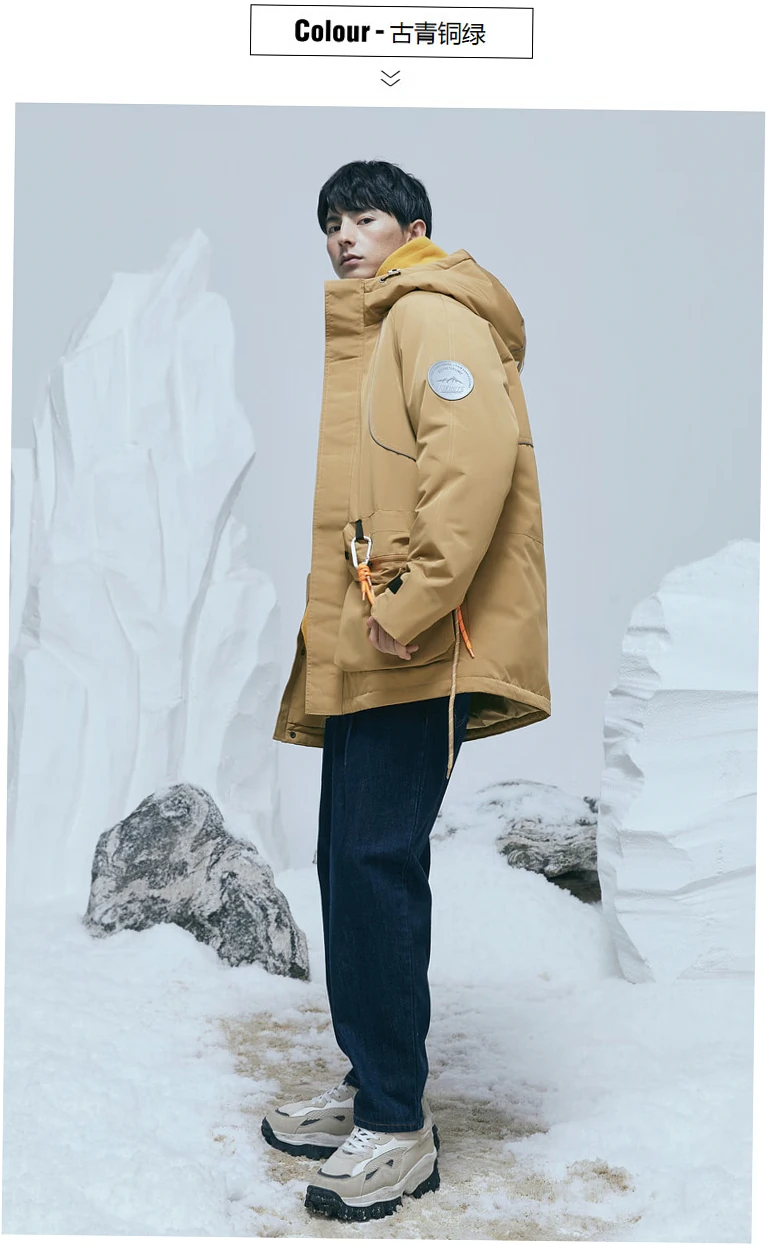
Once I stopped thinking in terms of a single warm jacket and started thinking in terms of a warm system, my winter spending dropped by half. The coat is just the outermost block of that system, and a modest shell over good base and mid layers routinely outperforms an expensive coat worn over a thin t-shirt.
Which Fabrics Actually Keep You Warm
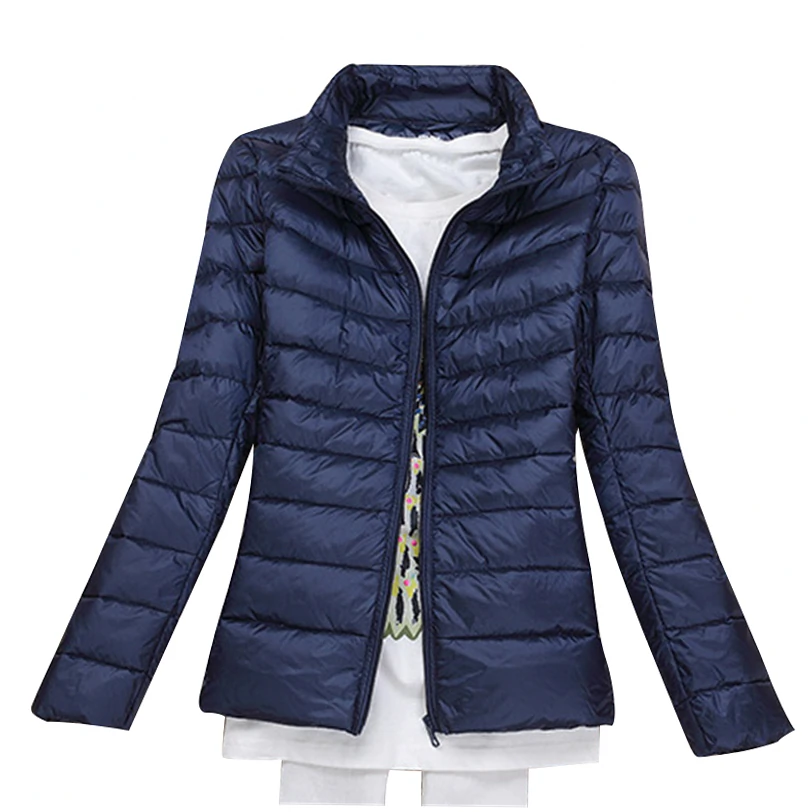
Fabric matters more than thickness: merino wool regulates temperature and keeps working when damp, while most synthetics wick sweat but trap odor. Cotton is the one true trap, because it soaks up moisture and then chills you. That is why a cotton hoodie under a shell feels worse than nothing once you start sweating. Choose wool or a technical synthetic blend for anything touching your skin.
Weight matters too. A 200-weight merino base layer suits most winter days, while 250-weight or heavier is reserved for genuine cold snaps. Fleece earns its place as a mid layer because it traps air cheaply, but it offers almost no wind resistance, so it never truly replaces a proper outer shell.
| Fabric | Warmth When Damp | Odor Resistance | Best Layer |
|---|---|---|---|
| Merino wool | High | Excellent | Base or mid |
| Synthetic polyester | Moderate | Poor | Base |
| Cotton | Very low | Poor | None in cold |
| Down | Low when wet | Not applicable | Outer or mid |
| Fleece | Moderate | Moderate | Mid |
How to Choose Base and Mid Layers
Wool Versus Synthetic Base Layers
Choosing between wool and synthetic base layers is the single biggest fork in the road. Merino keeps you warm when wet and resists odor for days, but it costs more, and a small share of people find it itchy or simply cannot tolerate it against bare skin. Synthetics dry faster and run cheaper, yet they hold onto smell.
My own compromise is unglamorous: two inexpensive synthetic sets for daily wear and one merino set reserved for the coldest mornings and multi-day trips. That mix gives me the drying speed of synthetics and the odor control of wool without paying premium prices for a full rack of merino.
Sweaters and Mid Layers Without Bulk
The skill here is adding warmth without turning into a marshmallow. Thin merino or cashmere sweaters sit flat under a coat, while chunky knits trap air but bunch at the shoulders and limit movement. The layers under a winter coat drive how warm the whole outfit feels, so I keep two mid-weight options and rotate them by forecast.
A hooded fleece, a quarter-zip pullover, and one thick wool sweater cover essentially every winter scenario I have faced, and they all fit beneath the same shell. What matters is fit, not quantity: if a mid layer is tight enough to compress the base layer beneath it, it destroys the trapped air that keeps you warm.
Which Outerwear and Boots Earn Their Cost
Down Coats Versus Wool Coats
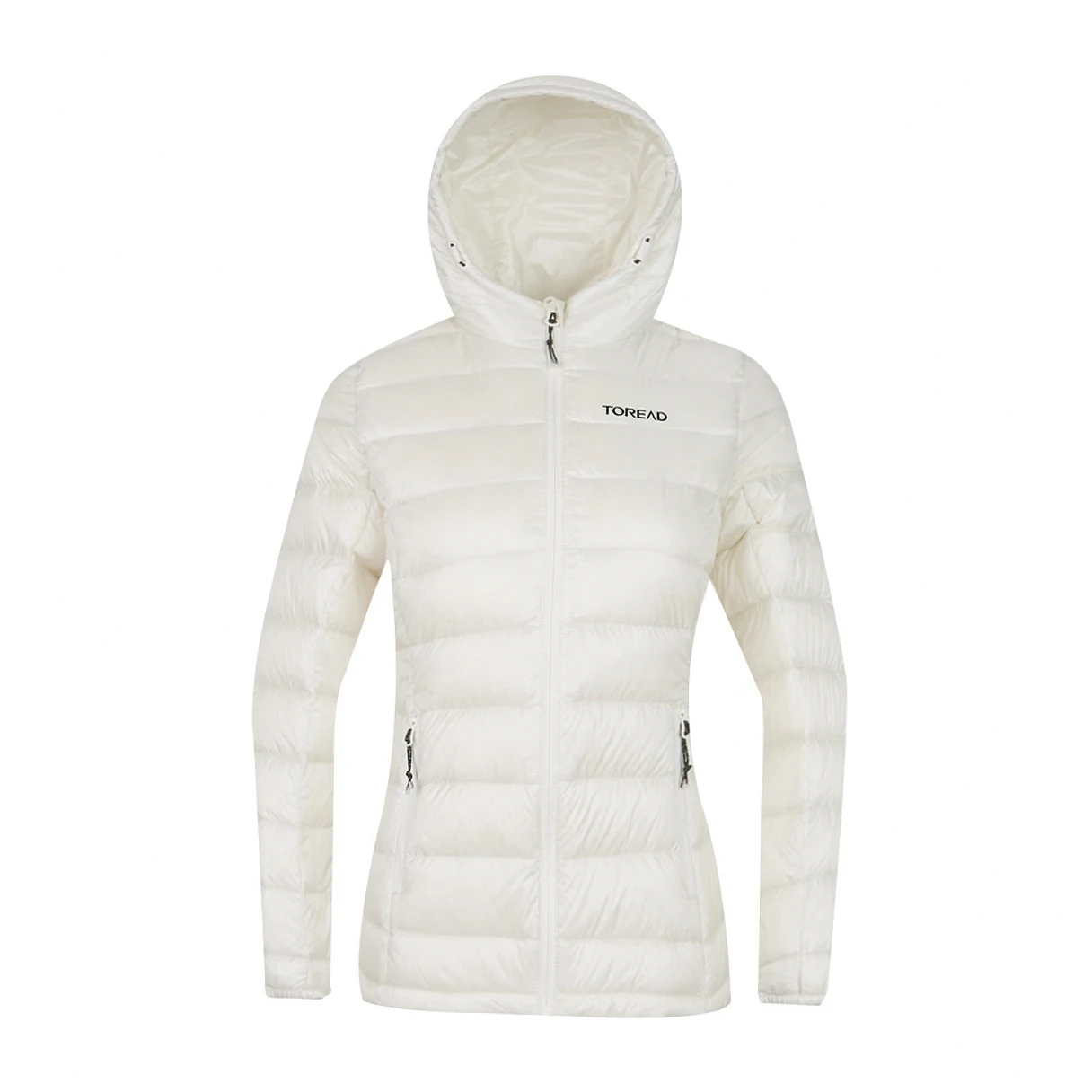
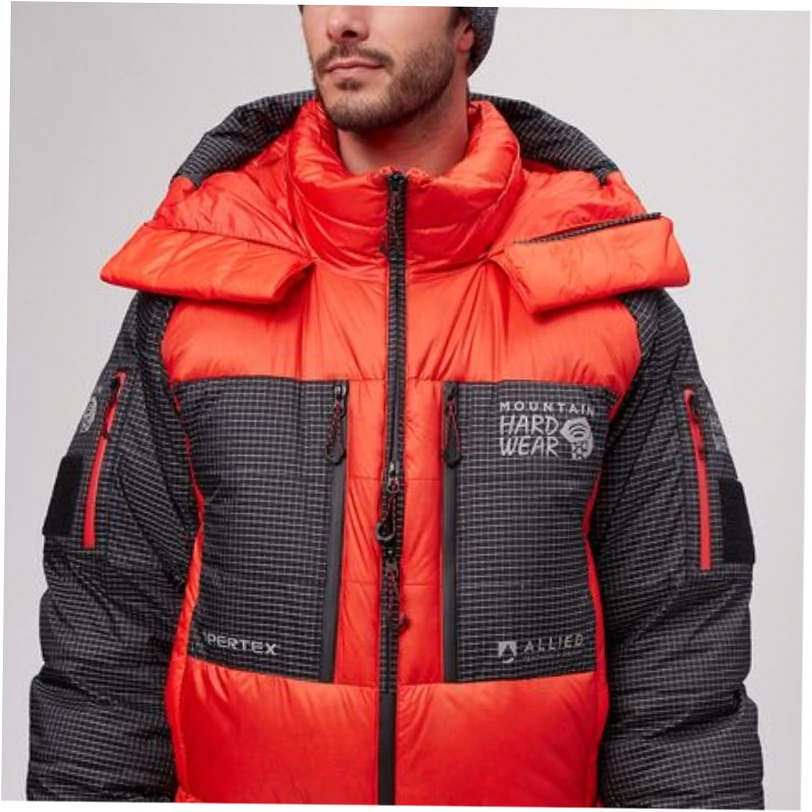
Down wins on warmth-to-weight and packs down small, but it loses most of its insulation when soaked unless it is treated or sheltered. Wool and alpaca stay warmer when damp and breathe better indoors, which is why city commuters often prefer them. If your winters bring wet snow and long walks, a waterproof shell over a down or synthetic mid layer beats any single heavy coat.
I own both, and the honest split is this: down for dry, brutal cold and long stationary stretches, wool for wet, mild winters and lots of time indoors. Buying one coat for every condition is how people end up with a closet full of jackets that each fail in a different weather pattern.
| Type | Warmth When Wet | Weight and Packability | Best For |
|---|---|---|---|
| Down | Poor unless treated | Very light, packs small | Dry extreme cold |
| Wool or alpaca | Good | Heavy, bulky | Wet mild winters |
| Synthetic fill | Good | Light, bulky | Wet extreme cold |
| Fleece plus shell | Moderate | Light | Active commuting |
Boots, Socks, and Waterproofing
Footwear is where most people underinvest and then suffer all season. Waterproof boots with real grip and a calf-high shaft handle slush and urban snow far better than thin fashion boots, and thick wool socks rescue any pair that runs light. I clean and re-waterproof my boots twice each winter now, because road salt quietly destroys cheap uppers before the soles ever wear out.
Sock weight deserves more attention than it usually gets. Merino socks keep insulating when damp, whereas cotton socks hold moisture and make your feet feel cold even inside good boots. A single pair of mid-weight merino socks typically beats layering two thin cotton pairs, and it avoids the tight fit that restricts circulation.
Cold-Weather Risks, Mistakes, and Hidden Costs
Accessories People Consistently Forget
Hands, ears, and necks lose comfort faster than your torso, yet they are usually the last things anyone buys. Insulated mittens outperform gloves below freezing because fingers share warmth, a wool scarf stops wind from funneling down your collar, and a beanie or ear muffs prevents the headache that cold wind triggers. These small pieces often matter more than upgrading the coat itself.
I learned this on a six-block walk at -12°F when my expensive parka kept my core toasty but my hands went numb in five minutes. Cheap liner gloves under mittens solved it for under twenty dollars, which is far less than the cost of replacing a perfectly good coat.
Common Mistakes That Keep You Cold
Overdressing is a genuine trap: if you feel toasty the moment you step outside, you will sweat and then freeze the moment you slow down. Wearing cotton base layers, skipping waterproofing, and buying one overly thick coat instead of building layers are the three errors I see most often, and the ones I made for two full winters. Fix the layers first, then spend on the shell.
Another quiet mistake is ignoring wind. A calm five-degree day and a windy five-degree day feel nothing alike, and a thin windproof shell transforms the second one. Chasing warmth numbers alone, without checking wind and moisture, is how people buy gear that fails exactly when they need it most.
The Hidden Financial Trap
Full thermal sets and premium parkas look like the obvious first buys, but they are often the worst value for a single season. Merino tank tops, thin tights under jeans, and one genuinely good pair of gloves stretch a smaller budget much further. Buying winter gear during late-spring clearance is the quiet hack almost nobody mentions until they have already paid full price in December.
| Common Claim | What Regular Cold-Weather Wearers Report |
|---|---|
| A heavy parka is the most important purchase | Layers and accessories often matter more than coat price |
| Wool is always the best base layer | Excellent for most, but some cannot tolerate it on bare skin |
| Full thermal sets are essential | Thin merino tanks and tights deliver similar warmth for less |
| Premium brands guarantee warmth | Mid-priced coats layered well perform comparably |
| Expensive boots last for years | Road salt degrades cheap uppers fast without regular care |
| More layers always means more warmth | Overdressing causes sweating, which makes you colder |
How to Match Essentials to Your Climate
City Commuters Versus Extreme Cold
Commuting in a mild, wet city calls for breathable mid layers, a water-resistant shell, and boots that survive rain and road salt. Genuine extreme cold, that minus-twenty kind, demands a down parka, insulated mittens, wool everything, and snow pants for the worst days. Match your kit to the real forecast, not to an aspirational Arctic expedition you will realistically never take.
The tricky part is that cold buildings are their own climate. Poorly heated interiors in Michigan or the Netherlands can feel colder than a properly layered walk outdoors, so indoor-friendly pieces such as thin sweaters, slippers, and a warm robe belong on the list even though they never see a snowstorm.
A Realistic Beginner Shopping Path
Start with the three layers, then cover the extremities: a wool or synthetic base set, one mid-weight sweater, a windproof shell, waterproof boots, merino socks, insulated gloves, and a hat. That combination handles most winters from Madrid to Michigan. Only after living through a full season should you decide whether a down parka or premium accessories are worth the extra spend.
If your budget is tight, prioritize in this order: boots, socks, gloves and hat, base layer, then the coat. Feet and hands are where cold turns painful fastest, and they are also the cheapest problems to solve well. A mediocre coat over excellent base layers will keep you far warmer than the reverse.
| Scenario | Must-Have Pieces | Optional Upgrades |
|---|---|---|
| Mild wet city (4-8°C) | Water-resistant shell, breathable mid layer, waterproof boots | Down parka |
| Cold dry winter (-5 to -15°C) | Wool base, mid sweater, insulated coat | Snow pants |
| Extreme cold (below -20°C) | Down parka, mittens, wool everything | Heated gloves |
| Active commuting or biking | Windproof shell, thin layers, mittens | Long parka |
What I Would Buy Again Tomorrow
If I had to replace my entire cold-weather closet tonight, I would buy the boring essentials first and skip the trendy pieces entirely. Merino base layers, wool socks, waterproof boots, insulated mittens, and one shell that blocks wind carry roughly ninety percent of the load. Everything else is personal preference dressed up as necessity, and you can add it slowly as your routine reveals genuine gaps.
The point of a focused winter closet is not deprivation; it is knowing that every piece you own will actually work when the temperature drops. Buy fewer, better essentials, test them in real weather, and let your own routine, not a marketing list, decide what comes next.
Common Questions About Cold-Weather Clothing
Do I really need wool, or are cheaper synthetics enough?
For most people, synthetic base layers are perfectly adequate and far cheaper. Wool’s real advantages are odor resistance and warmth when damp, which matter most on multi-day trips or if you sweat heavily. If wool itches or costs too much, a polyester base layer plus merino socks covers nearly the same ground.
How many layers should I actually wear in freezing weather?
Three functional layers handle most conditions: a moisture-managing base, an insulating mid, and a windproof or waterproof shell. Below roughly -10°C, add a second thin mid layer or switch to a heavier one. The goal is adjustable warmth, so you can open a zipper or remove a layer before you start sweating.
Is a down coat worth the money if I only face a few cold weeks?
Usually not, unless those weeks are genuinely extreme or you spend long stretches outdoors. A mid-weight insulated coat plus good layers covers short cold snaps for less money. Down earns its price in dry, severe cold and when packability matters, such as travel or long winter commutes.
What is the biggest mistake people make buying winter clothes?
Buying one expensive hero coat and neglecting everything else. The coat only handles the outer job; if your base layer is cotton and your hands, ears, and feet are unprotected, you will still be miserable. Spending across layers and accessories beats spending everything on a single jacket.
Can I stay warm without spending hundreds on a parka?
Yes. Budget base layers, a fleece mid layer, a windproof shell, wool socks, and decent gloves can keep you comfortable through most ordinary winters. The limiting factor is usually fit and wind protection, not price. Upgrade only the pieces that repeatedly fail you in real weather.
Why do my feet still feel cold in thick socks?
Cold feet usually come from moisture, tight boots, or poor insulation underfoot, not from sock thickness alone. Cotton socks trap sweat, and boots laced too tightly restrict circulation. Merino socks plus a slightly roomier boot and a waterproof exterior solve most cold-feet complaints.
Do cold indoor spaces change what I should buy?
They often do. Poorly heated homes and offices mean you need warm indoor pieces such as thin sweaters, wool socks, slippers, and a robe, not just outdoor gear. Many people over-invest in a parka and then shiver indoors because they never planned for genuinely cold rooms.