

Every October someone asks me how many winter coats do I need, so here is the short version: two is the floor, three is where most people actually land, and four only makes sense when your winters are long and your coats genuinely do different jobs. Anything beyond four needs a justification you can say out loud, and it should fit inside a winter capsule wardrobe instead of sprawling across a closet you avoid every morning.
Table of Content
I have watched people buy a fifth puffer coat because a fourth felt lonely, and I have watched people shiver in a single thin shell through a genuine cold snap. The number matters less than the logic behind it, so let us build that logic properly, using the temperature you actually live in rather than the one in a product photograph.
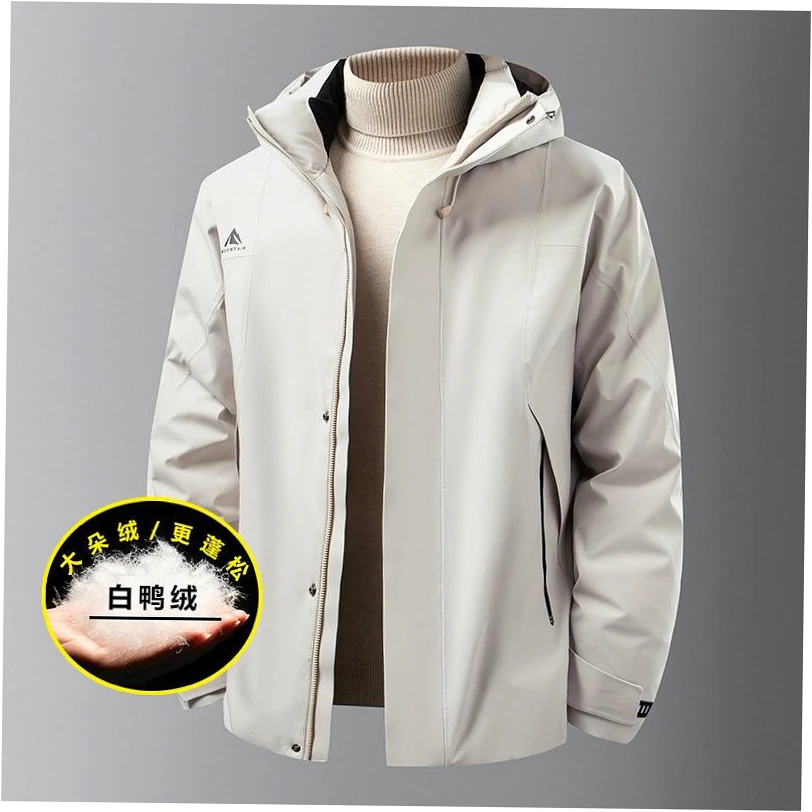
How Many Winter Coats Do You Need?
The Honest Baseline: Two to Four
Two coats is the functional floor, not a minimalist stunt: your everyday coat needs a backup for the week it gets soaked, smells faintly of wet wool, or disappears into a zipper repair. Real winter rarely cooperates with one hanger, and people who walk dogs or shovel driveways learn this the hard way, usually mid-storm.
The count then scales with the temperature spread you actually live in, not with how many months the calendar calls winter. If your cold season runs from a damp 5°C to a biting -25°C, one coat cannot cover both ends comfortably, and forcing it means sweating through October or shivering through January.
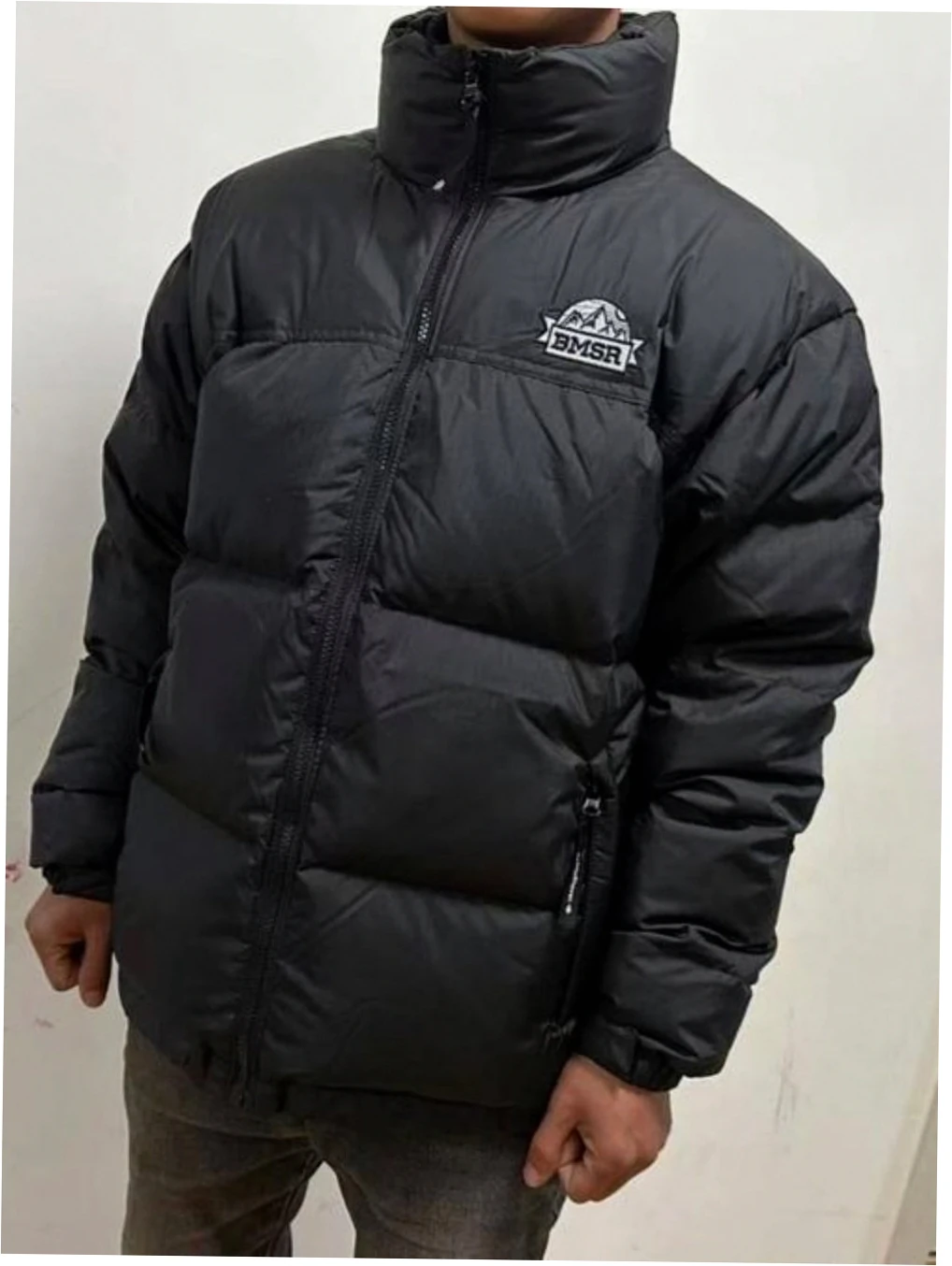
Why One Coat Fails in Real Winters
A single heavy parka absorbs every single use: commuting, errands, snow play, and that gritty evening dog walk. It stays damp longer than you expect, the insulation slowly compresses, and the shell abrades at the shoulders first. Rotating between two coats roughly halves the annual wear on each, which quietly doubles the seasons you get out of them.

Climate, Commute, and Coat Count
A mild coastal winter and a prairie winter are different sports entirely. Where the coldest week hovers near freezing, two coats cover nearly everything: a rain-ready shell and a warm mid-weight layer. Where -20°C is routine, the working number climbs to three, because a long parka, a shorter puffer, and a smart wool coat solve three genuinely different problems.
| Winter profile | Coldest week | Coats that work | Why it works |
|---|---|---|---|
| Mild coastal | 0°C to 5°C | 2 | Waterproof shell plus a warm mid-layer handles rain and chill |
| Typical continental | -8°C to -12°C | 3 | Daily parka, shorter puffer, wool coat for smarter days |
| Severe inland cold | -20°C or colder | 3 to 4 | Long down parka, activity shell, one backup, one formal coat |
| Car-free city commuter | Varies | 3 | Long coat for waiting outdoors, short coat for transit and driving |
| Active outdoor winter | Varies | 4 | Sweat, wet snow and abrasion need their own dedicated shell |
Which Winter Coats Earn Their Closet Space?
The Daily Driver Parka
One coat should do the heavy lifting, and it deserves the best fit and the largest share of your budget, because you will wear it more than everything else combined. Look for a hood that stays up in crosswind, cuffs that actually seal, and enough room across the shoulders to move freely.
A coat you secretly avoid because it feels stiff, short, or tight is a coat you have already wasted money on. That is the quiet test every wardrobe should pass: if you hesitate at the door, the coat has failed, no matter how well it photographed in the shop.

The Long Coat vs Short Coat Debate
Length is not vanity, it is thermal math. Knee-length coverage protects the thighs and hips, which is exactly where wind chill does its worst work while you stand at a bus stop or watch a kid’s hockey practice. Short puffers win for driving, cycling, and any day you keep moving and generate your own heat.
Fit matters as much as length, especially if you plan to layer. A coat that barely closes over a thin sweater will fight you all winter, so test every candidate over your thickest knit and get clear on layering under a winter coat before you reach the register. Room to move beats a sharp silhouette on the coldest mornings.
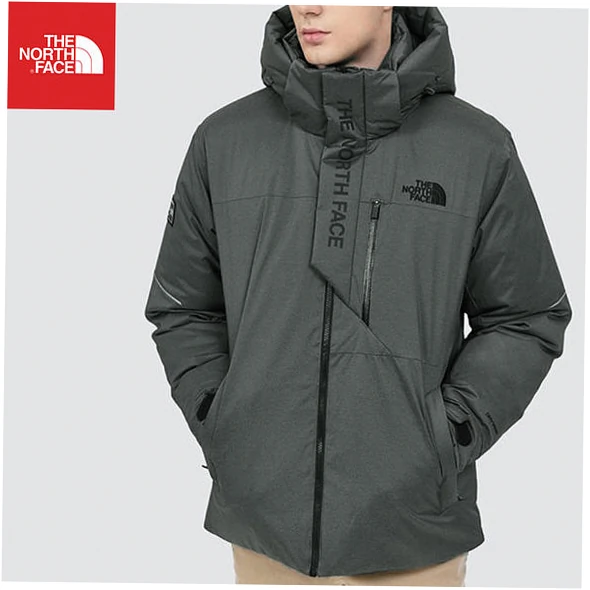
Activity Coats: Worth the Extra Hanger?
Activity coats are the honest reason coat counts balloon in the first place. Skiing, running, cycling, and long wet dog walks each demand a shell that breathes, sheds water, and survives abrasion, and a wool overcoat simply cannot do that job. If you do those things weekly, one dedicated shell costs less than replacing a good everyday coat twice.
Why Does Your Coat Count Keep Growing?
Activity Creep and Social Pressure
Coats multiply quietly. A wedding coat, a hiking shell, a reflective walking jacket, then a second smart coat in a different colour, and suddenly the rail holds nine things you insist are all necessary. Most of that growth is real function mixed with fashion momentum, and separating the two is the only honest way to judge whether you own too many.
The Backup Rule Nobody Follows
Practical owners in serious cold climates tend to keep exactly one spare that matches the same weather as their main coat. That spare rarely looks exciting, and that is the entire point: it exists for the week your primary coat is drying, being repaired, or simply unbearable to look at. Skipping the spare is the most common wet-climate wardrobe mistake.
When Coats Become Clutter
A coat becomes clutter the moment you stop reaching for it. Coats you skip because the sleeves are tight, the pale shell stains instantly, or the fabric rustles loudly with every step are not backups, they are storage. Owners who trimmed from seven or eight coats down to three rarely report regret, because rotation rather than quantity keeps coats looking new.
| Common claim | What owners actually experience | Practical takeaway |
|---|---|---|
| One coat handles the whole winter | People in genuinely cold regions report staying home on the worst days, and having nothing dry to wear after a soaking | Treat two as your real minimum |
| Rated to -30°C | Warmth depends on what is underneath and whether you are standing still; the same coat feels fine walking and freezing at a bus stop | Judge coats against your coldest stationary activity |
| Wool coats count as winter coats | Many owners file peacoats and trenches under autumn, then forget to count them at all in January | Count only what you reach for in real cold |
| Quality lasts a decade | Well-kept down parkas often survive five to ten years or more, but fit drift and weight change retire coats early | Budget for fit change, not just abrasion |
| More coats means more choice | Owners with fifteen or more often describe picking a coat as stressful rather than fun | Cap the count where every coat gets worn |
What Mistakes Should You Avoid Before Buying?
Buying Too Warm, Too Soon
Overbuying warmth is the most expensive error in this whole category. People buy the -30°C expedition parka in September enthusiasm, then overheat on a 2°C commute, sweat straight through their base layers, and arrive damp and cold anyway. Match the coat to the coldest weather you actually walk in, not the coldest headline you have read about.
Fabric Noise, Fit Drift, and White Coats
Small annoyances retire coats faster than actual wear does. Crinkly shells that announce every step, linings that snag on knitwear, and pale colours that record every coffee spill all shorten a coat’s working life in practice. Weight fluctuation is the other quiet killer, which is why a slightly relaxed cut outlasts a tailored one you cannot layer under.
The In-Between Season Gap
Most people own a heavy coat and a featherweight jacket, then shiver through the six weeks between them. That gap is exactly where a mid-weight layer earns its hanger, and it is usually the cheapest addition you can make. Skipping it forces you into either your heaviest coat or nothing at all, which is how wardrobe frustration quietly begins.
| Risk | Warning sign | Fix before you pay |
|---|---|---|
| Overheating | You sweat on a ten-minute walk | Choose lighter fill, look for pit zips and vents |
| No backup layer | One coat and a wet forecast | Add one weather-matched spare |
| Layering failure | Coat barely closes over a sweater | Size for your thickest knit, not your thinnest |
| Maintenance burden | Dry-clean-only wool shell you wear daily | Prefer washable or spot-cleanable shells |
| Fast churn | Seams and baffles fraying by season two | Inspect stitching, zippers, and down proofing |
| Colour regret | Pale shell paired with a daily commute | Pick a mid-tone or dark outer fabric |
How to Build a Winter Coat Rotation
Start With Your Coldest Week
Write down the temperatures you genuinely lived through last winter and the activities you did outdoors. That list, not a brand’s colour-coded comfort chart, tells you how many winter coats you need. If your coldest week sat at -8°C and you commuted on foot, three coats is generous; at -25°C, three is simply honest.
Test Before You Add
Before buying a fourth coat, wear your current three for two weeks and note which one you keep avoiding. Avoided coats reveal the real gap: wrong length, wrong warmth, or wrong fit. Buy for that gap only. This single habit stops most people from accumulating a closet of near-duplicates that all fail in exactly the same weather.
Retire, Repair, or Resell
Give every coat an annual verdict. Repair zippers, re-waterproof shells with PFAS-free treatments, and replace compressed down before it stops lofting. Retire the rest honestly, because resale and donation keep good technical fabric in circulation, and responsibly sourced down, recycled fills, and bluesign-certified mills make each replacement easier to defend. Durability is still the cheapest sustainability there is.
Run that audit once a year, just before the first cold snap, and the question stops nagging you. Go further by mapping your coats and your base layers as one system, so the outer shell you buy next actually works with the knitwear you already own and love.
Frequently Asked Winter Coat Questions
Is two winter coats enough for a real winter?
For most temperate winters, yes. Two gives you a daily coat plus a weather-matched backup for the week one is soaked or under repair. Where temperatures routinely drop below -15°C, or where you stand outdoors for long stretches, three works better, because no single coat is both light enough for moving and warm enough for waiting.
Do I really need a separate coat for dog walking or skiing?
Only if you do it weekly. Activity shells exist to handle sweat, wet snow, and abrasion, and those three things destroy wool and fashion puffers surprisingly fast. If you are outdoors in bad weather several times a week, one breathable dedicated shell usually costs less over five years than replacing a good everyday coat twice.
How long should a quality winter coat last?
With rotation and basic care, a decent down or synthetic parka often holds up for five to ten years, and structured wool coats can last considerably longer. Longevity depends more on how often you wear a coat than on its price tag, since rotating two coats halves the wear on each, while clean, dry off-season storage prevents most avoidable damage.
Does a wool peacoat count toward my winter coat number?
Count it only if you genuinely wear it in cold weather. Many owners mentally file peacoats and trenches under autumn, then struggle to remember they exist during a January freeze. If your wool coat is your warmest formal option and you wear it to work all winter, it absolutely counts as one of your three or four.
Is owning ten winter coats wasteful?
Not automatically, but it is usually accidental. Owners of large collections often describe choosing a coat as stressful rather than enjoyable, and many report trimming down to three or four with no regret at all. The honest test is wear: if a coat has not left your closet in two winters, it is storage rather than wardrobe.
Should I buy a longer coat or a warmer one?
Length is often more effective than extra fill. Knee-length coverage protects the thighs and hips where wind chill hits hardest while you stand still, while a short puffer with identical insulation keeps you warm and clammy when you are moving. Choose length for the standing part of your day, and fill for the actual temperature.
How much should I spend on each winter coat?
Think cost per wear instead of sticker price. A 400-dollar parka worn a hundred days a year for eight years works out near fifty cents a day, which beats a 120-dollar coat replaced every second winter. Spend most on the coat you wear daily, and buy backups, formal coats, and activity shells at a lower tier.