
I’ll be honest: deciding what boots to wear with a long coat comes down to three variables—silhouette, weather, and color contrast—and once those are right, almost any well-made pair can work. A long coat already dominates the outfit, so your boots either anchor it or fight it. For the bigger framework, my long winter coat styling guide covers proportion, color, and layering in detail. The short answer: choose a boot that matches the coat’s visual weight, handles your actual winter conditions, and repeats at least one color from your outfit.
Table of Content
What Boots Work With Long Coats?
Start With the Coat’s Visual Weight
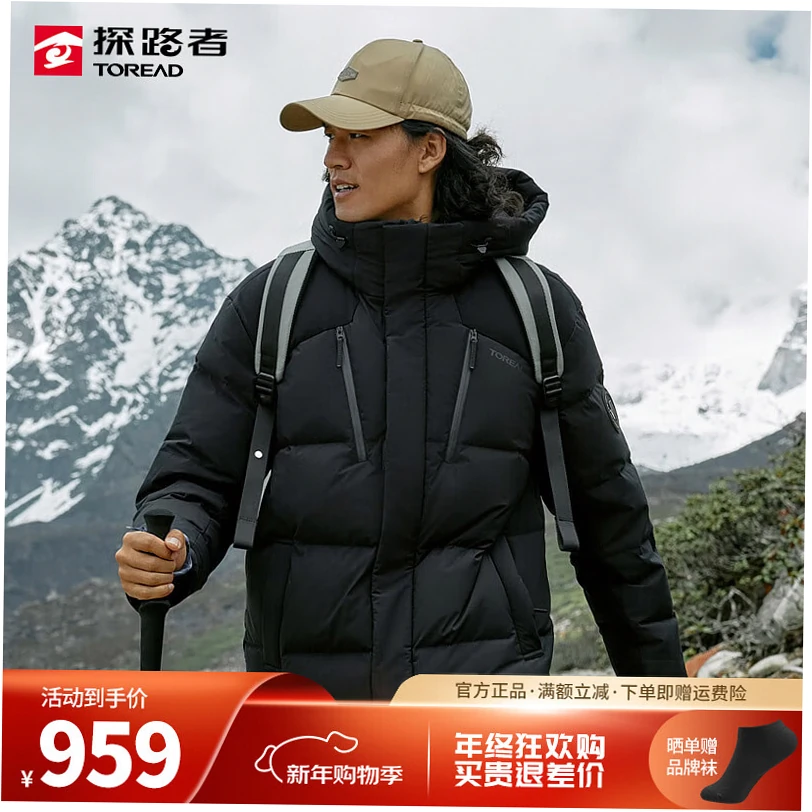
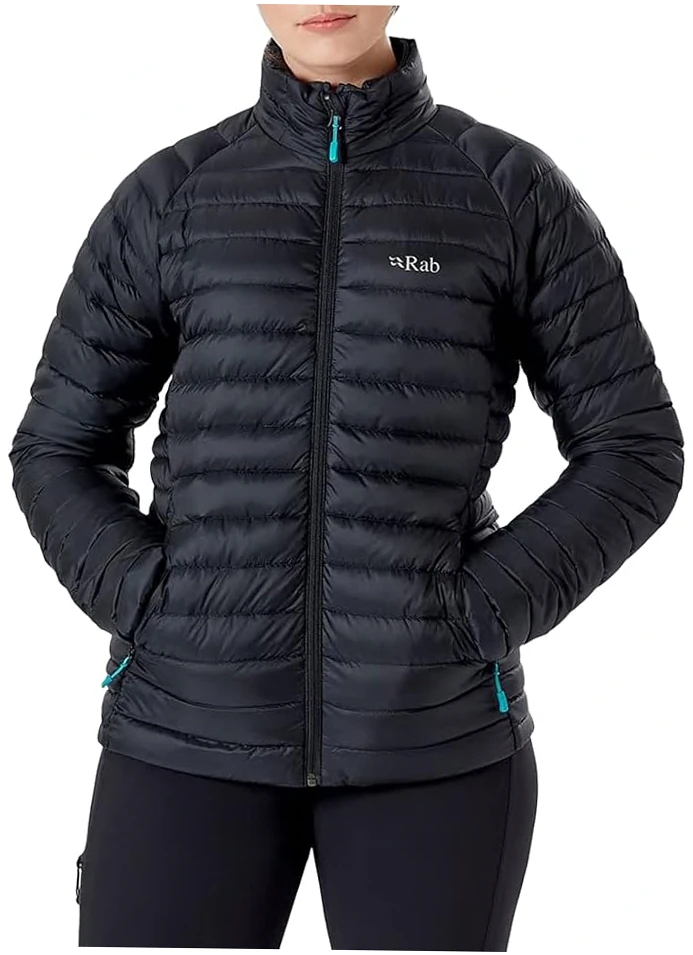
A long coat’s visual weight depends on fabric, cut, and color. A plush shearling or heavy wool coat needs a boot with some substance, like a lug-sole Chelsea or combat boot. A sleek trench or tailored overcoat pairs better with a refined ankle boot or knee-high leather boot. If the coat is voluminous, skinny stilettos can look unstable; if the coat is sharp, clunky snow boots can look accidental.
Match Boot Height to Hem Length
Boot height changes the leg line. With a calf-length coat, an ankle boot creates a clean gap; a knee-high boot continues the line and adds warmth. With a maxi coat, almost any height works, though a shaft that hits exactly at the hem can look choppy. With a mid-thigh coat, knee-high boots often balance the exposed leg best.
Let Weather Decide the Sole
Winter conditions should override aesthetics. On ice, a deep rubber lug sole beats leather or smooth synthetic. In slush, waterproof uppers and sealed seams matter more than color. In dry cold, insulated leather or suede works if you protect it. I treat traction as non-negotiable because a beautiful boot you fear walking in will stay in the closet.
| Boot Style | Best Coat Length | Ideal Weather | Styling Note | Watch-Out |
|---|---|---|---|---|
| Ankle Chelsea | Knee-length to maxi | Dry cold, light rain | Sleek and versatile with trousers or jeans | Can feel cold without insulation |
| Combat or hiking | Mid-thigh to maxi | Snow, ice, slush | Adds edge and grip | Bulk can overwhelm slim coats |
| Knee-high riding | Midi to maxi | Dry cold | Creates a long, elegant line | Shaft fit must be precise |
| Snow or parka boot | Long puffer or parka | Deep snow, extreme cold | Function-first and warm | Too casual for tailored wool |
| Shearling-lined boot | Any long coat | Cold dry days | Warmth without heavy socks | Can overheat indoors |
Best Boot Styles for Long Coats
Chelsea Boots for Clean Everyday Wear
Chelsea boots are the default because they are sleek, easy to pull on, and versatile enough for jeans, tailored trousers, or dresses. Leather Chelseas work with wool coats, trench coats, and peacoats; suede versions soften a leather jacket or camel coat. If you’re sorting out the lower half, the best pants for winter jackets guide can help you avoid a bunched, awkward break over the boot shaft.

Combat and Hiking Boots for Grip and Edge
Combat and hiking boots add toughness that balances a long, dressy coat. A black lace-up combat boot with a lug sole looks intentional under a tailored wool coat, while a brown hiking boot feels more casual under a puffer or parka. The risk is bulk: if the coat is very slim, a heavy boot can make your feet look oversized, so keep the pants narrow or tuck them cleanly.
Knee-High and Riding Boots for Elegance
Knee-high leather or suede boots create a long, continuous line under a midi or maxi coat. They are especially effective with skirts, dresses, and tailored trousers because they reduce exposed skin and cold drafts. Choose a shaft that follows your calf without pinching, and avoid a gap so wide it swallows your leg. Flat riding boots feel classic; block heels add formality.
Which Boot Color Matches a Long Coat?
Black vs Brown Boots
Black boots are the more versatile investment because they work with black, grey, navy, cream, camel, and most bright coats. Brown boots can look richer with camel, olive, rust, and cream, but they can feel limiting if you own mostly black outerwear. Contrast matters more than matching: black with cream is crisp; black with light cognac is deliberate; black with dark chocolate can muddy together.
Cream, Tan, and Camel Pairings
Cream or tan boots soften a dark long coat and look especially good with camel, cream, grey, and navy. They can visually extend the leg when worn with similar tights or trousers, but they show salt and slush quickly. If you want one pair to do everything, choose a mid-tone that bridges your coat and bag rather than a stark white that needs constant cleaning.
Metallics and Unexpected Colors
Metallics, red, burgundy, or olive boots can be a deliberate accent, but they need a quieter outfit to work. Let the boot be the only loud element, or repeat the color in a scarf, bag, or hat. With a patterned coat, solid boots are safer. With a plain coat, a colored boot can add personality without much risk.
| Choice | Common Rule | Real-World Experience | Best For |
|---|---|---|---|
| Black boots | Less versatile with brown coats | Wearers find black works with cream, camel, grey, navy, and black coats, though contrast should be obvious | Minimal wardrobes and urban slush |
| Brown boots | Warmer and easier with earth tones | Wearers love cognac or tan with camel and olive, but dark chocolate can blur into black coats | Earth-tone coats and casual outfits |
| Black with cream | Classic contrast | Repeatedly described as crisp and easy to repeat across sweaters, tights, and bags | High-contrast winter looks |
| Matching bag and boots | Polished and intentional | Wearers say exact matching is optional; repeated color families look more modern than literal sets | Simple, edited wardrobes |
How to Style Boots With Long Coats
Balance Bulk With Proportion
A long coat plus heavy boots can overwhelm a small frame, so control volume somewhere. If the boots are chunky, keep pants slim or tuck them; if the coat is oversize, choose a cleaner boot and a defined waist. If the boots are sleek, you can add a chunky scarf or sweater. The goal is one focal point, not three competing ones.
Layer Socks and Warmth Wisely
Warmth starts at the foot, but too many thick socks can make boots tight and cut circulation. Choose one merino or thermal sock, then size the boot with that sock. If you need more insulation, look for fleece or shearling lining. The warm layers under a coat approach applies here: insulate close to the body, then let the coat block wind.
Tuck, Roll, or Leave Pant Ends
How pants meet boots changes the entire silhouette. Skinny jeans tuck cleanly into tall or combat boots; straight-leg trousers can break once over an ankle boot; wide-leg pants may need a heel to avoid dragging. If you roll cuffs, keep the roll narrow and intentional. The wrong break can make even expensive boots look sloppy.
| Mistake | Why It Fails | Better Move |
|---|---|---|
| Costume-like proportions | Every piece is dramatic | Keep one hero item and simplify the rest |
| Wrong sole for ice | Polished leather slips | Choose rubber lugs or add traction grips |
| Color lock-in | Boots only match one coat | Pick a neutral that repeats in your closet |
| Sock overstuffing | Tight boots reduce warmth | Use one technical sock and proper fit |
| Untested hem break | Pants bunch or drag | Try the full outfit before buying |
How to Build a Winter Boot Rotation
Choose One Versatile Pair First
Start with the pair that works for at least 70 percent of your winter outfits. For most people, that is a black or dark brown leather Chelsea with a grippy sole. It handles work, dinners, and dry cold. Then add a weatherproof snow or hiking boot for storms. A third pair can be knee-high, cream, or colored for variety, but only after the basics are covered.
Test the Outfit Before You Commit
Before buying, wear the boots with your longest coat, your most common pants, and the socks you actually use. Walk on a hard floor, then outside if possible. Check heel slip, toe room, shaft width, and whether the boot catches the hem. A return policy matters, but a five-minute test prevents most regret. If the boot only works with one outfit, keep looking.
Maintain Leather and Suede for Winter
Salt and moisture destroy winter boots faster than normal wear. Wipe salt off with a damp cloth, condition leather, and brush suede after exposure. Waterproofing sprays help but need reapplication. Rotate pairs so they dry fully between wears, and use cedar trees to absorb moisture. Good maintenance makes a mid-priced boot outperform a neglected luxury pair over multiple seasons.
What People Still Ask About Boots and Long Coats
Should I wear ankle boots or knee-high boots with a long wool coat?
Ankle boots look cleaner with a midi or maxi coat if you want a modern, casual line, especially with straight-leg pants. Knee-high boots add warmth and elegance, and they work better with skirts, dresses, and very cold days. If your coat is heavy and long, knee-high boots often balance the volume better. If your coat is light and tailored, ankle boots keep the look sharper.
Can I wear black boots with a brown or camel long coat?
Yes, especially if the brown is light cognac, tan, or camel rather than dark chocolate. Black boots with a camel coat create strong contrast, and the combination feels deliberate when you repeat black in a bag, belt, or scarf. Avoid pairing black boots with a dark brown coat that looks almost black, because the two colors can blur into a muddy mass.
Are snow boots too casual for a tailored long coat?
They can be, but the fix is proportion and styling. A slim, dark snow boot with a low profile works better under a tailored coat than a bulky neon pair. Keep the rest of the outfit clean, tuck or roll pants neatly, and choose a boot with minimal branding. For heavy storms, function should win, but you can still avoid looking like you borrowed gear from a ski lodge.
Do I need fur-lined boots, or are thick socks enough?
Fur or fleece lining adds warmth without bulk, but it is not mandatory. A well-fitting boot with one merino or thermal sock can handle most urban winters. If you stand outside for long periods, run cold easily, or face below-freezing wind, lining helps. Real or faux fur works similarly as long as it does not make the boot too tight. Tight boots are colder than roomy ones.
What sole is safest for icy sidewalks when wearing a long coat?
Look for deep rubber lugs with soft, grippy compounds. Smooth leather, hard plastic, and worn-down treads are risky on ice. A long coat can hide your feet and change your center of gravity, so traction matters more than style. If your favorite boots have smooth soles, add removable traction cleats or have a cobbler install a rubber grip. Test them on wet tile before trusting them.
How many pairs of winter boots do I actually need?
Most people can cover winter with two to three pairs. One versatile leather Chelsea or ankle boot handles dry cold and indoor settings. One weatherproof snow or hiking boot handles storms and ice. A third pair, like knee-high or shearling-lined, adds warmth or elegance for specific outfits. If you live in a mild climate, one good pair plus one storm pair may be enough.
How do I stop a long coat and tall boots from looking like a costume?
Reduce the number of dramatic elements. If the boots are tall and shiny, keep the coat matte and simple. If the coat has a bold pattern, choose plain boots. Avoid wearing a hat, scarf, bag, and gloves that all compete for attention. The most convincing outfits repeat one or two colors and let texture do the work. Fit matters too: a shaft that pinches or a coat that swallows you reads as costume.

[…] while a maxi coat can carry chunky lug soles or a taller shaft without swallowing your feet. Good boots for a long coat either preserve a deliberate gap at the hem or eliminate it […]